Gardening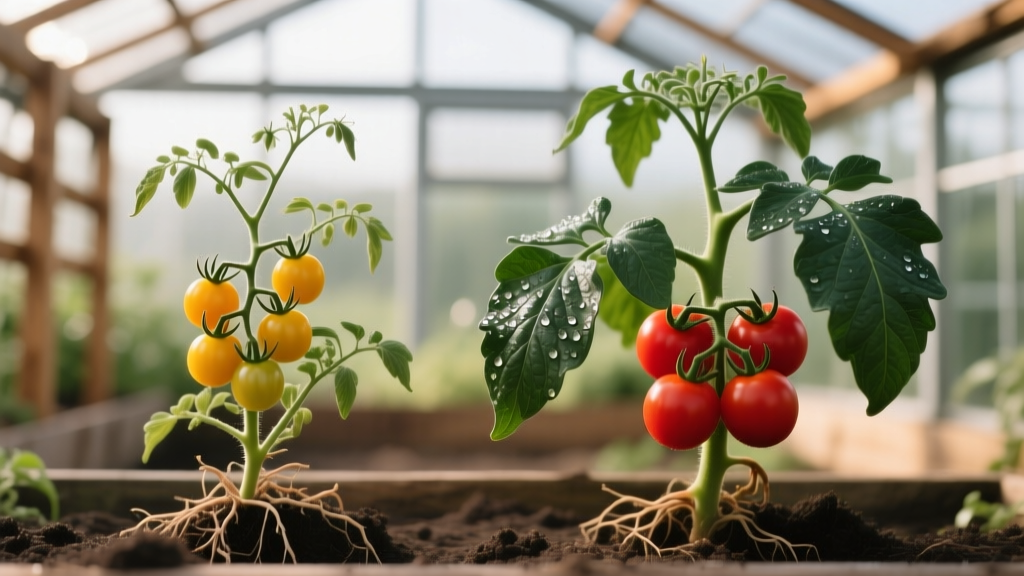
Pruning Sun Gold vs Better Boy Tomatoes: 2026 Guide
David ParkPublished
Introduction to Indeterminate Tomato Pruning in 2026
As we navigate the 2026 gardening season, mastering the art of tomato pruning remains one of the most critical skills for achieving a bountiful, disease-free harvest. While letting tomato plants grow wild might seem like the easiest approach, it inevitably leads to tangled foliage, reduced airflow, and a higher susceptibility to fungal diseases. Pruning is especially vital when cultivating indeterminate varieties, which continue to grow, flower, and produce fruit until the first hard frost. Two of the most popular indeterminate varieties grown in home gardens are the Sun Gold cherry tomato and the Better Boy beefsteak tomato. Although both share an indeterminate growth habit, their vastly different fruit sizes, vigor levels, and canopy densities require distinctly tailored pruning strategies. This comprehensive guide will walk you through the exact pruning methods, timing, and best practices for managing Sun Gold and Better Boy tomatoes in your 2026 garden.
Understanding Your Varieties: Sun Gold vs. Better Boy
Before making a single cut, it is essential to understand the physiological differences between these two beloved cultivars. Sun Gold is a hybrid cherry tomato renowned for its exceptional sweetness, high sugar content, and explosive vigor. A single healthy Sun Gold plant can easily grow over seven feet tall and produce hundreds of small, one-inch fruits in massive clusters. Because of this extreme vigor, the primary goal of pruning Sun Gold is to manage the sprawling canopy, maximize airflow to prevent blight, and ensure sunlight reaches the inner fruit clusters.
On the other hand, Better Boy is a classic hybrid beefsteak tomato that produces large, meaty fruits typically weighing between 12 and 16 ounces. While it is also indeterminate, its energy must be carefully directed. If a Better Boy plant is allowed to develop too many branches and suckers, it will produce an abundance of foliage at the expense of fruit size and ripening speed. The primary goal of pruning Better Boy is energy redirection—limiting the number of main stems so the plant can focus its resources on swelling and ripening a smaller number of massive beefsteaks.
| Feature | Sun Gold (Cherry) | Better Boy (Beefsteak) |
|---|---|---|
| Growth Habit | Indeterminate, highly vigorous | Indeterminate, moderate to high vigor |
| Primary Pruning Goal | Airflow, disease prevention, cluster access | Energy redirection, fruit sizing, structural support |
| Recommended Stem Count | 2 to 3 main stems | 1 to 2 main stems |
| Sucker Management | Missouri pruning (leave one leaf) | Complete removal at the node |
| Fruit Thinning | Rarely needed | Occasionally needed for maximum size |
Core Pruning Methods for Indeterminate Tomatoes
The Single-Stem Method
The single-stem method involves removing every single sucker (the shoot that grows in the axil between the main stem and a leaf branch) so that only the main central leader remains. This method is highly recommended for Better Boy beefsteaks, especially if you are growing them in limited space or using single-stake support systems. It forces the plant to channel all its nutrients into the main stem's fruit production.
The Double-Stem Method
For gardeners with more space and robust trellising systems, the double-stem method allows the main leader and one strong, low-growing sucker to develop into two primary trunks. All other suckers are removed. This is an excellent approach for Better Boy plants grown on heavy-duty cattle panels or tall tomato cages, effectively doubling your yield while still maintaining manageable foliage.
The Missouri Pruning Method
The Missouri pruning technique is a game-changer for highly vigorous cherry tomatoes like Sun Gold. Instead of snapping the sucker off completely at the base, you pinch off the growing tip of the sucker, leaving one or two leaves intact. These remaining leaves continue to photosynthesize and provide valuable shade to the developing fruit clusters, protecting the delicate cherry tomatoes from sunscald during the peak heat of the 2026 summer, while preventing the plant from wasting energy on growing a massive new branch.
Step-by-Step Pruning Guide: Sun Gold Cherry Tomatoes
Managing a Sun Gold plant requires a balance between controlling its explosive growth and maintaining enough foliage to support its heavy fruit load. Follow these steps for optimal cherry tomato pruning:
- Establish the Main Stems: Early in the season, select the main central leader and one or two strong, low suckers to act as secondary stems. Train these up individual strings or a Florida weave trellis.
- Apply Missouri Pruning: As the season progresses, inspect the leaf axils weekly. When you spot a new sucker, pinch off the tip just above the first set of leaves on that sucker. This keeps the canopy open without sacrificing photosynthetic capacity.
- Manage the Splash Zone: According to guidelines from the University of Minnesota Extension, removing the bottom 12 to 18 inches of foliage is crucial for preventing soil-borne diseases. Once your Sun Gold plant is well-established and flowering, use sterilized bypass pruners to remove all leaves and small branches touching the soil or within the splash zone of rain.
- Thin Dense Inner Foliage: If the center of the plant becomes a tangled thicket of leaves, selectively prune entire branches that are crossing, rubbing, or blocking sunlight from reaching the interior fruit clusters. Cherry tomatoes need good air circulation to dry quickly after morning dew or rain.
Step-by-Step Pruning Guide: Better Boy Beefsteak
Better Boy requires a more aggressive and disciplined approach to pruning. The goal is to create a streamlined, upright plant that produces massive, unblemished fruit.
- Strict Sucker Removal: Inspect your Better Boy plants twice a week. Snap off or prune away all suckers completely at the base (the joint where the leaf meets the main stem). Do not use the Missouri pruning method here; beefsteaks need all available energy directed to the fruit, not extra foliage.
- Limit to One or Two Stems: If you are staking your Better Boys, stick to a single stem. If you are using a tall, sturdy cage or a heavy-duty string trellis, you may allow a second stem to develop from the first node below the initial flower cluster. Remove all other competing leaders.
- Fruit Cluster Thinning: Better Boy sets fruit in clusters of three to five. While you want a good yield, allowing all fruits to mature can result in smaller, misshapen beefsteaks or delayed ripening. Consider thinning each cluster to the two or three largest, healthiest fruits. Snip the smaller, end-of-cluster fruits off with clean micro-snips.
- Top the Plant in Late Summer: Approximately 30 to 45 days before your area's first expected fall frost, 'top' the plant. Cut the main growing tip of the stem off completely. This halts vertical growth and forces the plant to redirect its remaining energy into ripening the existing green beefsteaks on the vine.
Essential Timing and Best Practices for 2026
When you prune is just as important as how you prune. The Penn State Extension emphasizes that timing your pruning correctly can significantly reduce the risk of pathogen entry.
- Time of Day: Always prune in the early morning after the dew has dried, or in the early evening. Avoid pruning during the heat of the midday sun, which can stress the plant and cause rapid moisture loss from the fresh wounds.
- Weather Conditions: Never prune wet plants. Moisture on the leaves and stems facilitates the spread of bacterial and fungal spores. Furthermore, avoid pruning if rain is in the forecast within the next 24 hours. The plant needs time to callous over the pruning wounds before being exposed to water-borne pathogens.
- Tool Sanitation: In 2026, maintaining strict garden hygiene is non-negotiable. Keep a small spray bottle filled with 70% isopropyl alcohol or a 10% bleach solution in your garden apron. Wipe down the blades of your bypass pruners between every single plant, and especially after cutting away any yellowing or diseased foliage.
- Use the Right Tools: For small, tender suckers, you can simply snap them off with your thumb and forefinger by bending them sideways until they break cleanly. For thicker, woody suckers or bottom-leaf removal, use a high-quality, sharp pair of bypass pruners. Avoid anvil pruners, as they can crush the tomato stem tissue, creating a larger wound that is slow to heal.
Common Pruning Mistakes to Avoid
Even experienced gardeners can make errors that compromise their harvest. Avoid these common pitfalls when managing your Sun Gold and Better Boy plants:
- Over-Pruning Sun Gold: Stripping a Sun Gold plant down to a single bare stem will expose the delicate cherry fruit clusters to direct, scorching sunlight, leading to sunscald and tough fruit skins. Always leave enough foliage to dapple the sunlight.
- Under-Pruning Better Boy: Allowing a Better Boy to develop into a multi-branched bush will result in a massive plant with dozens of tiny, green, unripe tomatoes that will never reach their full beefsteak potential before the frost.
- Tearing the Stem: When snapping off suckers by hand, always push them away from the main stem. Pulling them toward the main stem can tear a strip of the main stalk's epidermis, creating a massive, vulnerable wound.
- Composting Diseased Foliage: Any leaves you remove that show signs of early blight, septoria leaf spot, or pest damage must be bagged and sent to the municipal waste facility. Never compost diseased tomato foliage, as home compost piles rarely reach the sustained high temperatures required to kill these pathogens.
Conclusion
Successfully growing tomatoes in the 2026 season requires a nuanced understanding of each variety's unique growth habits. By applying the Missouri pruning method and focusing on airflow for your vigorous Sun Gold cherry tomatoes, and utilizing strict single-stem management and fruit thinning for your Better Boy beefsteaks, you will maximize both yield and quality. Consistent, well-timed pruning not only keeps your garden looking tidy but also builds a resilient, highly productive tomato canopy that will reward you with exceptional flavor from midsummer straight through to the first frost.
