Gardening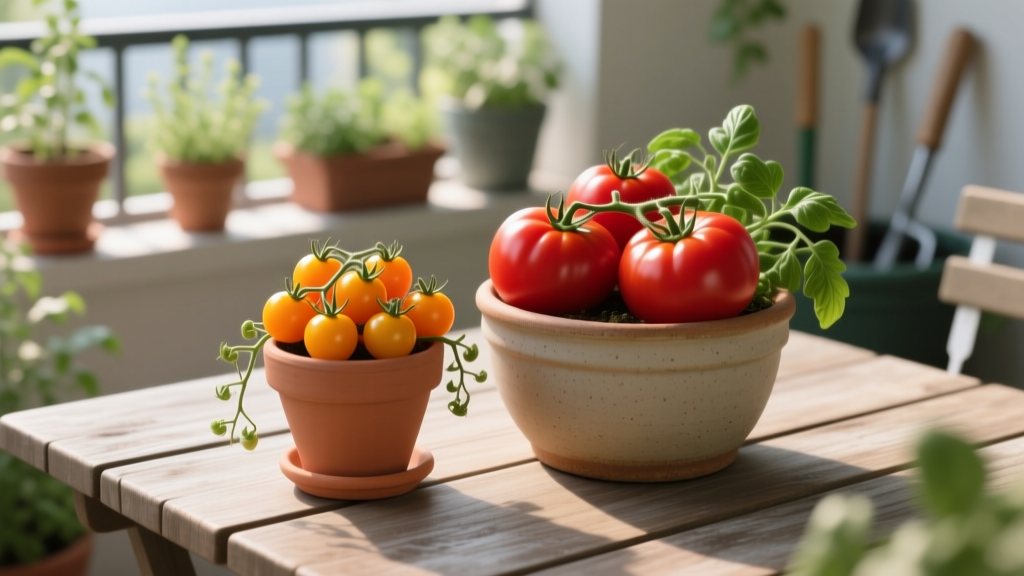
Sun Gold vs Better Boy Tomatoes: 2026 Container Guide
Anna KowalskiPublished
Introduction to 2026 Container Tomato Gardening
As the 2026 gardening season kicks into high gear, container gardening continues to dominate urban and suburban landscapes. With supply chain fluctuations and a growing desire for hyper-local, organic produce, growing tomatoes in pots has never been more popular. However, not all tomatoes are created equal when confined to a container. Two of the most beloved varieties among home growers are the Sun Gold cherry tomato and the Better Boy beefsteak tomato. While both are indeterminate powerhouses, their growth habits, nutritional needs, and spatial requirements differ vastly when restricted to pots. This comprehensive guide will break down exactly how to cultivate these two iconic varieties in containers this year, ensuring you get a bountiful harvest whether you prefer sweet, bite-sized snacks or massive, sandwich-ready slices.
The Contenders: Sun Gold vs. Better Boy at a Glance
Before diving into soil and pot sizing, it is crucial to understand the genetic differences between these two varieties. Sun Gold is a legendary cherry tomato known for its explosive sweetness (often measuring 9+ on the Brix scale) and vigorous, sprawling growth. Better Boy is a classic, disease-resistant beefsteak that produces large, meaty fruits weighing up to 16 ounces each. Both are indeterminate, meaning they will continue to grow and produce fruit until killed by frost, which presents unique challenges for container growers.
| Feature | Sun Gold (Cherry) | Better Boy (Beefsteak) |
|---|---|---|
| Fruit Type | Cherry (1 oz) | Beefsteak (12-16 oz) |
| Growth Habit | Indeterminate (Highly Vigorous) | Indeterminate (Moderate Vigor) |
| Days to Maturity | 55-65 Days | 70-75 Days |
| Minimum Pot Size | 15-20 Gallons | 20-25 Gallons |
| Flavor Profile | Exceptionally Sweet, Tropical | Classic, Balanced, Meaty |
| Pruning Need | Moderate (Multi-stem OK) | High (Strict Single Stem) |
Container Selection and Sizing for 2026
The most common mistake container gardeners make is underestimating the root volume required by indeterminate tomatoes. In 2026, the trend has heavily shifted toward heavy-duty fabric grow bags and smart-pots with built-in wicking reservoirs, which promote air-pruning and prevent root circling.
Sun Gold Container Requirements
Sun Gold is notoriously vigorous. In the ground, it can easily reach 8 to 10 feet tall and spread 4 feet wide. In a container, you must restrict its root space just enough to manage its size without stunting fruit production. A 15 to 20-gallon fabric grow bag is the absolute minimum. Brands like Vivosun or Smart Pot offer excellent breathability. Because Sun Gold produces hundreds of fruits, the plant needs a massive root system to support the hydraulic demand of pushing water to the topmost trusses.
Better Boy Container Requirements
Better Boy produces heavy, massive fruits. The physical weight of the plant and the soil will make the container incredibly top-heavy. You need a 20 to 25-gallon container, preferably a rigid, UV-stabilized plastic pot or a thick-walled resin planter with a wide base to prevent windthrow. A 25-gallon pot filled with wet soil can weigh over 180 pounds, so place your Better Boy containers on patios or use heavy-duty rolling pot caddies if you need to move them to chase the sun.
The Ultimate 2026 Container Soil Mix
Never use garden soil or topsoil in containers; it will compact, suffocate roots, and introduce soil-borne pathogens. According to Penn State Extension, container tomatoes require a lightweight, well-draining, yet moisture-retentive medium. For the 2026 season, we recommend a biochar-enhanced mix to improve nutrient retention and reduce the frequency of fertilization.
The Master Potting Recipe
- 40% Premium Peat or Coco Coir Base: Provides structure and moisture retention.
- 30% High-Quality Compost: Introduces beneficial microbes and slow-release nutrients.
- 15% Coarse Perlite or Pumice: Ensures drainage and oxygen flow to the roots.
- 10% Horticultural Biochar (Charged): Acts as a sponge for nutrients, preventing them from leaching out the bottom of the pot.
- 5% Worm Castings: The ultimate natural fertilizer and soil conditioner.
Crucial Amendment: Add 1/2 cup of pulverized garden lime or gypsum per 5 gallons of soil mix. This provides the calcium necessary to prevent Blossom End Rot, a common physiological disorder in container tomatoes.
Planting Depth and Support Systems
When transplanting your seedlings in late spring, bury the stem deep. Tomatoes will sprout adventitious roots from any buried portion of the stem, creating a more robust root ball. Strip the bottom two sets of leaves and bury the plant up to its topmost growth point.
Supporting Sun Gold
Sun Gold requires tall, sturdy support. Standard wire tomato cages are useless for this variety; they will bend and collapse by mid-July. Instead, use a 6-foot tall steel rebar stake or a heavy-duty wooden trellis. As the main vine grows, secure it every 8 inches using soft silicone plant ties to avoid cutting into the thickening stem.
Supporting Better Boy
Better Boy is slightly less sprawling but bears heavy fruit that can snap branches. Use a heavy-gauge steel square cage (at least 5 feet tall) or a dual-stake system. When a beefsteak fruit begins to develop, you may need to create individual fruit hammocks using old pantyhose or mesh bags tied to the support structure to prevent the branch from snapping under the 1-pound weight.
Watering and Fertilizing in a Confined Space
Containers dry out rapidly, especially during the peak heat of summer. Inconsistent watering is the primary cause of fruit splitting and Blossom End Rot. The University of Florida IFAS notes that calcium transport within the plant is entirely dependent on consistent water uptake. If the soil dries out, calcium cannot reach the developing fruit, resulting in black, sunken lesions on the bottom of the tomato.
Automated Drip Irrigation
For 2026, invest in a smart drip irrigation kit connected to a Wi-Fi-enabled hose timer. Run two 1-gallon-per-hour (GPH) drip emitters per pot. This ensures deep, even watering directly at the root zone, keeping the foliage dry and preventing fungal diseases like early blight.
The Feeding Schedule
Nutrients leach out of containers every time you water. You must replenish them consistently.
- Weeks 1-4 (Vegetative Stage): Apply a balanced liquid fertilizer like fish emulsion (5-1-1) every two weeks to encourage strong root and leaf development.
- Weeks 5-8 (Flowering Stage): Switch to a high-phosphorus and potassium fertilizer, such as Espoma Tomato-tone (3-4-6) or a liquid kelp extract. This promotes blossom set and fruit development.
- Weeks 9+ (Fruiting Stage): Top-dress the soil with 1/4 cup of granular organic fertilizer every three weeks, scratching it lightly into the top inch of soil before watering.
Pruning and Sucker Management
Pruning is non-negotiable for container-grown indeterminate tomatoes, but the approach differs between our two varieties.
Pruning Better Boy (Strict Single Stem)
Better Boy must be pruned to a single main stem to thrive in a pot. If you allow it to branch out, the container will not have the resources to support the massive foliage and heavy fruits. Inspect the leaf axils (the joint between the main stem and the leaf branch) weekly. Pinch off any suckers that appear using clean pruning shears. By maintaining a single, towering stem, you direct all the plant's energy into producing large, flawless beefsteaks.
Pruning Sun Gold (Modified Multi-Stem)
Because Sun Gold fruits are small and numerous, restricting it to a single stem will drastically reduce your yield. Instead, allow the main stem and one or two strong lower suckers to grow, creating a two- or three-stemmed plant. Prune away all other suckers, and aggressively thin the lower leaves once the plant reaches 3 feet tall to improve air circulation and reduce the risk of soil-borne fungal splashing.
Pest and Disease Control
Container gardening naturally reduces some soil-borne diseases, but foliage pests remain a threat. The Clemson University Home & Garden Information Center recommends regular scouting to catch issues before they defoliate your plants.
- Tomato Hornworms: These massive green caterpillars can strip a container plant overnight. Hand-pick them daily or apply Bacillus thuringiensis (Bt), a natural bacteria that targets caterpillars without harming beneficial insects.
- Aphids and Whiteflies: Often found on the undersides of leaves. Spray with a cold-pressed neem oil solution in the early evening to avoid burning the leaves in the sun.
- Early Blight: Characterized by concentric brown rings on lower leaves. Prevent this by mulching the top of your container soil with 2 inches of straw or shredded leaves to stop soil spores from splashing onto the lower foliage during watering.
Conclusion: Which Should You Grow?
Choosing between Sun Gold and Better Boy for your 2026 container garden ultimately depends on your culinary preferences and spatial constraints. If you have a sturdy patio, want massive slicing tomatoes for burgers and sandwiches, and are willing to commit to strict weekly pruning, the Better Boy is an unparalleled classic. If you prefer a continuous, high-volume harvest of incredibly sweet snacking tomatoes and have the space for a tall, multi-stemmed trellis setup, the Sun Gold will provide you with hundreds of fruits from mid-summer straight to the first frost. Better yet, if space permits, dedicate one 20-gallon pot to each and experience the best of both worlds.
