Gardening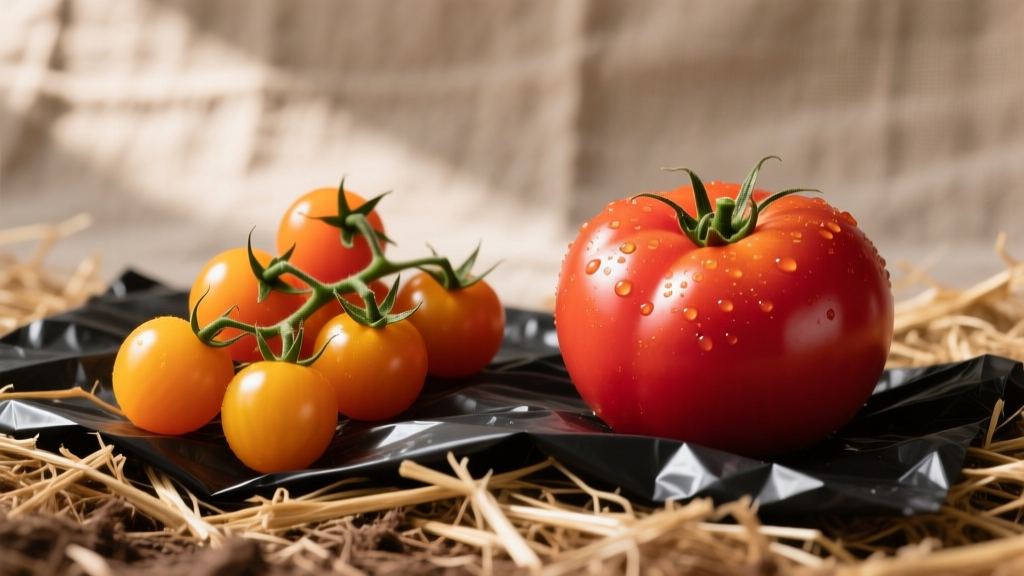
Mulching Sun Gold vs Better Boy Tomatoes: 2026 Care Guide
Mike RodriguezPublished
Introduction to Tomato Mulching in 2026
As we navigate the 2026 growing season, unpredictable weather patterns and extended summer heatwaves make proper soil management more critical than ever. For home gardeners and small-scale market growers, mulching is no longer just an aesthetic choice; it is a vital horticultural practice that regulates soil temperature, conserves moisture, and suppresses weed competition. However, not all tomatoes respond to mulch in the exact same way. When comparing two of the most beloved varieties in home gardens—the vigorous Sun Gold cherry tomato and the classic Better Boy beefsteak—tailoring your mulching methods to their specific growth habits and fruiting needs is the secret to a record-breaking harvest.
According to the University of Minnesota Extension, consistent soil moisture and temperature regulation are the primary drivers of tomato health and fruit quality. In this comprehensive guide, we will break down the exact mulching materials, application depths, and seasonal timing required to optimize both Sun Gold and Better Boy tomatoes in 2026.
Understanding the Contenders: Sun Gold vs. Better Boy
Before laying down a single layer of mulch, it is essential to understand the physiological differences between these two powerhouse varieties.
Sun Gold Cherry Tomatoes
Sun Gold is an indeterminate, sprawling cherry tomato known for its exceptionally sweet, tangerine-orange fruit. Because it produces massive, dense canopies and heavy clusters of thin-skinned fruit, it is highly susceptible to fungal pathogens like early blight and septoria leaf spot. These diseases are primarily soil-borne and splash onto the lower leaves during heavy rains or overhead watering. Furthermore, Sun Gold cherries are notorious for splitting if soil moisture fluctuates wildly.
Better Boy Beefsteak Tomatoes
Better Boy is a legendary indeterminate hybrid beefsteak that produces massive, 12-to-16-ounce fruits. The primary challenge with growing Better Boy is maintaining consistent calcium uptake, which requires perfectly even soil moisture. If the soil dries out and is then flooded, the plant cannot transport calcium to the rapidly expanding fruit, resulting in blossom end rot. Therefore, the mulching strategy for Better Boy must prioritize deep, long-lasting moisture retention.
Top Mulching Materials for Tomatoes in 2026
Choosing the right mulch depends on your local climate, budget, and the specific tomato variety. Here are the top materials recommended for the 2026 season:
- Weed-Free Straw: The gold standard for disease prevention. It creates an excellent physical barrier against soil splash. In 2026, a standard bale costs between $14 and $18 depending on your region.
- Shredded Hardwood Bark: Excellent for moisture retention and breaking down slowly to feed soil microbes. Best for heavy-feeding beefsteaks.
- Red Plastic Mulch: A synthetic option that reflects specific red light wavelengths back into the plant canopy, scientifically proven to increase tomato yields by up to 20%. It also completely eliminates soil splash.
- Pine Needles (Pine Straw): Highly effective for allowing water infiltration while preventing soil compaction. It does not significantly alter soil pH as once believed.
Mulching Strategy for Sun Gold Cherry Tomatoes
The primary goal when mulching Sun Gold is disease prevention and splash protection. Because Sun Gold vines can easily reach 8 to 10 feet in length and require extensive caging or trellising, the lower canopy is often dense and close to the ground.
Recommended Material: Weed-free straw or pine needles.
Application Depth: 3 to 4 inches.
Timing: Apply immediately after transplanting, provided the soil has warmed to at least 65°F. If planting early in a cool spring, wait two weeks or use red plastic mulch to warm the soil first.
When applying straw around Sun Gold, ensure you create a wide mulch bed. Because the plant will sprawl and drop lower branches, a mulch circle with a 3-foot diameter is recommended. This ensures that when the heavy fruit clusters hang low, they rest on clean straw rather than bare, potentially contaminated soil. The University of California Statewide Integrated Pest Management Program emphasizes that physical barriers between soil and foliage are the most effective cultural controls for soil-borne fungal spores.
Mulching Strategy for Better Boy Beefsteak Tomatoes
For Better Boy, the primary goal is moisture stabilization and temperature buffering to prevent blossom end rot and fruit cracking. Beefsteak tomatoes have longer maturation periods, meaning the root system needs a stable environment for up to 85 days after transplanting.
Recommended Material: Shredded hardwood bark, leaf mold, or red plastic mulch.
Application Depth: 2 to 3 inches for organic; flush to the ground for plastic.
Timing: Wait until the soil is thoroughly warm (70°F+). Organic mulches applied too early will insulate cold soil, stunting the Better Boy's early root development.
Organic mulches like shredded bark hold moisture exceptionally well, reducing the frequency of deep watering required during the peak of summer. If you choose red plastic mulch, you must install a drip irrigation line underneath the plastic before laying it down. This combination provides the ultimate environment for massive beefsteak fruit development, keeping the soil evenly moist and warm.
Comparison Chart: Sun Gold vs. Better Boy Mulching Needs
| Feature | Sun Gold Cherry | Better Boy Beefsteak |
|---|---|---|
| Primary Mulch Goal | Disease prevention (splash barrier) | Moisture consistency (prevent blossom end rot) |
| Best Organic Mulch | Weed-free straw or pine needles | Shredded hardwood bark or composted leaf mold |
| Ideal Thickness | 3 to 4 inches | 2 to 3 inches |
| Mulch Bed Diameter | 3 feet (wide to cover sprawling lower branches) | 2 feet (focused on deep root zone) |
| Plastic Mulch Viability | Good, but canopy may overheat in extreme zones | Excellent, highly recommended for maximum fruit size |
| Watering Method Under Mulch | Drip tape or soaker hose | Deep drip emitters (1-2 gallons per hour) |
Step-by-Step Application Guide for 2026
Regardless of whether you are growing Sun Gold or Better Boy, proper application technique is non-negotiable. Follow these steps for optimal results:
- Prep the Soil: Amend your planting hole with high-quality compost and a balanced organic tomato fertilizer. Water the plant deeply immediately after transplanting.
- Wait for Warmth: Use a soil thermometer. Do not apply insulating organic mulches until the soil temperature at a 4-inch depth consistently reads above 65°F. In 2026, many northern zones experienced delayed soil warming; patience is key.
- Create a Stem Gap: Never let mulch touch the tomato stem. Leave a 2-to-3-inch bare soil ring directly around the base of the plant. 'Volcano mulching' traps moisture against the stem, inviting crown rot and stem girdling.
- Extend the Canopy: Spread the mulch outward to match the expected drip line of the plant. For Sun Gold, this means a wide perimeter; for Better Boy, a concentrated deep circle.
- Replenish as Needed: Organic mulches decompose. By mid-August, check your straw or bark levels and add another inch if the soil is becoming exposed.
Common Mulching Mistakes to Avoid
Even experienced gardeners can sabotage their tomato crop with poor mulching habits. Avoid these common pitfalls:
- Using Fresh Grass Clippings: Never use fresh grass clippings around tomatoes. As they decompose, they form a slimy, anaerobic mat that blocks water penetration and can burn plant stems with excess nitrogen and heat. Furthermore, clippings from lawns treated with broadleaf herbicides will severely stunt or kill your tomato plants.
- Mulching Over Dry Soil: Mulch seals moisture in, but it also keeps rain out. If you apply mulch over bone-dry soil, you will create a drought environment. Always water deeply before laying down your mulch layer.
- Ignoring End-of-Season Cleanup: In the fall, do not till diseased tomato mulch into the soil. Sun Gold and Better Boy are both susceptible to late blight and early blight. Pull the spent mulch, bag it, and send it to a municipal composting facility that reaches high enough temperatures to kill pathogens, or dispose of it entirely.
Conclusion
Mastering the art of mulching is what separates a mediocre tomato harvest from an extraordinary one. By recognizing that Sun Gold cherries require a wide, thick splash-barrier to protect their dense foliage, and that Better Boy beefsteaks need a moisture-buffering layer to ensure flawless calcium uptake, you can tailor your garden for success. Implement these 2026 mulching strategies, monitor your soil temperatures, and prepare for your most abundant, disease-free tomato season yet.
