
Landscaping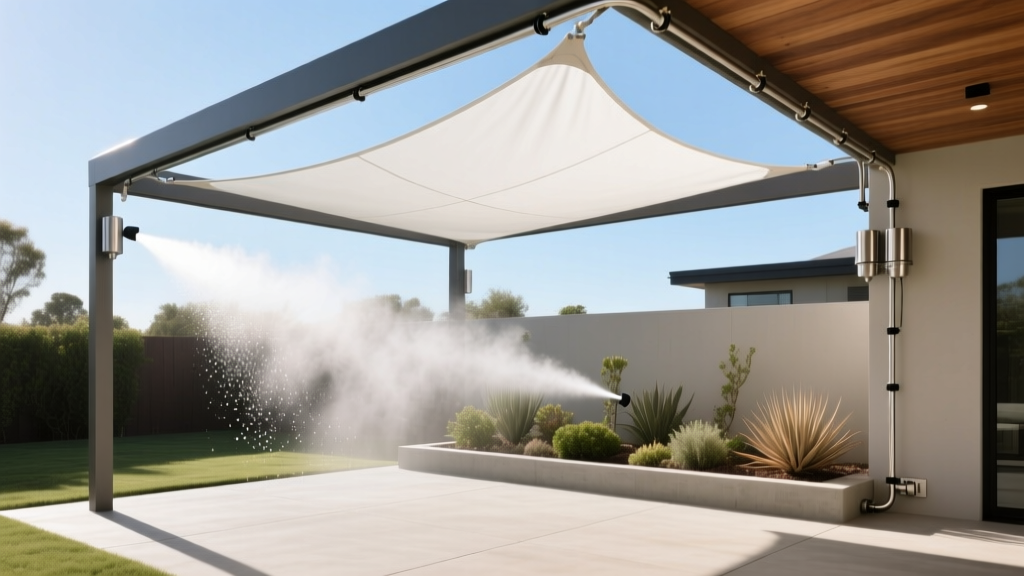
2026 Pergola Sunbrella Sail Misting & Irrigation Guide
James MillerPublished
The Evolution of Outdoor Living in 2026
As we move through 2026, the modern backyard has evolved into a fully integrated extension of the home. Homeowners are no longer satisfied with standalone structures; they demand multi-functional outdoor living spaces that combine architectural beauty with advanced climate control and automated landscaping. One of the most highly sought-after hardscaping projects this year is the construction of a custom pergola paired with a tensioned Sunbrella shade sail canopy. However, building the structure is only half the battle. To truly maximize comfort and protect your investment, you must seamlessly integrate your sprinkler and irrigation systems into the pergola design.
Integrating irrigation into a pergola and shade sail project involves two distinct challenges: first, routing concealed drip lines and high-pressure misting systems through the pergola’s structural posts to cool the space and hydrate surrounding climbing vines; and second, managing your yard’s existing sprinkler system to prevent overspray, hard water stains, and mold growth on your premium Sunbrella fabric. According to the Irrigation Association, properly zoned and concealed irrigation systems not only improve water efficiency but also significantly elevate the aesthetic appeal of high-end hardscaping projects. This comprehensive guide will walk you through the exact steps, materials, and 2026 smart technologies required to execute this integration flawlessly.
Planning Your Pergola and Sunbrella Sail Layout
Before you pour concrete footings or set your first 6x6 cedar or powder-coated aluminum post, you must map out your irrigation and misting lines. In 2026, the standard for luxury pergolas involves hiding all plumbing and wiring within the posts themselves. If you are using hollow aluminum pergola kits, routing 3/8-inch high-pressure misting tubing and 1/4-inch drip irrigation lines is incredibly straightforward. For solid wood posts, you will need to drill a 3/4-inch channel through the center of the post from the base to the top beam.
When planning the placement of your Sunbrella shade sail, consider the anchor points carefully. The tensioning hardware (turnbuckles and D-rings) should be mounted to the pergola’s outer beams or adjacent structural walls. Crucially, you must ensure that your high-pressure misting nozzles are positioned at least 18 inches below the lowest point of the Sunbrella sail. If the misting nozzles are too close to the fabric, the micro-droplets will coalesce on the underside of the sail, leading to unwanted dripping and potential water spotting on the fabric.
Routing Drip Lines and Misting Tubes Through Pergola Posts
To maintain a clean, uncluttered look, all irrigation supply lines should enter the pergola underground. Trench a 1/2-inch polyethylene drip line from your main irrigation valve manifold to the base of your primary pergola post. Use a brass slip-through fitting to transition the underground poly line into the hollow core or drilled channel of the post.
For the climbing vines or perimeter garden beds that wrap around your pergola, you will split the main line inside the post using a multi-port drip manifold. From there, run 1/4-inch micro-tubing out through discreet weep holes near the base of the post, directly into the mulch or soil. This method ensures that your drip irrigation remains entirely hidden, delivering water directly to the root zones of your plants without the visual clutter of above-ground tubing snaking across your patio.
For the cooling misting system, you will run a dedicated 3/8-inch stainless steel braided hose or high-pressure nylon tubing up the same post channel. At the top beam, use hidden T-fittings to route the misting line along the underside of the pergola’s cross-rafters. Secure the tubing every 24 inches with UV-resistant stainless steel P-clips to prevent sagging over time.
Selecting the Right Misting System for Shade Sails
When pairing a misting system with a Sunbrella shade sail canopy, pressure is everything. Low-pressure misting systems (operating at standard household water pressure of 40-60 PSI) produce large, heavy water droplets. These droplets will inevitably wet your patio furniture, create a slipping hazard on your decking, and cause the underside of your Sunbrella sail to become damp and heavy.
In 2026, the industry standard for covered pergolas is a high-pressure misting pump operating between 800 and 1,200 PSI. At this pressure, water is atomized into a micro-fine fog (droplets smaller than 10 microns) that flash-evaporates instantly upon hitting the hot air. This provides a dramatic temperature drop of up to 25 degrees Fahrenheit without wetting the surfaces below or the Sunbrella canopy above. When selecting nozzles, opt for 0.012-inch or 0.015-inch orifices with anti-drip check valves. These valves are essential; they instantly retract when the pump shuts off, preventing the residual water in the lines from dripping onto your outdoor dining table.
Preventing Sprinkler Overspray and Hard Water Stains
One of the most common mistakes homeowners make after installing a luxury pergola is allowing their existing rotary or spray-head sprinklers to overspray onto the structure. Sunbrella fabrics are renowned for their durability and UV resistance, as highlighted in the Sunbrella outdoor fabric guidelines, but they are not immune to the effects of hard water and constant moisture. If your lawn sprinklers repeatedly hit the shade sail or the wooden posts, you will quickly develop stubborn calcium deposits, hard water stains, and eventually, mildew or black algae on the fabric and hardscape.
To solve this, you must audit and adjust your sprinkler zones immediately after the pergola is built. Follow these actionable steps:
- Convert to MP Rotators: Replace traditional spray nozzles on the perimeter of your lawn with high-efficiency rotating nozzles. These deliver water at a lower precipitation rate and with heavier streams that are less susceptible to wind drift.
- Adjust Arc and Radius: Physically dial back the radius screw on any rotor heads located within 10 feet of the pergola to ensure the spray arc terminates at least 2 feet short of the structure.
- Transition to Drip: Wherever possible, remove spray heads in the garden beds immediately adjacent to the pergola and replace them with subsurface drip irrigation or inline emitter tubing. The EPA WaterSense program highly recommends drip irrigation for landscaped beds, as it eliminates overspray and reduces water usage by up to 50% compared to traditional sprinklers.
2026 Smart Controller Integration
To tie your pergola drip lines, perimeter garden beds, and high-pressure misting pump together, you need a centralized smart irrigation controller. In 2026, Wi-Fi-enabled controllers equipped with hyper-local weather forecasting and flow sensors are the baseline for premium landscapes. By wiring your misting pump’s relay and your drip irrigation solenoid valves into a smart controller, you can automate your outdoor climate.
For example, you can program the controller to trigger the high-pressure misting pump for 10-minute intervals whenever the local weather API reports that the ambient temperature exceeds 85 degrees Fahrenheit. Simultaneously, the smart controller can monitor the flow meter on your drip irrigation zones, instantly sending an alert to your smartphone if a micro-tubing line is severed or a drip emitter becomes clogged, ensuring your climbing vines and perimeter beds never miss a watering cycle.
Material and Cost Comparison Table
Below is a breakdown of the estimated material costs and specifications for integrating these systems into a standard 12x16 foot pergola with a Sunbrella sail in 2026.
| Component | Specification / Type | Estimated Cost (2026) | Primary Benefit |
|---|---|---|---|
| High-Pressure Misting Pump | 1000 PSI, 120V, Auto-Drain | $850 - $1,200 | Flash-evaporation cooling without wetting the sail |
| Stainless Steel Misting Line | 3/8-inch OD, Braided | $120 - $180 | Prevents sagging and UV degradation |
| Anti-Drip Misting Nozzles | 0.012-inch Orifice, Brass | $8 - $12 each | Eliminates post-shutdown dripping |
| Concealed Drip Manifold | 4-Port, 1/4-inch Barb | $35 - $50 | Routes hidden watering to climbing vines |
| Smart Irrigation Controller | 8-Zone Wi-Fi with Flow Sensor | $250 - $350 | Automates misting and monitors for leaks |
Maintaining Your Sunbrella Canopy and Irrigation Fittings
Even with perfectly adjusted sprinklers and high-pressure misting systems, routine maintenance is required to keep your outdoor oasis looking pristine. At the end of every summer season, flush your misting lines with a specialized nozzle-cleaning solution to dissolve any microscopic mineral buildup from your water supply. This ensures that your nozzles continue to produce a perfectly atomized fog rather than a fine spray.
For the Sunbrella shade sail, perform a gentle cleaning twice a year using a soft-bristle brush, lukewarm water, and a mild, non-detergent soap. Never use high-pressure power washers on the fabric, as this can strip the factory-applied fluorocarbon finish that provides water and stain resistance. By combining meticulous irrigation planning with proper fabric care, your pergola and shade sail will remain the crown jewel of your landscape for decades to come.

