
Landscaping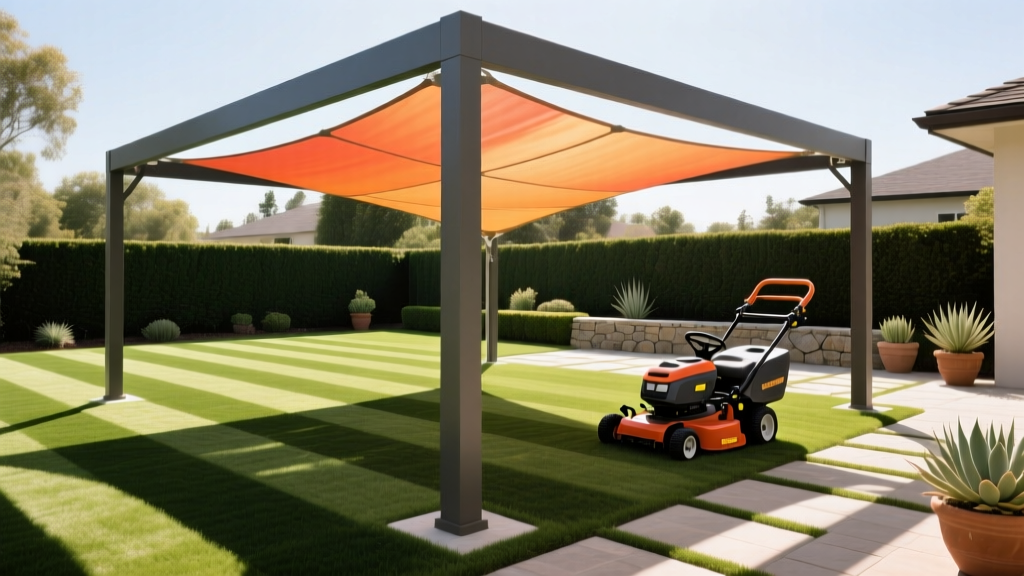
Master 2026 Mowing Patterns For Sunbrella Pergolas
James MillerPublished
Integrating Hardscapes and Turf: The 2026 Approach to Pergola Construction
When planning pergola construction with a Sunbrella shade sail canopy, most homeowners focus entirely on aesthetics, seating arrangements, and outdoor dining layouts. However, as a dedicated lawn care enthusiast, your perspective must extend to the turf beneath and surrounding the structure. In 2026, the hallmark of a premium landscape is the seamless integration of hardscapes and softscapes, where the architecture actively enhances your mowing techniques and patterns rather than obstructing them. A poorly placed pergola becomes a string-trimmer nightmare, resulting in scalped grass and damaged post footings. Conversely, a strategically built pergola with a tensioned Sunbrella canopy serves as the ultimate focal point for stunning, professional-grade turf striping.
This guide explores how to approach pergola construction with a Sunbrella shade sail canopy strictly from the perspective of mowing techniques, equipment clearance, and pattern execution. By aligning your construction dimensions with your mowing strategy, you can achieve a pristine, low-maintenance landscape that looks like it was designed by a stadium groundskeeper.
Phase 1: Construction Planning for Mower Access and Clearance
The foundation of a great mowing pattern is unobstructed access. Modern zero-turn mowers, which are essential for creating crisp, contrasting stripes in 2026, require specific spatial allowances to operate efficiently without causing turf tear or hardscape damage.
Post Layout and Deck Clearance
Standard residential zero-turn mowers in 2026 typically feature 54-inch to 60-inch cutting decks. When laying out your pergola posts, you must account for the mower's turning radius and deck overhang. If you intend to mow directly through the pergola structure to maintain a continuous pattern, the interior clearance between posts must be at least 64 inches for a 60-inch deck. This 4-inch buffer on each side prevents the mower deck from scraping against 6x6 pressure-treated posts or steel pergola brackets.
Footings and the 'No-Trim' Perimeter
Nothing disrupts a beautiful mowing pattern faster than having to stop and deploy a weed whacker around concrete footings. During construction, avoid pouring exposed concrete collars around your posts. Instead, opt for one of these two mower-friendly foundation techniques:
- Flush-Mounted Paver Borders: Install a 24-inch circular or square paver border around each post, set perfectly flush with the soil grade. This allows the zero-turn mower to glide directly over the hardscape without scalping the surrounding turf.
- Steel Edging Mulch Rings: If you prefer a softer look, install heavy-duty steel landscape edging in a 3-foot radius around the pergola base, filled with dark hardwood mulch. The steel edge provides a rigid barrier that the mower wheels can ride along, creating a perfectly crisp boundary line without the need for manual string trimming.
Phase 2: Sunbrella Canopy Tension and Turf Microclimates
The choice of a Sunbrella shade sail canopy is excellent for UV resistance and longevity, but it fundamentally alters the light dynamics of the lawn below. According to turf management experts at NC State TurfFiles, shade is one of the most limiting factors for turfgrass density and recovery from mower stress.
Sail Height and Light Filtration
To ensure the grass beneath your pergola remains thick enough to hold a mowing pattern, the Sunbrella shade sail must be mounted at a minimum height of 9 to 10 feet. This elevation allows ambient, diffused sunlight to reach the turf during the early morning and late afternoon hours. Furthermore, when tensioning the sail, ensure a slight 15-degree pitch. This prevents water pooling (which can drip and create localized mud ruts that ruin mower traction) while optimizing the angle of light penetration.
Selecting Shade-Tolerant Cultivars
For the zone directly beneath the canopy, standard Kentucky Bluegrass will thin out, leading to patchy, inconsistent striping. The University of Minnesota Extension recommends utilizing fine fescues or specialized shade-tolerant tall fescue blends for areas receiving less than six hours of direct sunlight. These cultivars maintain the rigid blade structure necessary to bend and reflect light, which is the core physics behind visible mowing stripes.
Phase 3: Mastering Mowing Patterns Around the Pergola
With the construction optimized for mower access and the turf selected for shade resilience, it is time to execute the mowing patterns. The pergola acts as your central anchor point, allowing for geometric precision that elevates your curb appeal.
The Concentric Spiral (The Focal Point Technique)
The spiral pattern draws the eye directly toward the center of the landscape, making it the perfect technique for a central pergola.
- Begin by mowing a single perimeter pass around the outer boundary of the lawn to create a turning zone.
- Approach the pergola and begin a tight circle around the outer edge of your flush-mounted paver borders or mulch rings.
- With each subsequent pass, spiral outward, overlapping your previous cut by exactly two inches.
- The alternating light and dark bands will radiate outward from the Sunbrella canopy, creating a mesmerizing, stadium-like vortex effect.
The Diagonal Chevron with Relief Borders
Striping on a diagonal makes a lawn appear wider and more expansive. When incorporating a pergola, straight diagonal lines can be interrupted by the posts. The solution is the Chevron with Relief Borders.
- The Relief Border: Mow a 4-foot wide circular 'halo' around the entire pergola footprint. This acts as a visual break and a maneuvering zone for your mower.
- The Chevron Execution: Starting from the house or property line, mow diagonal stripes at a 45-degree angle toward the pergola's relief border. When you reach the border, execute a smooth, sweeping turn and begin the return pass at the opposing 45-degree angle, creating a V-shape (chevron) that points directly at the shade sail.
The Checkerboard with a Curved Relief Border
For a highly formal look, the checkerboard pattern is unmatched. However, navigating a zero-turn mower in tight 90-degree angles around pergola posts causes turf tearing. By constructing your pergola with a curved, 6-foot radius mowing strip around the base, you can mow the checkerboard up to the hardscape edge, use the curved border to smoothly reverse direction, and cross-cut the pattern without ever putting the mower into a harsh, grass-ripping pivot.
Phase 4: Mowing Heights and Shade Sail Maintenance
Mowing technique is not just about the direction you drive; it is also about the height of the cut. Grass growing beneath a Sunbrella shade sail canopy requires a modified approach to maintain its structural integrity for striping.
Pro Tip for 2026: Never remove more than one-third of the turfgrass blade in a single mowing session, especially in shaded areas beneath a canopy. Shaded grass blades are longer and more delicate; scalping them will expose the soil, invite weeds, and completely ruin the reflective surface needed for mowing patterns.
Set your mower deck to 3.5 or 4 inches for the shaded zone beneath the pergola, while the sun-drenched outer lawn can be maintained at 3 inches. This height differential actually enhances the visual depth of the landscape when viewed from a distance. Additionally, when mowing near the structure, be mindful of debris. While Sunbrella's official outdoor gallery highlights the fabric's resistance to mildew and stains, blowing grass clippings upward into the tensioned canopy during aggressive zero-turn maneuvers can lead to unsightly green dust accumulation on the underside of the sail. Always direct your mower's discharge chute away from the pergola's center.
2026 Equipment & Clearance Guide
To assist with your pergola construction planning, refer to the table below to ensure your post spacing accommodates modern mowing equipment and pattern execution.
| Mower Type (2026 Models) | Deck Width | Min. Post Spacing (Pass-Through) | Recommended Relief Border Radius |
|---|---|---|---|
| Residential Zero-Turn | 54 inches | 58 inches | 4 feet |
| Prosumer Zero-Turn | 60 inches | 64 inches | 5 feet |
| Commercial Stand-On | 52 inches | 56 inches | 3.5 feet |
| Walk-Behind (Striping) | 36 inches | 40 inches | 2 feet |
Conclusion: The Harmony of Structure and Stripe
Pergola construction with a Sunbrella shade sail canopy is a significant investment in your outdoor living space. By viewing this construction project through the lens of mowing techniques and patterns, you ensure that the structure enhances your lawn rather than complicating its care. From spacing posts to accommodate 60-inch zero-turn decks and installing flush paver borders, to selecting shade-tolerant fescues and executing concentric spiral patterns, every decision contributes to a cohesive, breathtaking landscape. In 2026, the most impressive lawns are those where the hardscape and the turf work in perfect, striped harmony.

