
Landscaping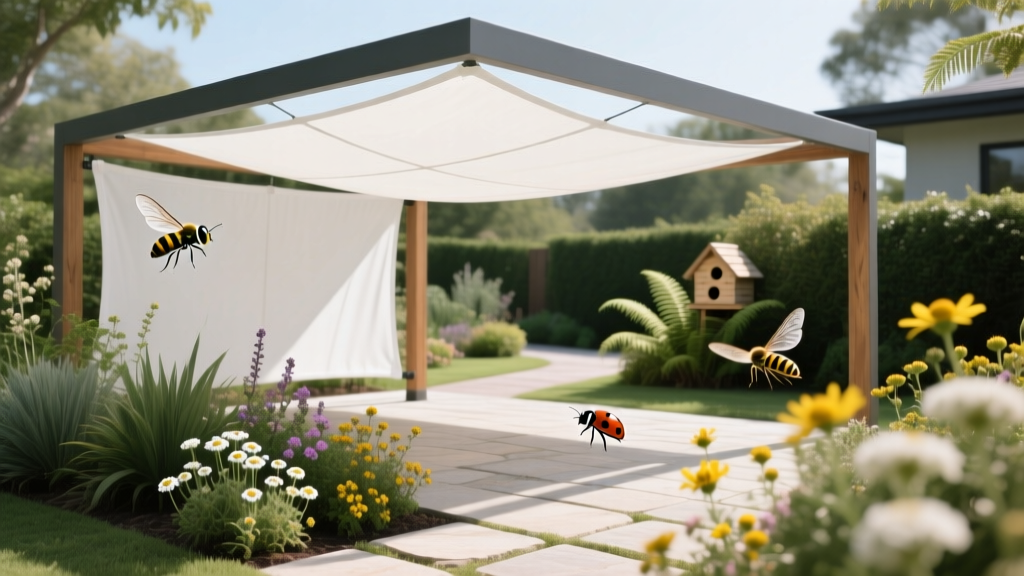
2026 Sunbrella Shade Sail Pergola: Boost Beneficial Insects
Lisa ThompsonPublished
The Evolution of Outdoor Living: Hardscaping Meets Bio-Control
In 2026, the landscaping industry has fully embraced the concept of multi-functional outdoor spaces. Homeowners are no longer satisfied with hardscaping projects that serve only a single aesthetic or recreational purpose. Today, the most advanced landscape designs integrate structural elements with ecological benefits, specifically targeting beneficial insects and natural bio-control. One of the most innovative trends this year is the construction of a pergola equipped with a Sunbrella shade sail canopy, specifically engineered to serve as a sanctuary for predatory insects and pollinators. By merging high-end outdoor living with sustainable pest management, you can create a stunning backyard retreat that actively reduces garden pests without the use of harmful chemicals.
According to the EPA's Integrated Pest Management Principles, creating physical habitats for natural predators is a cornerstone of sustainable landscaping. A well-designed pergola provides the perfect architectural framework to support climbing insectary plants, house overwintering insect hotels, and establish protected microclimates that encourage beneficial insect populations to thrive year-round.
Selecting Materials: Safety for Ground-Nesting Pollinators
The foundation of any bio-friendly pergola begins with material selection. When constructing your posts and beams, it is critical to avoid standard pressure-treated lumber infused with copper azole or alkaline copper quaternary (ACQ). These chemical treatments can leach into the surrounding soil, posing a severe threat to ground-nesting native bees, such as sweat bees and mining bees, which are vital for early-season pollination and soil aeration.
Instead, opt for naturally rot-resistant, untreated woods like Western Red Cedar or Redwood. These materials offer exceptional longevity and structural integrity while remaining completely safe for the surrounding soil ecology. For a standard 10x12 foot pergola, use 6x6 cedar posts set at least 36 inches deep, below the local frost line, anchored in gravel and concrete footings. Ensure the concrete is capped with soil and mulch to prevent chemical runoff from affecting the immediate root zones of your future insectary climbing plants.
Engineering the Sunbrella Shade Sail Canopy
The canopy is where this project truly shines. While traditional wooden lath roofs can harbor unwanted pests like wasps or spiders in their dark, enclosed crevices, a tensioned shade sail offers a clean, breathable, and easily maintainable alternative. Sunbrella's 2026 shade fabric collections feature advanced UV-resistant, breathable textiles that provide excellent shade while allowing crucial rainfall to reach the soil below, maintaining the humidity levels that many beneficial insects, like predatory mites, require to survive.
Color Theory and Insect Vision
When selecting your Sunbrella shade sail color, consider how insects perceive light. Many common garden pests, including aphids and whiteflies, are highly attracted to bright yellow and specific UV-reflective wavelengths. To avoid inadvertently creating a beacon for these pests, choose earthy, muted tones from the 2026 Sunbrella lineup, such as Terracotta, Slate, or Forest Green. These colors blend seamlessly into the landscape, provide excellent UV protection for your patio furniture, and do not trigger the visual receptors of common garden pests.
Tensioning and Hardware
To install the sail, use marine-grade 316 stainless steel D-rings, turnbuckles, and snap hooks. Stainless steel is essential, as rusting metals can introduce iron oxides into the soil that may alter the pH and affect the health of your bio-control climbing vines. When tensioning the sail, leave a 10 percent allowance for fabric stretch and wind load. A properly tensioned sail will pool less water and provide a dry, protected underside—the perfect ceiling for mounting beneficial insect habitats.
Designing the Pergola as an Insectary Hub
With the structure and canopy in place, the next step is to transform the pergola into an active bio-control hub. The underside of the Sunbrella shade sail provides a unique microclimate: it is shielded from heavy, destructive downpours and harsh midday sun, yet remains open to ambient air circulation. This makes it an ideal location for overwintering insect shelters.
Built-In Solitary Bee and Ladybug Shelters
Solitary bees, such as the Blue Orchard Mason Bee, are incredible pollinators that do not sting and rarely defend their nests. You can integrate mason bee houses directly into the pergola's design by routing out rectangular cavities in the upper cedar beams and inserting bundles of hollow bamboo tubes or drilled wooden blocks. Position these shelters facing the morning sun, protected from the rain by the overhead Sunbrella sail. Similarly, modular ladybug houses can be mounted on the interior posts, providing a dry refuge for these voracious aphid-eaters during the colder months.
Climbing Vines for Predatory Insect Recruitment
The cedar posts of your pergola serve as natural trellises for climbing plants. By selecting specific native vines, you can provide nectar and pollen for adult predatory insects. Many beneficial insects, such as parasitic wasps and hoverflies, rely on the shallow flowers of certain vines for energy. In return, their larvae act as biological pest control, decimating populations of caterpillars, aphids, and scale insects in your surrounding garden beds. The Xerces Society for Invertebrate Conservation highly recommends integrating native flowering vines into hardscaping structures to support these vital food webs.
| Climbing Plant | Target Pest Controlled | Beneficial Insect Attracted | Pergola Placement |
|---|---|---|---|
| Native Coral Honeysuckle | Aphids, Thrips | Hoverflies, Parasitic Wasps | Sunny South-Facing Posts |
| Climbing Hydrangea | Spider Mites, Scale | Predatory Mites, Green Lacewings | Shaded North-Facing Posts |
| Passionflower (Passiflora) | Caterpillars, Whiteflies | Trichogramma Wasps, Ladybugs | East-Facing Posts with Morning Sun |
| Native Clematis | Leafhoppers, Aphids | Tachinid Flies, Minute Pirate Bugs | West-Facing Posts with Afternoon Shade |
Maintenance: Cleaning Your Sail Without Disrupting the Ecosystem
Maintaining a bio-control-friendly pergola requires a shift in how you approach outdoor cleaning. When it is time to clean your Sunbrella outdoor fabrics, avoid using harsh chemical bleach solutions or synthetic degreasers that can drip down onto the insect hotels and climbing vines below. These chemicals can easily wipe out the very beneficial insect populations you have worked to establish.
Instead, remove the shade sail using your turnbuckles and lay it flat on a clean driveway. Use a mild, biodegradable soap, such as castile soap, mixed with lukewarm water. Scrub gently with a soft-bristle brush, allowing the soap to soak into the fabric for 15 minutes before rinsing thoroughly with a garden hose. Air-dry the sail completely before re-tensioning it over the pergola. This eco-friendly cleaning method removes dirt, pollen, and bird droppings without introducing toxic runoff into your landscape's delicate biological network.
Synergy Between Hardscaping and Pest Management
One of the most significant advantages of combining a pergola and shade sail with bio-control strategies is the reduction of broad-spectrum pesticide use. When your pergola is actively housing green lacewings, hoverflies, and parasitic wasps, spraying chemical pesticides in the surrounding garden beds will kill your allies and lead to secondary pest outbreaks. By relying on the natural pest control provided by the insects living in and around your pergola, you create a self-regulating ecosystem. You will notice a dramatic decrease in aphid damage on your roses and a reduction in caterpillar holes in your vegetable garden, all orchestrated from the shaded sanctuary above your patio.
Conclusion
Building a pergola with a Sunbrella shade sail canopy in 2026 is about much more than creating a comfortable place to drink your morning coffee. It is an opportunity to weave ecological stewardship directly into the fabric of your home's architecture. By selecting safe, untreated woods, choosing insect-conscious fabric colors, and integrating native climbing vines and solitary bee habitats, your pergola becomes a living, breathing component of your garden's defense system. Embrace the intersection of luxury hardscaping and biological pest control, and enjoy a beautiful, shaded outdoor space that works in perfect harmony with nature.

