
Landscaping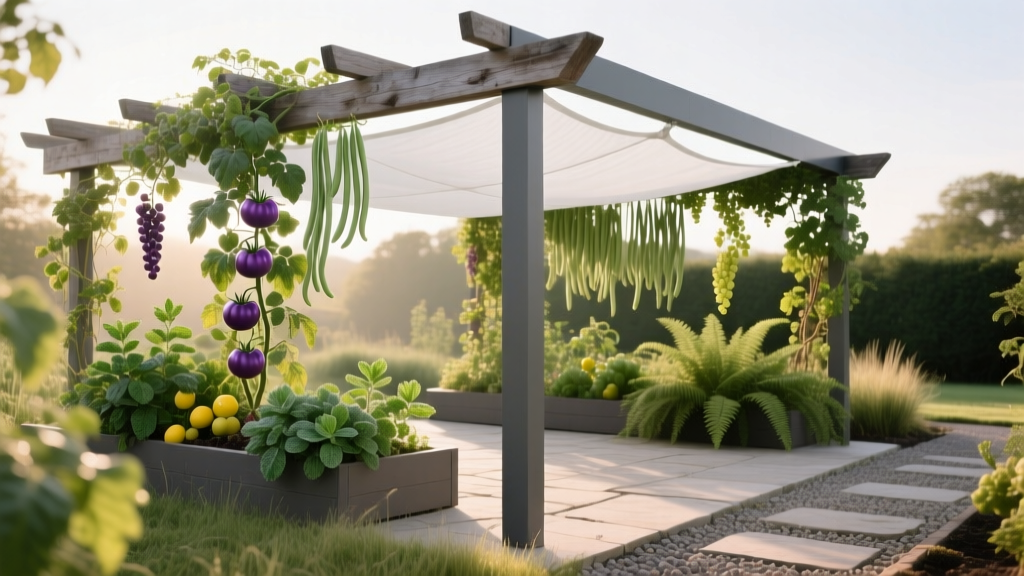
Build a Sunbrella Shade Sail Pergola for Foodscaping 2026
Robert HayesPublished
The Intersection of Hardscaping and Foodscaping in 2026
As we navigate the growing season of 2026, the concept of edible landscaping—commonly known as foodscaping—has evolved far beyond simple raised beds and backyard orchards. Homeowners and landscape architects are now prioritizing climate-resilient garden designs that merge functional hardscaping with high-yield agriculture. One of the most innovative and visually striking trends this year is the construction of pergolas equipped with Sunbrella shade sail canopies, specifically engineered to support and protect edible plant life.
With summer heatwaves becoming more intense and unpredictable, integrating a pergola with a high-quality shade sail is a top-tier strategy for protecting delicate edibles while creating a stunning outdoor living space. By combining the structural integrity of a pergola with the advanced UV-blocking technology of modern shade sails, you can create a microclimate that extends your growing season, prevents leaf scorch, and maximizes your garden's yield.
Why Choose a Sunbrella Shade Sail for Edible Landscapes?
When selecting outdoor fabrics for agricultural and lifestyle applications, the durability standards outlined by Sunbrella ensure that your canopy will withstand harsh weather without degrading or leaching harmful chemicals into your soil. Unlike cheap polyethylene tarps that break down into microplastics and trap excessive heat, Sunbrella's woven acrylic fabrics allow for vital airflow while diffusing harsh sunlight.
Microclimate Control and Crop Protection
Many highly nutritious leafy greens and herbs are notoriously sensitive to high heat. Crops like spinach, cilantro, and lettuce will quickly "bolt" (go to seed and turn bitter) when exposed to the relentless midday sun. A properly tensioned shade sail reduces ambient temperatures beneath the pergola by up to 15 degrees Fahrenheit. Furthermore, the fabric's breathable weave ensures that rainwater can gently permeate through to the understory plants, or you can opt for a solid waterproof variant with integrated drip-edges to channel rainwater into nearby rain barrels for sustainable irrigation.
Longevity and Food Safety
In 2026, food safety in the home garden is paramount. Sunbrella fabrics are treated with eco-friendly, non-toxic UV stabilizers that do not off-gas harmful volatile organic compounds (VOCs) onto your edible plants. The fabric's resistance to mold and mildew also ensures that your shaded canopy won't harbor fungal spores that could blight your tomatoes or cucumbers growing nearby.
Structural Design and Material Specifications
Building a pergola meant to support both a shade sail and heavy climbing edibles requires careful planning. The structure must handle the upward wind load of the tensioned sail and the downward weight of mature, fruit-bearing vines.
- Dimensions: A 12x12 foot or 10x14 foot footprint is ideal for a dual-purpose dining and growing space. This provides enough square footage for a dining table while leaving a 3-foot perimeter for raised beds or climbing planters.
- Posts: Use 6x6 rot-resistant Western Red Cedar or powder-coated structural aluminum. In 2026, cedar costs average around $18 to $24 per linear foot, while premium aluminum pergola kits range from $3,500 to $5,000. Aluminum is highly recommended for foodscaping as it will never rot from constant irrigation exposure.
- Footings: Dig post holes to a minimum depth of 36 inches (or below your local frost line) and set the posts in concrete using sonotubes to elevate the wood slightly above grade, preventing basal rot.
The Edible Plant Palette: Climbers and Understory Crops
The true magic of a foodscaping pergola lies in how you utilize the vertical and horizontal space. The posts serve as trellises for heavy climbing edibles, while the shaded ground beneath becomes a sanctuary for cool-weather crops. According to experts at GrowVeg, utilizing vertical structures for shade generation is one of the most efficient ways to double your garden's productivity in limited spaces.
| Plant Category | Recommended Varieties (2026) | Placement and Function |
|---|---|---|
| Hardy Climbing Vines | Issai Hardy Kiwi, Concord Grapes, Passionfruit | Trained up the pergola posts; provides additional natural shade and structural softening. |
| Annual Climbing Edibles | Malabar Spinach, Pole Beans, Tromboncino Squash | Twine-guided up the posts; yields high-calorie crops without taking up ground space. |
| Shade-Tolerant Greens | Swiss Chard, Arugula, Mesclun Lettuce Mix | Planted in raised beds directly beneath the sail; protected from bolting in summer heat. |
| Cool-Weather Herbs | Cilantro, Parsley, Chervil, Mint (in containers) | Understory planting; thrives in the dappled light created by the sail and vine canopy. |
| Groundcover Fruits | Alpine Strawberries, Creeping Thyme | Edging the pergola footings; suppresses weeds while providing small, flavorful yields. |
Training Vines on Hardscaping
When training heavy vines like grapes or kiwi up your pergola posts, avoid using nails or staples that can damage the structural integrity of the wood or scratch powder-coated aluminum. Instead, install heavy-duty, food-safe stainless steel eye hooks and use soft, biodegradable jute twine or stretchy silicone plant ties to guide the vines upward. By the time the vines reach the top beam, they will intertwine with the Sunbrella sail's hardware, creating a lush, living ceiling.
Step-by-Step Construction and Canopy Integration
Step 1: Site Preparation and Framing
Mark your footprint and dig your footings. Once the posts are set and plumb, install your double 2x10 or 2x12 main beams using structural carriage bolts. For the top rafters, space them 16 inches on center. While the shade sail will provide the primary coverage, the rafters offer a secondary mounting point for hanging baskets or lightweight vine supports.
Step 2: Mounting Hardware for the Shade Sail
Attaching a Sunbrella shade sail requires marine-grade stainless steel hardware to prevent rust stains from dripping onto your edible plants below. Install heavy-duty D-rings or pad eyes into the inner corners of your pergola beams. Use turnbuckles at each corner of the sail to allow for precise tensioning. The sail should be installed with a slight 10-degree pitch to encourage water runoff toward a designated garden bed or rain catchment system.
Step 3: Integrating Smart Irrigation
To keep your foodscaping pristine, hide your irrigation lines. Run poly-drip tubing up the inside of the pergola posts, securing them with copper wire or zip ties painted to match the post. At the top of the posts, connect a micro-sprinkler system that can mist the understory greens during peak heat. For general climate adaptation and heat mitigation strategies in home landscapes, the Old Farmer's Almanac recommends consistent, deep watering for shade-grown vegetables to ensure robust root development despite reduced direct sunlight.
2026 Smart Tech and Maintenance
This year, integrating smart garden technology into your hardscaping is easier than ever. Install wireless soil moisture sensors in your understory raised beds. Because the shade sail reduces evaporation rates significantly, you will need to adjust your watering schedules to prevent root rot. Connect these sensors to a smart irrigation controller that automatically adjusts drip line output based on real-time soil data and local weather forecasts.
Maintenance of your Sunbrella canopy is straightforward. Twice a year, gently brush off loose dirt and hose the fabric down. For stubborn organic stains from falling fruit or bird droppings, use a mild, plant-safe soap solution and a soft-bristle brush. Never use harsh chemical bleach near your foodscaping beds, as runoff can alter your soil pH and harm beneficial mycorrhizal fungi.
Conclusion
Building a pergola with a Sunbrella shade sail canopy is a masterclass in modern edible landscaping. It transforms a standard backyard into a multi-functional oasis that provides a cool retreat for your family and a protective, high-yield environment for your crops. By carefully selecting the right structural materials, climbing vines, and shade-tolerant understory plants, your 2026 foodscape will be as beautiful as it is productive, proving that sustainable hardscaping and abundant harvests can seamlessly coexist.

