
Landscaping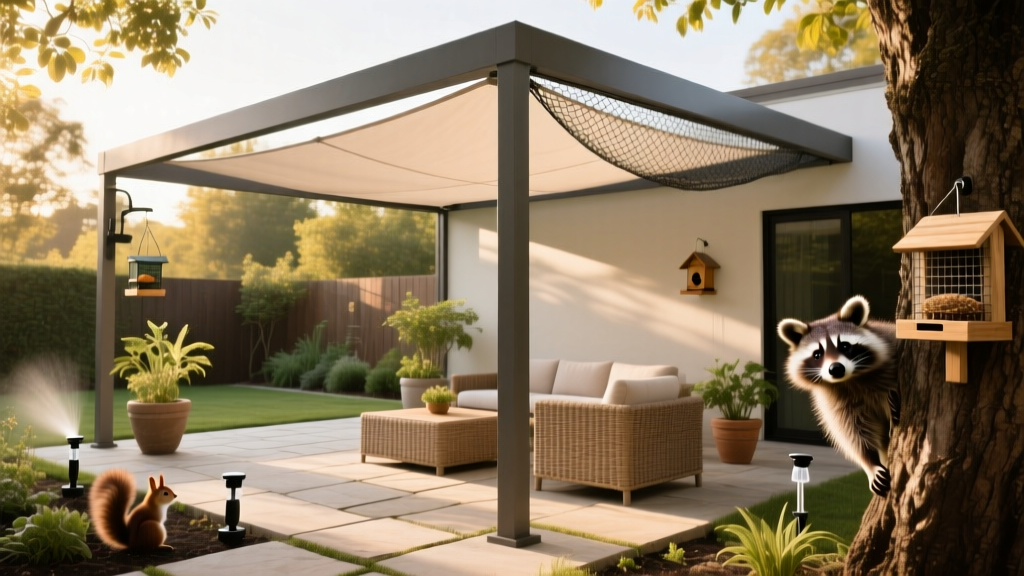
Wildlife-Safe Pergola & Sunbrella Shade Sail Build 2026
James MillerPublished
The Intersection of Outdoor Living and Wildlife Management
Designing an outdoor living space in 2026 requires a delicate balance between human comfort and the natural ecosystem. A beautifully constructed pergola topped with a premium Sunbrella shade sail canopy offers the perfect retreat from the sun, but it also inadvertently creates an irresistible habitat for local wildlife. From squirrels seeking high vantage points to birds looking for sheltered nesting sites, your backyard oasis can quickly become a target for yard animals if not properly planned. As landscaping trends in 2026 lean heavily toward seamless indoor-outdoor integration, managing the wildlife that shares your property has never been more critical.
Constructing a pergola with a Sunbrella shade sail canopy is a significant investment. According to current 2026 landscaping industry data, a custom 12x12 aluminum pergola with a high-tension shade sail can cost between $5,500 and $8,500. Protecting this investment from the chewing, scratching, and nesting habits of local fauna requires proactive material selection, specialized construction techniques, and strategic deterrents. This comprehensive guide will walk you through building a wildlife-resistant pergola and shade sail system that keeps your space pristine and your local animals safely at bay.
Why Pergolas and Shade Sails Attract Wildlife
To effectively manage yard animals, you must first understand why your pergola appeals to them. The USDA APHIS Wildlife Damage Management program notes that human-made structures often mimic natural ecological niches, providing shelter, food access, and safety from ground predators.
- Birds (Starlings, Pigeons, Sparrows): The crossbeams and rafters of a pergola offer ideal, sheltered ledges for nesting. If a shade sail is installed with inadequate tension, the resulting fabric folds create perfect, protected hammocks for birds to build nests and raise fledglings.
- Squirrels and Chipmunks: These rodents view wooden pergola posts as high-speed highways to access bird feeders, rooflines, and nearby trees. They also gnaw on wood to keep their incisors sharp, which can compromise structural integrity over time.
- Raccoons and Opossums: Nocturnal foragers love the dark, sheltered corners created by pergola footings and the shade provided by the canopy during the day. Rough-sawn timber posts act as natural scratching posts and climbing aids.
Material Selection: Deterring Pests from the Ground Up
The materials you choose in 2026 will dictate how attractive your pergola is to wildlife. While traditional cedar and redwood are beautiful, they are highly susceptible to woodpecker drumming, squirrel gnawing, and carpenter bee boring.
Opting for Aluminum and Composite
For a truly wildlife-resistant structure, powder-coated extruded aluminum is the gold standard in 2026. Aluminum posts and rafters cannot be chewed by rodents, bored by insects, or damaged by woodpeckers. If you prefer the look of wood, modern capped composite lumber offers a smooth, hard surface that lacks the tactile grip and organic scent that attract foraging animals.
The Sunbrella Advantage
When selecting your canopy, Sunbrella shade structures and fabrics remain the premier choice for wildlife-prone areas. The 2026 Horizon Series marine-grade acrylic fabrics feature a remarkably tight weave that resists tearing from bird beaks and squirrel claws. Unlike cheaper polyethylene shade sails that can fray and provide nesting material, Sunbrella's solution-dyed acrylic fibers do not unravel when scratched, denying birds the loose threads they need for nest building.
Step-by-Step Wildlife-Resistant Pergola Construction
Proper construction techniques eliminate the micro-habitats that animals exploit. Follow these steps to ensure your pergola footprint is secure.
1. Secure the Footings
Never bury wooden posts directly in the soil, as this invites termites, carpenter ants, and rot, which in turn attract foraging birds and mammals. In 2026, use heavy-duty galvanized or 316 stainless steel post bases anchored into concrete sonotubes. Elevate the post base at least two inches above the concrete pad to prevent water wicking and deny ground-dwelling insects a bridge to the wood.
2. Eliminate Hollow Cavities
If you are using composite or hollow aluminum posts, you must cap the tops and seal the bottoms. Uncapped hollow posts are prime real estate for cavity-nesting birds like chickadees and nuthatches, as well as hibernating insects. Use manufacturer-approved, wildlife-proof metal post caps.
3. Use Hidden Fasteners and Metal Hardware
Exposed lag screws and nails provide tiny ledges for insects and can be pried loose by curious raccoons. Utilize hidden bracket systems and structural screws designed for modern framing. For any exposed hardware, ensure it sits flush against the material.
Installing the Sunbrella Shade Sail Canopy Safely
The installation of the shade sail is where most wildlife conflicts occur. A poorly tensioned sail is a wildlife magnet; a properly tensioned sail is a wildlife deterrent.
High-Tension Hardware
Do not use nylon ropes or bungee cords to secure your Sunbrella shade sail. Ropes fray, providing excellent nesting material, and bungees degrade in UV light, leading to sagging fabric. Instead, use 316 marine-grade stainless steel turnbuckles and D-rings. These allow you to apply the necessary 150-200 lbs of tension per corner to keep the fabric drum-tight, eliminating the folds and pockets where birds attempt to nest.
Angle for Drainage and Debris Shedding
Install the sail with a minimum 20-degree pitch. This steep angle ensures that rainwater runs off quickly (preventing the stagnant water pools that attract mosquitoes and thirsty birds) and allows fallen leaves, pine needles, and animal droppings to slide off rather than accumulating on the canopy.
2026 Cost & Material Comparison Table
When planning your 2026 budget, consider the long-term savings of wildlife-resistant materials. While the upfront cost may be higher, you will save significantly on repairs, fabric replacements, and pest control services.
| Material / Component | Estimated 2026 Cost (12x12) | Wildlife Resistance Rating | Primary Wildlife Threats |
|---|---|---|---|
| Pressure-Treated Wood | $2,800 - $3,500 | Low | Termites, woodpeckers, squirrels, carpenter bees |
| Cedar / Redwood | $4,000 - $5,200 | Medium | Squirrel gnawing, bird nesting on rough bark |
| Capped Composite | $5,500 - $6,800 | High | Raccoon climbing (if textured), mold if shaded |
| Extruded Aluminum | $6,000 - $8,500 | Very High | None (highly resistant to all fauna) |
| Standard PE Shade Sail | $150 - $300 | Low | Fraying (nesting material), UV tearing, sagging |
| Sunbrella Acrylic Sail | $800 - $1,400 | Very High | Extreme predator scratching (rare) |
Proactive Wildlife Deterrent Strategies
Even with the best materials, determined animals may test your pergola. Implementing humane, proactive deterrents ensures your space remains exclusively for human enjoyment. The Humane Society of the United States recommends using exclusion and sensory deterrents rather than lethal methods to manage yard animals.
Bird Spikes and Optical Gels
If pigeons or starlings are persistent, install polycarbonate bird spikes along the top edges of the pergola rafters before attaching the shade sail hardware. Modern 2026 optical bird gels, which appear as burning fire to avian eyes but are invisible to humans, can be applied to the upper crossbeams to create a no-landing zone without altering the aesthetic of your pergola.
Squirrel Baffles and Post Sleeves
To stop squirrels from using your pergola posts as launching pads, install smooth metal post sleeves or cone baffles at least four feet off the ground. Squirrels require a textured surface to grip with their claws; a smooth, 24-inch metal sleeve completely neutralizes their climbing ability.
Scent and Ultrasonic Deterrents
Raccoons and opossums rely heavily on their sense of smell. Avoid leaving pet food, unsealed trash, or fallen fruit near the pergola. For an added layer of protection, motion-activated ultrasonic deterrents mounted discreetly on the pergola corners can emit high-frequency sounds that irritate mammals without bothering human ears or neighboring pets.
Maintenance and Cleaning Protocols
Wildlife management is an ongoing process. Animals mark their territory using scent glands and droppings. If a squirrel or raccoon leaves scent markers on your pergola posts, it will attract other animals to investigate. Wash the lower four feet of your pergola posts monthly with a mild enzymatic cleaner designed to break down animal proteins and pheromones.
For the Sunbrella shade sail canopy, brush off organic debris weekly. If bird droppings accumulate, clean them immediately using a soft bristle brush, cold water, and a mild soap like Woolite. Sunbrella's 2026 fabric treatments resist staining, but prolonged exposure to acidic bird droppings can eventually degrade the fabric's water-repellent finish. Re-treating the fabric with a fluorocarbon-based protectant every two years will maintain its slick surface, making it difficult for debris and animal waste to adhere.
Conclusion
Building a pergola with a Sunbrella shade sail canopy in 2026 is a fantastic way to elevate your landscaping and create a luxurious outdoor living space. However, ignoring the realities of local wildlife can turn your beautiful retreat into a damaged, unsanitary mess. By choosing wildlife-resistant materials like extruded aluminum and marine-grade Sunbrella fabrics, utilizing high-tension stainless steel hardware, and implementing humane deterrent strategies, you can enjoy the shade in peace. A well-planned pergola respects the boundaries between human comfort and the natural world, ensuring your backyard remains a sanctuary for you, not a habitat for them.

