Home & Garden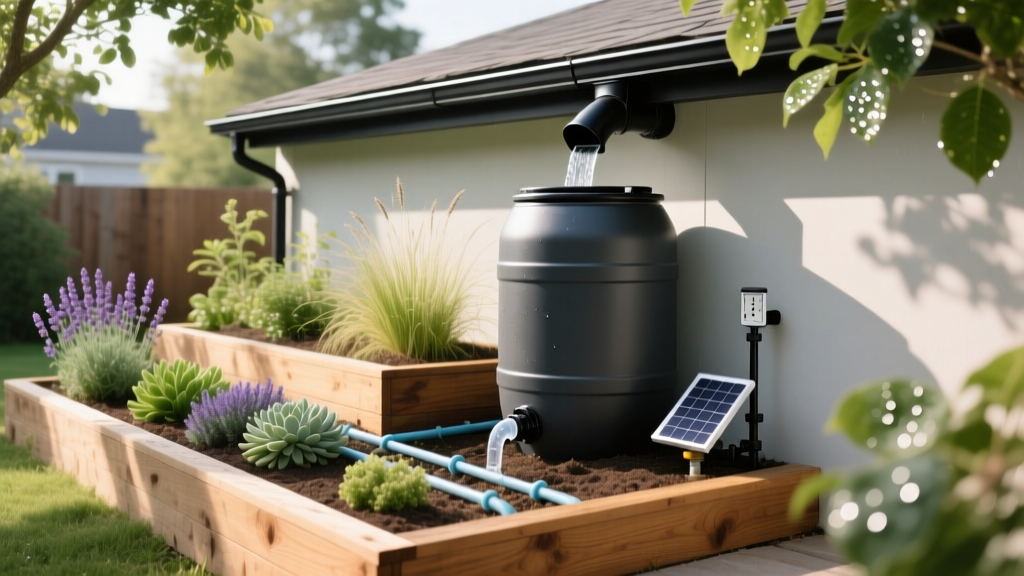
Eco-Friendly Rainwater Harvesting for Garden Irrigation
Anna KowalskiPublished
The Environmental and Financial Case for Rainwater Harvesting
As climate patterns shift and municipal water restrictions become more frequent, homeowners are actively seeking sustainable landscaping solutions. Bridging the gap between indoor conservation and outdoor vitality, rainwater harvesting stands out as one of the most effective eco-friendly practices available. According to the Environmental Protection Agency (EPA), the average American family uses 320 gallons of water per day, with nearly 30% devoted to outdoor uses. In arid and semi-arid regions, this outdoor water consumption can spike to 60% during peak summer months.
By capturing and repurposing precipitation, you not only slash your monthly utility bills but also mitigate the harmful effects of stormwater runoff. Unmanaged runoff sweeps fertilizers, pesticides, and urban debris into local watersheds, causing non-point source pollution. Harvesting this water at the source reduces the burden on municipal storm sewers and provides your garden with a superior, naturally soft water source that is completely free of the chlorine and fluoride found in treated city water.
Sizing Your Eco-Friendly Rain Barrel System
Before purchasing materials, it is crucial to calculate your roof's catchment potential to ensure your storage capacity aligns with your garden's irrigation needs and local rainfall patterns. The fundamental formula for calculating rainwater yield is straightforward:
Catchment Area (sq ft) x Rainfall (inches) x 0.623 = Gallons Harvested
For example, a modest 1,000-square-foot section of roof will yield approximately 623 gallons of water from just one inch of rain. If your region receives an average of 3 inches of rain per month during the growing season, that same roof section can generate over 1,800 gallons of free, sustainable irrigation water. To maximize efficiency, map out your downspouts and position your catchment systems near high-demand garden zones, such as vegetable beds or water-intensive perennial borders.
Essential Components of a Sustainable Setup
Building a system with a low environmental footprint means prioritizing upcycled, food-grade, or highly durable materials that will not leach microplastics or chemicals into your soil. Below is a comparison of essential components for an eco-conscious rainwater harvesting setup.
| Component | Eco-Friendly Material Choice | Estimated Cost | Lifespan & Eco-Impact |
|---|---|---|---|
| Storage Tank | Upcycled Food-Grade IBC Tote (275 Gal) | $100 - $150 | 10+ years. Diverts industrial plastic from landfills. |
| First-Flush Diverter | Recyclable ABS or Repurposed PVC Pipe | $30 - $50 | Indefinite. Prevents roof debris from contaminating soil. |
| Filtration Screen | Stainless Steel Mesh (Food-Grade) | $15 - $25 | Lifetime. Rust-proof and prevents mosquito breeding. |
| Base / Elevation | Reclaimed Cinder Blocks or Urbanite | $0 - $20 | Indefinite. Repurposes construction waste. |
| Distribution Pump | Solar-Powered On-Demand Water Pump | $120 - $180 | 5-8 years. Zero grid electricity reliance. |
Step-by-Step Installation Guide
Timing is everything. The best time to install your system is in early spring, just before the heavy seasonal rains begin, allowing you to test for leaks and calibrate your diverter. Follow these actionable steps for a gravity-fed or low-energy setup:
- Prepare the Base: Water is heavy, weighing roughly 8.34 pounds per gallon. A full 275-gallon IBC tote weighs over 2,300 pounds. Level the ground and create a base using reclaimed cinder blocks or compacted gravel. Elevate the tank 18 to 24 inches off the ground. This provides approximately 0.433 PSI per foot of elevation, which is enough to gravity-feed a drip irrigation line without the need for an electric pump.
- Install the First-Flush Diverter: The first 5 to 10 gallons of rain wash away bird droppings, pollen, and asphalt grit from your roof. A diverter routes this initial dirty water into a separate pipe, which slowly drains out via a trickle valve, ensuring only clean water enters your main tank.
- Connect the Downspout: Cut your existing aluminum downspout and attach a flexible corrugated diverter hose. Secure it to the tank's inlet with stainless steel hose clamps.
- Secure Overflow: Attach a bulkhead fitting near the top of the tank and route an overflow hose away from your home's foundation, directing it toward a rain garden or permeable swale to encourage natural groundwater recharge.
Garden-to-Table: Using Rainwater for Edible Landscapes
When irrigating edible gardens, water quality is paramount. While rainwater is generally pristine, the surface it is caught on can introduce contaminants. Research from Texas A&M AgriLife Extension highlights that while rainwater is excellent for edible landscapes, homeowners with older asphalt shingle roofs or treated wood shakes should take precautions.
Rainwater is naturally soft, free of chlorine, fluoride, and other municipal water additives, making it the superior choice for soil microbiome health and robust vegetable yields.
For garden-to-table setups, utilize drip irrigation tubing rather than overhead sprinklers. Drip lines deliver water directly to the root zone, minimizing the risk of waterborne pathogens splashing onto the leaves of leafy greens like lettuce or spinach. Furthermore, applying a 2-inch layer of organic mulch over your drip lines will reduce evaporation by up to 70%, ensuring your harvested water lasts through late-summer dry spells.
Smart Home Integration for Sustainable Irrigation
To truly modernize your eco-friendly setup, integrate your rainwater system with smart home technology. Devices like the Rachio 3 or B-hyve smart sprinkler controllers can be wired to an on-demand pump connected to your rain barrel. More importantly, these controllers utilize local Wi-Fi to access hyper-local weather data and evapotranspiration (ET) rates.
By pairing a smart controller with a soil moisture sensor placed in your garden beds, the system will automatically bypass irrigation if the soil already holds adequate moisture or if rain is in the forecast. This prevents the tragic irony of automated sprinklers running during a rainstorm, ensuring every drop of your harvested water is used with maximum efficiency.
Seasonal Maintenance and Winterization
Sustainability also means extending the lifespan of your equipment to prevent waste. Proper seasonal maintenance is non-negotiable.
- Spring: Clean out the first-flush diverter and scrub the stainless steel mesh inlet screen to remove winter debris and algae buildup.
- Summer: Add a mosquito dunk (Bti - Bacillus thuringiensis israelensis) to the tank every 30 days. Bti is a naturally occurring, eco-friendly bacterium that targets mosquito larvae without harming beneficial insects, pets, or soil biology.
- Autumn/Winter: If you live in a climate with freezing temperatures, you must winterize the system. Two weeks before the first expected hard freeze, open the spigot and completely drain the tank, pipes, and pump. Detach the diverter hose and store it in a shed to prevent UV degradation and freeze-cracking.
By adopting these eco-friendly rainwater harvesting methods, you transform your property into a resilient, self-sustaining ecosystem. You not only protect local watersheds and reduce your carbon footprint associated with municipal water treatment, but you also cultivate a thriving, vibrant garden that flourishes in harmony with nature's rhythms. For further reading on sustainable water catchment standards, the American Rainwater Catchment Systems Association (ARCSA) offers extensive resources and best-practice guidelines for residential systems.
