Home & Garden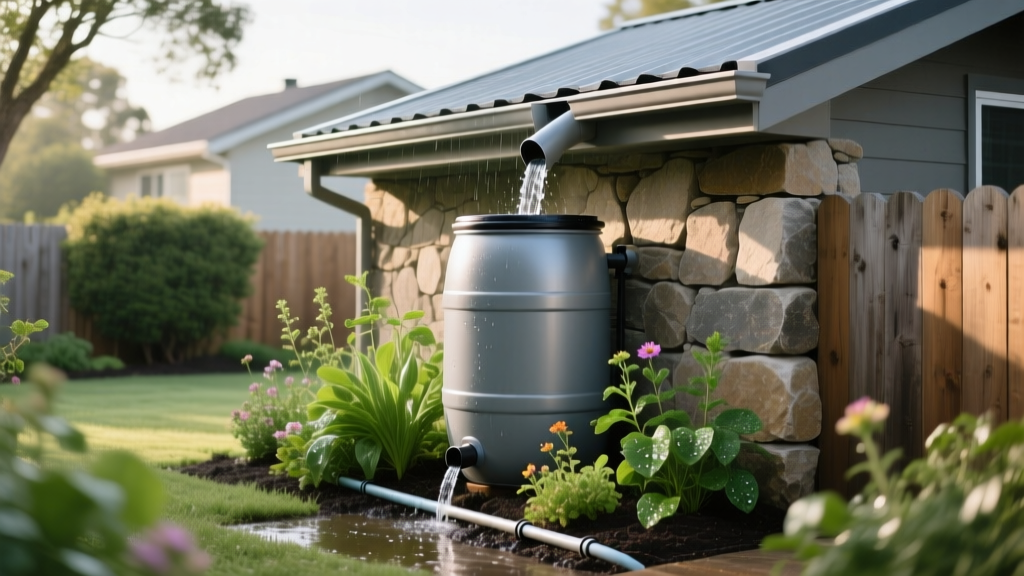
Sustainable Rainwater Harvesting for Eco-Friendly Gardens
James MillerPublished
The Rise of Eco-Friendly Rainwater Harvesting
As climate patterns shift and municipal water restrictions become more frequent across the globe, homeowners are increasingly turning to sustainable landscaping practices to maintain their outdoor spaces. Bridging the gap between indoor conservation and outdoor vitality, rainwater harvesting has emerged as a cornerstone of eco-friendly garden design. According to the United States Environmental Protection Agency (EPA), the average American family uses 320 gallons of water per day, with nearly 30% of that dedicated to outdoor uses, primarily landscape irrigation. By capturing and repurposing natural precipitation, you can drastically reduce your reliance on municipal water supplies, lower your utility bills, and foster a more resilient, self-sustaining garden ecosystem.
Rainwater harvesting is not merely about placing a barrel under a downspout; it is a calculated approach to water management that integrates roofing catchment, pre-filtration, strategic storage, and smart irrigation. Whether you are cultivating a garden-to-table vegetable patch, maintaining native drought-tolerant perennials, or simply looking to reduce your environmental footprint, a properly designed rainwater catchment system is one of the most impactful DIY garden projects you can undertake.
Why Choose Rainwater for Your Garden?
Municipal tap water and well water are often treated with chlorine, chloramines, and fluoride to ensure human safety. While safe for drinking, these chemicals can disrupt the delicate soil microbiome, harm beneficial mycorrhizal fungi, and accumulate salts that stunt plant growth. Rainwater, conversely, is naturally soft, slightly acidic, and completely free of these additives. This makes it the superior hydration source for acid-loving shrubs, delicate seedlings, and edible garden crops.
Furthermore, harvesting rainwater mitigates stormwater runoff. Unmanaged runoff washes fertilizers, pesticides, and topsoil into local waterways, contributing to algal blooms and ecosystem degradation. By capturing water at the source, you protect local watersheds while creating a decentralized water reserve that can sustain your landscape during dry spells.
Core Components of a Sustainable Catchment System
Building a reliable system requires understanding the journey of water from the sky to your soil. Here are the essential components required for a functional setup.
1. The Catchment Surface
Your roof serves as the primary catchment area. Unpainted, galvanized metal roofing is the gold standard for rainwater collection due to its smooth surface and high runoff efficiency (up to 95%). Asphalt shingles are also widely used but yield slightly less water (about 80-85% efficiency) due to surface texture and granule loss. If you plan to use the water for edible garden-to-table crops, avoid roofs treated with anti-algal copper coatings, lead-based paints, or creosote.
2. Gutters and Pre-Filtration
Standard 5-inch or 6-inch seamless aluminum or vinyl gutters are ideal. To prevent organic debris from entering your storage and causing anaerobic bacterial growth, install stainless steel micro-mesh leaf guards over the gutters and dome-shaped leaf strainers at the top of every downspout.
3. First Flush Diverters
The first few gallons of rain wash bird droppings, pollen, and atmospheric pollutants off your roof. A first flush diverter isolates this contaminated water before it reaches your storage tank. The Texas A&M AgriLife Extension recommends diverting a minimum of 1 to 2 gallons of runoff per 100 square feet of catchment area. A simple DIY diverter can be constructed using a 3-inch or 4-inch PVC pipe sealed at the bottom with a slow-drip release valve.
4. Storage Vessels
Storage options range from decorative 50-gallon rain barrels to massive 1,500-gallon underground cisterns. For above-ground systems, always select UV-resistant, food-grade High-Density Polyethylene (HDPE) or fiberglass tanks. Dark-colored or opaque tanks are mandatory to block sunlight, which prevents algae growth inside the reservoir.
Storage Vessel Comparison Chart
Choosing the right storage vessel depends on your budget, available footprint, and regional rainfall patterns. Below is a comparison of the most common eco-friendly storage options.
| Storage Type | Capacity | Material | Avg. Cost | Footprint | Best Application |
|---|---|---|---|---|---|
| Decorative Rain Barrel | 50 - 80 Gallons | UV-HDPE / Resin | $80 - $150 | 2' x 2' | Small urban gardens, container plants |
| Standard Drum | 55 Gallons | Food-Grade HDPE | $40 - $90 | 2' x 3' | Budget DIY setups, modular daisy-chains |
| IBC Tote | 275 - 330 Gallons | HDPE / Steel Cage | $150 - $300 | 4' x 4' | Medium lawns, extensive vegetable beds |
| Above-Ground Cistern | 1,000 - 2,500 Gal | Polyethylene | $1,500 - $3,500 | 8' x 8' | Large estates, full landscape irrigation |
Calculating Your Rainwater Yield
Before purchasing materials, calculate your potential harvest to size your system correctly. The standard formula for rainwater yield is:
Catchment Area (sq. ft.) × Rainfall (inches) × 0.623 = Gallons Harvested
For example, a 1,000-square-foot roof section receiving 1 inch of rain will yield approximately 623 gallons of water. If your region receives 30 inches of annual rainfall, that same roof section could theoretically produce over 18,600 gallons per year. Factor in an 85% efficiency rate to account for evaporation and splash loss, giving you a realistic expectation of your water budget.
Step-by-Step Installation Guide
Step 1: Prepare a Level, Load-Bearing Base
Water is incredibly heavy, weighing 8.34 pounds per gallon. A fully loaded 275-gallon IBC tote will weigh over 2,500 pounds. Never place a tank directly on bare soil or grass. Excavate a 4x4 foot area, lay down landscape fabric, and compact a 4-inch base of crushed gravel. Top this with interlocking concrete pavers to create a perfectly level, load-bearing pad that resists frost heave and settling.
Step 2: Elevate for Gravity Pressure
If you plan to irrigate using a standard garden hose or drip lines without an electric pump, gravity is your best friend. Elevating your rain barrel just two feet off the ground generates approximately 0.86 PSI (pounds per square inch) of pressure. While low, this is sufficient to run high-efficiency drip irrigation emitters and soaker hoses across a small garden bed. Use solid concrete cinder blocks or a purpose-built steel stand for elevation.
Step 3: Plumb the Diverter and Overflow
Connect your downspout to the first flush diverter using flexible corrugated piping or rigid PVC. From the diverter, run a 2-inch PVC pipe into the top of your storage tank. Crucially, you must install an overflow pipe near the top of the tank. Route this overflow away from your home’s foundation and into a designated rain garden, a French drain, or a permeable paver patio area to allow excess water to percolate safely back into the local aquifer.
Step 4: Integrate Smart Irrigation (Optional)
For a truly modern, eco-friendly setup, integrate a smart irrigation controller like the Rachio 3 or Orbit B-hyve. By installing a 12-volt solenoid valve at the base of your cistern and connecting it to a smart hub, you can automate your drip irrigation based on real-time local weather forecasts and soil moisture sensor data, ensuring you never waste a drop of your harvested rainwater.
System Maintenance and Winterization
A sustainable system requires seasonal maintenance to remain efficient and prevent damage.
- Spring Cleaning: Before the rainy season begins, flush out your gutters, clean the micro-mesh screens, and empty any stagnant water from the first flush diverter. Inspect all PVC joints for UV degradation or leaks.
- Summer Upkeep: Check for mosquito larvae. Ensure all tank inlets are sealed with fine 1/16-inch aluminum mesh to prevent mosquitoes from breeding in your stored water. If organic matter enters the tank and causes an odor, add a few drops of unscented household bleach or hydrogen peroxide to neutralize anaerobic bacteria (safe for ornamental plants once diluted).
- Autumn Winterization: In freezing climates, leaving water in your barrels will cause the HDPE plastic to crack and shatter as ice expands. Before the first hard freeze, completely drain your tanks, open the spigots, detach the downspout connections, and store flexible hoses indoors. Leave the tank valves open throughout the winter to prevent condensation buildup.
Conclusion
Investing in a rainwater harvesting system is a profound step toward sustainable homeownership. It bridges the gap between responsible environmental stewardship and practical landscape management. By capturing the rain, you not only nurture a healthier, more vibrant garden but also contribute to the broader conservation of our most precious natural resource. Whether you start with a single 55-gallon drum or install a multi-tote cistern array, every drop harvested is a victory for your garden and the planet.
