Home & Garden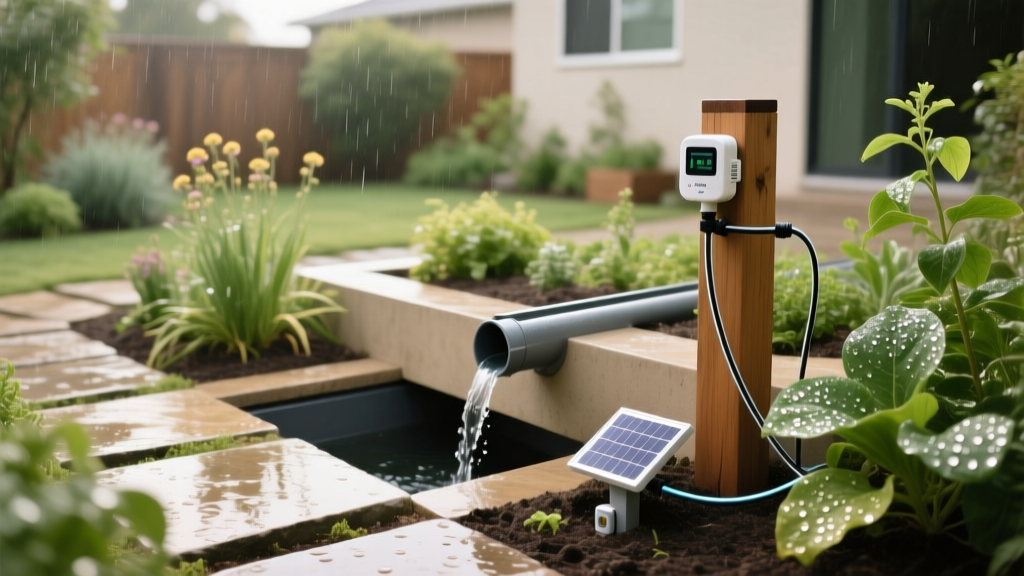
Eco-Friendly Rainwater Harvesting for Smart Garden Irrigation
James MillerPublished
The Environmental Imperative of Sustainable Irrigation
As homeowners increasingly seek ways to bridge the gap between luxurious outdoor living and environmental stewardship, the traditional approach to landscape irrigation is undergoing a massive overhaul. Maintaining a lush, vibrant garden no longer requires an exorbitant municipal water bill or the depletion of local aquifers. By combining ancient water conservation techniques with modern smart home technology, you can create a closed-loop irrigation system that is both eco-friendly and highly efficient.
According to the EPA WaterSense program, outdoor water use accounts for nearly 30% of total household water consumption, with some homes in arid climates using up to 60% of their daily water outdoors. Much of this water is lost to evaporation, wind, and runoff due to inefficient scheduling. Transitioning to a rainwater harvesting system integrated with a smart irrigation controller directly addresses this waste, capturing free, naturally soft water and deploying it only when your soil truly needs it.
The Mathematics of Catchment: Sizing Your System
Before purchasing any equipment, you must calculate your roof's catchment potential. The formula for determining rainwater yield is straightforward: Catchment Area (in square feet) multiplied by Rainfall (in inches) multiplied by 0.623 equals the total Gallons harvested.
For example, a modest 1,500-square-foot roof section receiving just one inch of rainfall will yield approximately 934 gallons of water. In a region that receives 30 inches of annual rainfall, that same roof footprint can capture over 28,000 gallons per year. To maximize this potential, most eco-conscious homeowners install a 1,000 to 1,500-gallon polyethylene cistern, which provides enough buffer capacity to sustain a garden through dry spells of two to three weeks.
Core Hardware Components for Clean Water Storage
A successful rainwater harvesting system requires more than just a barrel and a downspout. To protect your smart irrigation valves and drip emitters from clogging, the water must be meticulously filtered before it enters the storage tank.
1. Gutter Guards and Leaf Eaters
Install stainless steel micro-mesh gutter guards to prevent large debris like leaves and pine needles from entering the system. At the downspout transition, a 'leaf eater' or rain head screen provides a secondary defense, allowing water to flow into the pipe while shedding larger organic matter.
2. First Flush Diverters
The first few gallons of rain wash bird droppings, pollen, and roof grit into the system. A first flush diverter captures this initial contaminated water in a sealed PVC pipe. A slow-release valve empties the diverter after the storm, ensuring it is reset for the next rainfall. The general rule of thumb is to divert at least one gallon of water for every 100 square feet of roof catchment area.
3. The Cistern and Pre-Tank Filtration
Food-grade, UV-stabilized polyethylene tanks are the industry standard for residential storage. Before the water enters the tank, it should pass through a vortex or calming inlet filter to oxygenate the water and prevent sediment from stirring up at the bottom of the cistern.
Bridging the Gap: Smart Home Irrigation Integration
Storing the water is only half the battle; distributing it efficiently is where smart home technology shines. Because rainwater cisterns rely on gravity or mechanical pumps rather than municipal water pressure, your irrigation system must be specifically calibrated to handle variable flow rates.
Pump Selection and Pressure Regulation
To power a standard sprinkler or drip irrigation system, you will need a submersible pump (typically 1/2 HP to 1 HP) placed directly inside the cistern or a jet pump housed in a weatherproof enclosure nearby. Drip irrigation requires low pressure (15 to 30 PSI), so installing a pressure regulator and a 120-mesh disc filter at the pump's outflow is critical to prevent emitter blowouts and clogs.
Weather-Based Irrigation Controllers (WBICs)
Integrating a smart controller, such as a Rachio 3 or Weathermatic SmartLink, transforms your rainwater system into an autonomous, eco-friendly machine. As highlighted by the EPA's guidelines on smart irrigation controllers, WBICs use local weather data, evapotranspiration (ET) rates, and soil moisture sensors to adjust watering schedules dynamically. If your cistern's water level drops below 20%, a smart float switch can automatically trigger a motorized backup valve to supplement the system with municipal water, ensuring your landscape survives extended droughts without manual intervention.
Investment and Return on Investment (ROI)
While the upfront costs of a comprehensive rainwater harvesting and smart irrigation system are higher than a standard hose-and-timer setup, the long-term environmental and financial returns are substantial. Below is a breakdown of average costs for a mid-sized residential setup.
| System Component | Estimated Cost | Eco-Benefit & Function |
|---|---|---|
| 1,000-Gallon Poly Cistern | $800 - $1,200 | Massively reduces municipal water demand and stormwater runoff. |
| First Flush & Filtration Kit | $150 - $250 | Prevents soil contamination and protects irrigation hardware. |
| 1/2 HP Submersible Pump | $250 - $400 | Provides necessary PSI for efficient drip and rotor distribution. |
| Smart Irrigation Controller | $150 - $250 | Eliminates overwatering by syncing with real-time weather data. |
| Soil Moisture Sensors (x3) | $100 - $150 | Ensures water is only deployed when root zones are actually dry. |
| Plumbing, Wiring, & PVC | $300 - $500 | Creates a sealed, leak-free delivery network. |
Depending on your local water rates and municipal rebate programs for green infrastructure and rainwater harvesting, the system can pay for itself in three to five years while simultaneously increasing your property value.
Step-by-Step Installation Overview
Installing this system is a rewarding DIY project for those with intermediate plumbing and electrical skills, though hiring a licensed professional for the pump wiring and smart controller integration is always recommended.
- Site Preparation: Level a pad of crushed gravel near your downspouts to support the cistern. A 1,000-gallon tank weighs over 8,000 lbs when full, so a stable, compacted base is non-negotiable.
- Plumbing the Catchment: Route your downspouts through the leaf eater and first flush diverter, then connect the overflow to a French drain or rain garden to manage excess water safely away from your home's foundation.
- Pump and Electrical Setup: Lower the submersible pump into the cistern. Run the electrical conduit to a GFCI-protected outdoor outlet or a dedicated breaker, ensuring all connections are watertight.
- Controller Integration: Mount your smart controller in your garage or on an exterior wall. Connect the pump's relay to the controller's master valve terminal so the pump only activates when a watering zone is open.
- Zone Calibration: Program your smart app with your specific soil type, plant types, and sun exposure. Run a manual test to check for leaks and adjust the pressure regulator to match your drip emitters' requirements.
Seasonal Maintenance and Winterization
To ensure the longevity of your eco-friendly system, seasonal maintenance is required. In the spring, clean out the first flush diverter and inspect the micro-mesh filters. During the summer, monitor the cistern's algae growth; keeping the tank completely opaque and sealed from sunlight will naturally inhibit algae without the need for chemical treatments.
If you live in a climate with freezing winter temperatures, winterization is critical. Before the first freeze, drain the cistern below the pump level, remove the submersible pump, and store it indoors. Open all manual drain valves on your irrigation lines and use an air compressor to blow out residual water from the PVC pipes and smart valves to prevent catastrophic cracking.
Pro Tip: Always install a manual bypass valve between your rainwater cistern and your municipal backup line. This ensures your smart irrigation system never runs dry during extended droughts, protecting your pump from burning out and your landscape from wilting.
Conclusion
Embracing eco-friendly and sustainable methods in your outdoor living space does not mean sacrificing convenience or aesthetic beauty. By harvesting rainwater and pairing it with intelligent, weather-responsive irrigation technology, you create a resilient, self-sustaining garden. This approach not only lowers your utility bills and reduces strain on local water infrastructure but also fosters a deeper, more mindful connection to the natural rhythms of your local environment.
