Home & Garden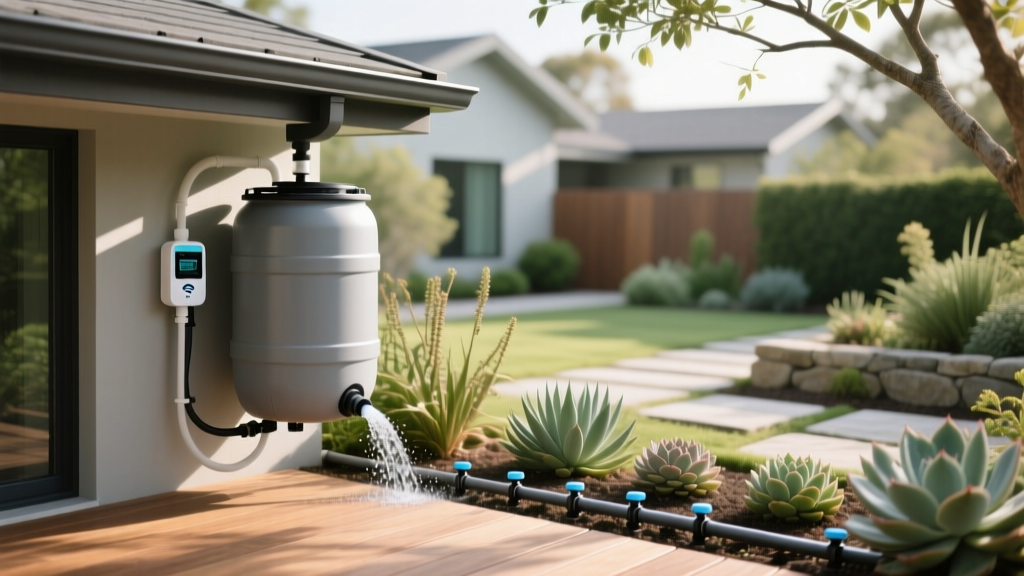
Sustainable Smart Irrigation and Rainwater Harvesting
Sarah ChenPublished
The Environmental Imperative for Sustainable Landscaping
The modern home garden is evolving from a purely aesthetic endeavor into a highly functional, eco-conscious ecosystem. As homeowners seek to bridge the gap between indoor smart home technology and outdoor sustainability, the integration of rainwater harvesting with smart WiFi irrigation controllers has emerged as a premier solution. This approach not only conserves vital municipal water resources but also promotes healthier plant growth through the use of naturally soft, chemical-free rainwater.
According to the Environmental Protection Agency (EPA), outdoor water use accounts for nearly 30 percent of total household water consumption, with landscape irrigation making up the lion's share. In arid and semi-arid regions, this figure can skyrocket to 60 percent or more. By shifting away from traditional, timer-based sprinkler systems that blindly water during rainstorms, and instead harnessing free, naturally occurring precipitation, homeowners can drastically reduce their environmental footprint and utility bills.
Core Components of an Eco-Friendly Irrigation Ecosystem
Building a closed-loop, sustainable irrigation system requires three primary components working in perfect harmony: the catchment and storage system, the intelligent control hub, and the targeted water delivery network.
1. Rainwater Catchment and Storage
The foundation of any rainwater harvesting system is the catchment area, typically your home's roof. The math behind rainwater harvesting is surprisingly generous: a mere one inch of rain falling on a 1,000-square-foot roof yields approximately 600 gallons of water. To capture this, you need a robust gutter system that feeds into a storage vessel.
- Storage Vessels: For beginners, food-grade 55-gallon polyethylene barrels are an affordable entry point. For larger gardens, upgrading to a 250-gallon or 500-gallon IBC (Intermediate Bulk Container) tote provides substantial reserves.
- Filtration: Installing a first-flush diverter and a stainless-steel mesh leaf screen at the gutter downspout is critical. This prevents organic debris, bird droppings, and roof particulates from entering your storage tank and eventually clogging your irrigation emitters.
- Pumping: Because gravity alone rarely provides enough pressure for modern irrigation, a submersible utility pump (rated around 1/2 HP) or an on-demand diaphragm pump is required to push water through the system.
As noted by researchers at Penn State Extension, properly sized rainwater harvesting systems can supply a significant portion of a household's non-potable water needs, including extensive garden irrigation, thereby reducing strain on municipal water supplies during peak summer droughts.
2. Smart WiFi Irrigation Controllers
Traditional timers operate on a fixed schedule, completely ignoring the actual needs of your soil or the local weather. Smart WiFi controllers (such as the Rachio 3, Orbit B-hyve, or Rain Bird ESP-TM2 with WiFi module) utilize real-time local weather data and Evapotranspiration (ET) rates to adjust watering schedules dynamically.
When you integrate a smart controller with a rainwater pump, you can utilize the controller's 'master valve' or 'pump start relay' terminals. This ensures the pump only runs when the smart controller actively calls for water, preventing pump burnout and ensuring water is only drawn from the rain barrel when absolutely necessary. Furthermore, these controllers can be linked to wireless soil moisture sensors, ensuring that if the soil already holds adequate moisture, the system overrides the schedule entirely.
3. Drip Irrigation and Micro-Sprayers
Sprinkler heads lose massive amounts of water to wind drift and evaporation. Sustainable landscaping demands targeted delivery. A drip irrigation network utilizes 1/2-inch polyethylene mainlines and 1/4-inch micro-tubing to deliver water directly to the root zone of your plants.
- Pressure Regulation: Rainwater pumps can output erratic pressure. Installing a 25 PSI pressure regulator immediately after the pump and backflow preventer is mandatory to prevent blown drip fittings.
- Emitters: Use 1 GPH (Gallon Per Hour) pressure-compensating emitters for shrubs and perennials, and inline drip tape with 12-inch spacing for vegetable garden rows.
System Sizing and Cost Breakdown
Transitioning to a smart, eco-friendly system requires an upfront investment that pays dividends over time. Below is a comparison of the estimated costs and water efficiency of a traditional setup versus a sustainable smart-rainwater hybrid for a standard 500-square-foot garden bed.
| Component / Metric | Traditional Spray System | Smart Drip + Rainwater Hybrid |
|---|---|---|
| Controller Type | Standard Timer ($40) | WiFi Smart Controller ($150) |
| Water Source | Municipal / Well | Roof Catchment (Free) |
| Delivery Method | Overhead Spray Heads | Pressure-Compensating Drip |
| Storage & Pump | N/A | 250-Gal IBC + 1/2 HP Pump ($350) |
| Estimated Installation Cost | $150 - $250 | $600 - $850 |
| Water Loss to Evaporation | 30% - 50% | Less than 5% |
| Annual Municipal Water Savings | $0 | $150 - $300+ |
Step-by-Step Integration Guide
Integrating these technologies requires careful sequencing to ensure the smart controller and the rainwater pump communicate safely.
Step 1: Prepare the Catchment and Pump
Elevate your rain barrel or IBC tote on a reinforced cinder block platform at least 18 inches off the ground. This provides necessary head pressure and allows room for plumbing beneath the tank. Install a 3/4-inch brass bulkhead fitting near the bottom of the tank. Attach a mesh filter, followed by your pump's intake line. Ensure the pump is housed in a ventilated, weatherproof enclosure to protect its electronics from UV degradation and rain.
Step 2: Wire the Pump Start Relay
This is the most critical technical step. Most smart controllers feature a 'Pump Start Relay' (PSR) circuit. Wire a 24V AC irrigation pump start relay to the PSR terminals on your smart controller. Connect the relay's high-voltage side to your water pump. When the smart controller opens the zone valve, it simultaneously energizes the relay, turning on the pump. This synchronized operation prevents the pump from running against a closed valve, which could cause catastrophic pipe failure.
Step 3: Install the Backflow Preventer and Filter
Even if you are only using rainwater, local plumbing codes often require a backflow preventer to ensure no non-potable water can ever siphon back into a municipal line (especially if you have an auto-fill valve connected to your rain barrel). Install a Y-filter with a 120-mesh screen immediately after the backflow preventer to catch any microscopic algae or debris that bypassed the barrel's first-flush diverter.
Step 4: Configure the Smart Controller for Drip
Open your smart controller's mobile application and configure your zones specifically for 'Drip Irrigation' or 'Micro-Spray'. This alters the algorithm's baseline assumptions regarding application rates. Set the root zone depth to match your plant types (e.g., 6 inches for turf and annuals, 15 inches for deep-rooted shrubs). Enable 'Rain Skip' and 'Freeze Skip' features, and link the system to your local weather station for hyper-accurate ET adjustments.
Seasonal Maintenance and Winterization
An eco-friendly system must be maintained to ensure longevity and prevent water waste. Because rainwater harvesting systems are highly susceptible to freezing, seasonal winterization is non-negotiable in temperate and cold climates.
Pro-Tip for Winterization: Never leave water sitting in your rain barrels or drip lines during freezing temperatures. The expansion of freezing water will crack polyethylene barrels and shatter rigid PVC fittings.
- Late Autumn: Disconnect the pump, drain it completely, and store it indoors. Open the drain valves on all rain barrels and leave the spigots open. Detach the smart controller from its outdoor mounting bracket and bring it inside to protect the LCD screen and internal circuitry from extreme cold.
- Blow Out the Lines: Use a portable air compressor set to a maximum of 20 PSI to blow out any residual water from the 1/2-inch drip mainlines. High pressure will blow the emitters right out of the tubing.
- Spring Commissioning: Inspect the roof gutters for winter debris. Clean the first-flush diverter and the 120-mesh Y-filter. Reconnect the pump, prime it with water to prevent dry-running, and run a manual test cycle from the smart app to check for leaks or blown emitters before resuming automated schedules.
Long-Term Sustainability and ROI
The transition to a sustainable smart irrigation and rainwater harvesting system is a profound step toward self-reliant, eco-friendly homeownership. While the initial setup requires an investment of time and capital, the return on investment is multifaceted. Financially, the elimination of outdoor municipal water usage during the peak summer months often allows the system to pay for itself within two to three growing seasons.
Environmentally, the benefits extend far beyond your property line. By capturing stormwater runoff, you reduce the burden on municipal storm drains, mitigating localized flooding and preventing fertilizers and pesticides from washing into local watersheds. Furthermore, plants irrigated with untreated, naturally soft rainwater are free from the chlorine, chloramines, and high mineral salts found in municipal water, resulting in more vigorous growth, higher yields in garden-to-table vegetable beds, and a more vibrant, resilient landscape. By embracing smart technology and natural resources, you transform your garden into a thriving, sustainable sanctuary.
