
Landscaping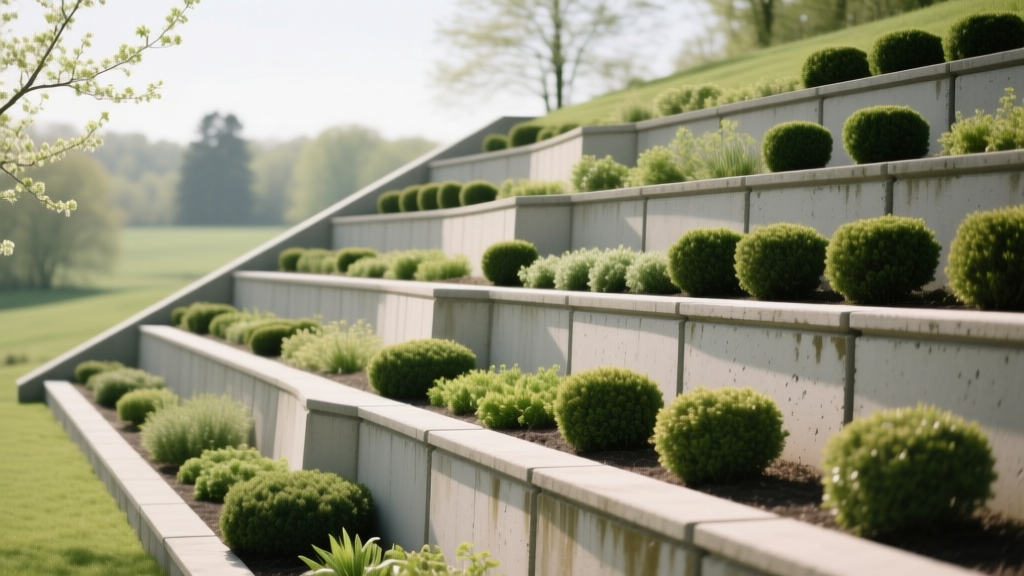
Terraced Retaining Wall Plant Pruning & Timing Guide 2026
Lisa ThompsonPublished
The Intersection of Hardscaping and Horticulture in 2026
As landscaping trends evolve in 2026, sloped backyard terracing using segmental retaining walls (SRWs) remains one of the most effective ways to maximize usable outdoor space while mitigating erosion. However, the structural integrity of these terraced landscapes relies heavily on a factor many homeowners and even novice landscapers overlook: precise plant pruning methods and seasonal timing. When you introduce deep-rooted shrubs, cascading groundcovers, and ornamental grasses to the tiered beds of a sloped backyard, their growth habits directly interact with the engineering of your retaining wall. Improperly maintained vegetation can trap moisture against concrete blocks, infiltrate drainage aggregates, and ultimately compromise the geogrid reinforcement systems that keep your terraces from collapsing.
Why Pruning Matters for Segmental Retaining Walls
Segmental retaining walls rely on free-draining aggregate and precise soil reinforcement to manage the immense hydrostatic pressure of a sloped backyard. According to the National Concrete Masonry Association (NCMA), proper drainage behind the wall blocks is non-negotiable for long-term structural stability. When terrace plants are left unpruned, their dense canopies trap moisture and block sunlight, creating a perpetually damp environment against the wall's face. This leads to efflorescence (a white, powdery mineral deposit) and accelerates freeze-thaw spalling in colder climates. Furthermore, overgrown shrubs become top-heavy, increasing wind load and leverage on the root ball, which can pull soil away from the wall's drainage zone and create voids that destabilize the terrace.
Core Pruning Methods for Terraced Slopes
To maintain both the aesthetic beauty of your terraced garden and the engineering integrity of your SRW, you must employ specific pruning techniques tailored to the unique microclimates of retaining wall beds.
1. Thinning Cuts for Airflow and Moisture Control
Thinning involves removing entire branches back to their point of origin or to a lateral branch that is at least one-third the diameter of the removed branch. This method opens the plant's canopy, allowing sunlight to reach the terrace soil and air to circulate against the retaining wall blocks. The University of Minnesota Extension emphasizes that proper thinning cuts should always be made just outside the branch bark ridge and collar to promote rapid healing. By thinning out dense shrubs like viburnum or hydrangeas planted near the wall's edge, you prevent moisture from being trapped against the concrete, significantly reducing the risk of algae growth and mineral leaching.
2. Renewal Pruning for Shrub Weight Management
Multi-stemmed deciduous shrubs are incredibly popular for terraced landscaping due to their vibrant seasonal colors. However, if left to grow unchecked, their center becomes a tangled mass of dead wood that acts like a sponge, holding excess water and over-saturating the terrace soil. Clemson University's Home & Garden Information Center advocates for renewal pruning, which involves cutting one-third of the oldest, thickest canes completely to the ground each year. This keeps the shrub compact, reduces the overall weight and wind-sail effect on the terrace edge, and encourages fresh, vigorous growth that stabilizes the topsoil without sending massive, wall-disrupting taproots into the drainage gravel.
3. Directional Pruning and Creeping Plant Management
Cascading plants like creeping juniper, cotoneaster, and trailing rosemary are frequently used to soften the harsh, straight lines of segmental retaining wall caps. While visually stunning, these plants naturally seek out crevices to send down adventitious roots. If these roots penetrate the joints between the SRW blocks, winter freeze-thaw cycles will cause the roots to expand, heaving the blocks out of alignment. Directional pruning involves selectively cutting back the leading edges of these cascading plants so they drape beautifully over the lip of the wall but remain suspended an inch or two above the lower terrace. Never allow cascading foliage to touch the soil of the lower tier, as this will trigger rooting into the wall structure.
Seasonal Timing: When to Prune Terrace Vegetation
Timing your pruning correctly is just as critical as the method, especially on sloped terrains where soil stability is constantly tested by gravity and water runoff.
Late Winter to Early Spring (Dormancy)
The optimal window for structural thinning and renewal pruning of deciduous shrubs on your terraces is late winter, just before the spring sap run begins. At this time, the plants are fully dormant, minimizing stress and sap loss. Pruning during this window also allows you to clearly see the branch architecture without foliage in the way. More importantly, completing major cuts before the spring rains arrive ensures that the plants can quickly callus over their wounds, preventing waterborne pathogens from entering the root system and causing rot near the wall's geogrid layers.
Post-Bloom for Spring-Flowering Shrubs
For popular terrace plants like forsythia, lilac, and azaleas, pruning must be delayed until immediately after their spring flowers fade. Pruning these species in winter would remove the flower buds formed the previous summer. By waiting until late spring or early summer, you preserve the aesthetic appeal of your terraced landscape while still allowing the plant enough time to set new buds and harden off before the next winter's freeze-thaw cycles test the retaining wall.
Late Summer Pruning Restrictions
Avoid heavy pruning of terrace shrubs in late summer (August and September). Late-season cuts stimulate tender new growth that will not have time to harden off before the first frost. When this new growth dies back in winter, it creates entry points for disease and leaves the plant vulnerable to winter desiccation. A dead, brittle shrub on a terrace edge provides zero erosion control and its decaying root mass can leave voids in the soil directly behind the retaining wall.
2026 Plant Selection and Pruning Schedule Matrix
The following table outlines the best practices for managing common terraced landscape plants in 2026, ensuring they complement rather than compromise your segmental retaining wall.
| Plant Category | Example Species | Pruning Method | Ideal Timing | SRW Impact Risk if Unpruned |
|---|---|---|---|---|
| Cascading Groundcover | Creeping Juniper, Cotoneaster | Directional edge trimming; prevent lower-tier rooting | Early Spring | Roots infiltrate block joints; freeze-thaw heaving |
| Deciduous Flowering Shrub | Hydrangea, Forsythia | Thinning cuts for airflow; post-bloom shaping | Post-Bloom / Late Winter | Trapped moisture causes wall efflorescence and algae |
| Multi-Stem Privacy Shrub | Red Twig Dogwood, Viburnum | Renewal pruning (1/3 oldest canes to ground) | Late Winter (Dormant) | Top-heavy wind load pulls soil from drainage zone |
| Ornamental Grass | Fountain Grass, Miscanthus | Hard cut-back to 4 inches above crown | Early Spring (Pre-growth) | Dead thatch traps snowmelt, over-saturating wall base |
| Upright Evergreen | Boxwood, Dwarf Yew | Light shearing; interior thinning for light penetration | Early Summer | Dense shade promotes moss on wall blocks and soil rot |
Integrating 2026 Smart Irrigation with Pruning Schedules
In 2026, the integration of smart drip irrigation systems with soil moisture sensors is standard practice for high-end terraced landscapes. These sensors are typically placed in the root zones of the terrace beds to monitor hydration levels and automate watering. However, dense, unpruned canopies can intercept light rainfall and block the sun, leading to inaccurate sensor readings and chronic overwatering. Overwatering is the primary enemy of segmental retaining walls, as it increases the lateral earth pressure behind the blocks. By maintaining a thinned, properly pruned canopy, you allow ambient sunlight to reach the soil surface, ensuring that your smart irrigation sensors function accurately and that the terrace soil maintains the optimal moisture content required to protect the wall's drainage aggregate.
Expert Tips for Long-Term Wall Integrity
Finally, always sanitize your pruning tools with a 10% bleach solution or isopropyl alcohol between plants, especially when working on terraced slopes where a soil-borne pathogen could rapidly spread through the interconnected root systems stabilizing your retaining wall beds. If you notice any signs of retaining wall bulging, leaning, or excessive weeping from the drainage pipes after heavy spring rains, evaluate the plantings above the wall. Often, an overgrown, unpruned shrub with a massive, water-logged root ball is the hidden culprit adding thousands of pounds of unauthorized lateral pressure to your beautifully engineered backyard terrace.

