Gardening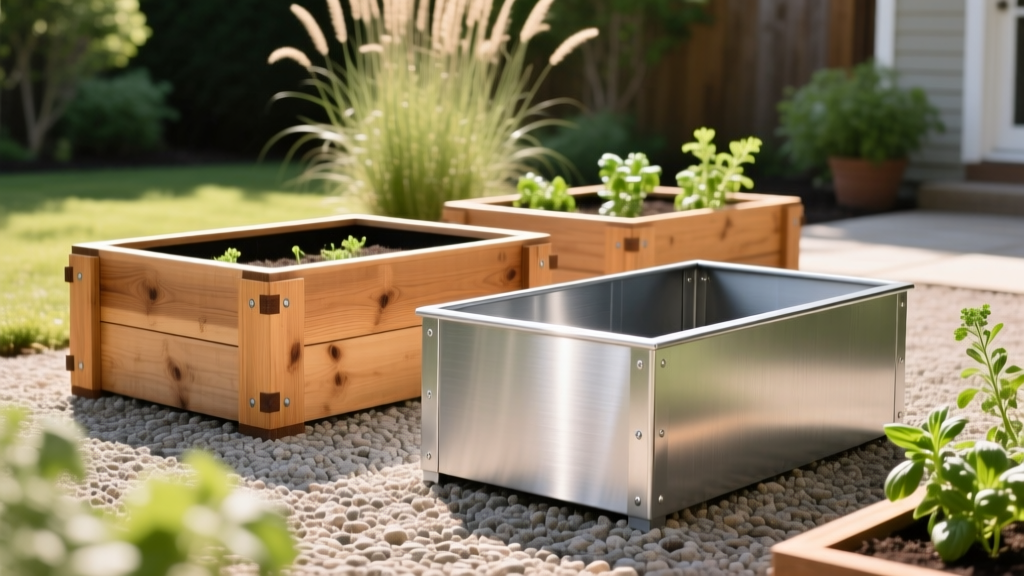
The Best Raised Bed Garden Kits: Wood vs Metal Compared
Lisa ThompsonPublished
The Ultimate Showdown: Wood vs. Metal Raised Bed Kits
Building a thriving vegetable or flower garden starts with the right foundation. For home gardeners, raised bed garden kits have become a popular way to work around poor native soil, improve drainage, and cut down on weeds. With so many options out there, the most common question is simple: wood or metal?
Top Wood Raised Bed Garden Kits Reviewed
Wood has been the go-to material for raised beds for decades. It looks natural in the garden and helps keep plant roots at a steadier temperature. Untreated cedar or redwood are the best wood choices—they resist rot and insects without chemical treatment.
1. Gronomics Rustic Cedar Raised Bed (4x8 ft)
The Gronomics Rustic Cedar kit is built for gardeners who want something that lasts but doesn’t require power tools to put together. It’s made from Western Red Cedar, with a rough-sawn exterior that looks good right out of the box. At 4 feet wide by 8 feet long and 11 inches deep, it gives you 32 square feet of growing space.
- Assembly: Tool-free, slip-together design takes about 15 minutes.
- Cost: Approximately $160 to $190.
- Lifespan: 10 to 15 years depending on climate and how much contact it has with the ground.
- Pros: Easy to assemble, naturally rot-resistant, thick 1.5-inch boards hold up well over time.
- Cons: Higher upfront cost; 11-inch depth may mean tilling the soil underneath for crops like carrots.
2. Greenes Fence Cedar Raised Garden Bed (4x4 ft)
The Greenes Fence 4x4 ft cedar bed is a solid pick for beginners or gardeners with limited space. Its dovetail joints let you slide the boards into corner posts—no tools needed. At 10.5 inches deep, it works well for leafy greens, herbs, and shallow-rooted flowers.
- Assembly: Tool-free dovetail joints, 10 minutes.
- Cost: Approximately $75 to $90.
- Lifespan: 7 to 10 years.
- Pros: Affordable, compact, lightweight enough to move before filling.
- Cons: Thinner boards (about 0.75 inches) can bow outward if the soil stays too wet; needs a flat, level surface to keep the joints snug.
Top Metal Raised Bed Garden Kits Reviewed
Metal raised beds—especially those made from galvanized or zinc-aluminum-magnesium coated steel—have grown more popular lately. They look clean and modern, block burrowing pests, and last longer than most wood beds.
1. Birdies Tall Metal Raised Garden Bed (2x8 ft)
Birdies is one of the better-known brands for metal garden beds. Their 2-foot tall, 2x8 ft model lets you tend plants without constant bending—great for tomatoes, parsnips, and potatoes. The corrugated steel has a special zinc-aluminum-magnesium coating to fight rust and keep heat from building up too much.
- Assembly: Requires a power drill and socket wrench; takes 45 to 60 minutes because of all the bolts and the safety edge trim.
- Cost: Approximately $180 to $220.
- Lifespan: 20 to 30+ years.
- Pros: Comfortable height, long lifespan, includes rubber trim to cover sharp edges, cross-braces keep the sides from bowing.
- Cons: Pricier, takes more time and effort to build, needs a lot of soil to fill.
2. VEVOR Galvanized Steel Raised Bed (4x8 ft)
If budget is tight but you still want metal, the VEVOR 4x8 ft galvanized steel bed is worth considering. At 12 inches deep, it matches standard wood bed dimensions and won’t rot. It has an open bottom and comes with corner braces for stability.
- Assembly: Requires drill and screwdriver; takes 30 to 45 minutes.
- Cost: Approximately $60 to $80.
- Lifespan: 15 to 20 years.
- Pros: Good value for size, light enough to handle easily, resists pests and rot.
- Cons: Thin metal dents easily, edges are sharp during assembly, no extra bracing like higher-end models.
Feature Comparison: Wood vs. Metal
Here’s how cedar wood and galvanized metal raised bed kits compare across common gardening concerns.
| Feature | Cedar Wood Kits | Galvanized Metal Kits |
|---|---|---|
| Average Lifespan | 10 - 15 Years | 20 - 30+ Years |
| Upfront Cost (4x8) | $120 - $190 | $65 - $200 |
| Assembly Time | 10 - 20 Minutes | 30 - 60 Minutes |
| Heat Retention | Insulates roots well | Conducts heat; can warm soil faster in spring |
| Pest Resistance | Vulnerable to termites/rot | Impervious to insects and rot |
| Aesthetics | Traditional, natural, blends with flora | Modern, industrial, sleek |
Soil Preparation: Calculating Volume and Costs
One thing that surprises new gardeners is how much soil a raised bed actually needs—and how much that soil costs. Filling a raised bed properly matters for drainage and plant health. Don’t use plain yard dirt or heavy topsoil—it’ll pack down and choke roots.
The Math: How Much Soil Do You Need?
To figure out how many cubic yards of soil you need, multiply length × width × height (all in feet), then divide by 27.
- Example for a 4x8 ft bed that is 1 foot deep: (4 x 8 x 1) = 32 cubic feet. 32 ÷ 27 = 1.18 cubic yards.
- Example for a 2x8 ft bed that is 2 feet deep: (2 x 8 x 2) = 32 cubic feet. 32 ÷ 27 = 1.18 cubic yards.
The Ideal Soil Recipe and Costs
We like a version of “Mel’s Mix”: 1/3 high-quality compost, 1/3 coconut coir (a renewable alternative to peat moss), and 1/3 coarse vermiculite.
- Bagged Route: Buying these in 1.5-cubic-foot bags at big-box stores runs about $250 to $350 per cubic yard. It’s convenient but adds up fast.
- Bulk Route: Ordering a custom “raised bed mix” from a local landscape supplier usually costs $45 to $80 per cubic yard, plus a $50 to $100 delivery fee. If you’re filling more than one large bed, bulk delivery saves money.
Expert Insights on Material Safety and Soil Health
Gardeners often wonder whether metal beds will leach harmful stuff into the soil—or overheat roots. Others worry about chemicals in treated wood. Science—not myths—is the best guide here.
'Galvanized steel is coated with zinc to prevent rust. While zinc is a heavy metal, it’s also a nutrient plants need in small amounts. The amount that might leach from a galvanized raised bed is tiny and not a concern for human health or plant toxicity—especially when soil pH stays between 6.0 and 7.0. Untreated cedar remains the safest wood option. Older pressure-treated lumber used chromated copper arsenate (CCA), which is banned for residential use now but may still be in older gardens.'
— Oregon State University Extension Service, Soil Science and Material Safety Guidelines
Metal does conduct heat, but the soil inside a full-sized bed acts like a buffer. In early spring, metal edges help warm the soil a little faster, which can speed up seed germination. In summer, mulching heavily and watering regularly keeps roots cool and healthy.
Final Verdict: Which Kit Should You Buy?
Your choice depends on your budget, physical comfort, and how long you plan to keep the bed.
If you like a classic look, want something quick to set up, and value root insulation, the Gronomics Rustic Cedar (4x8) is our top wood pick. It’s ideal for weekend gardeners who want to get planting right away.
If you’re looking for something that lasts decades, blocks pests, and makes gardening easier on your back, the Birdies Tall Metal Raised Bed (2x8) stands out. Growing deep-rooted crops at waist height changes the whole experience—and saves wear and tear on your body. For gardeners watching their budget but still wanting metal, the VEVOR 4x8 delivers solid performance, as long as you don’t mind spending a bit more time assembling it.
