Pest Control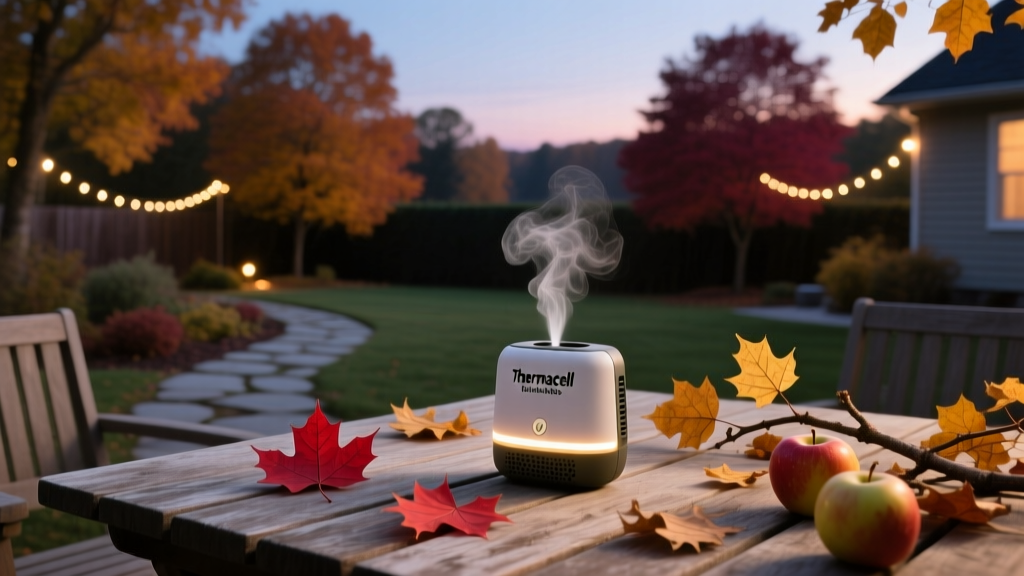
Fall Mosquito Control 2026: Thermacell Radius Yard Treatment
Anna KowalskiPublished
The Hidden Threat of Fall Mosquitoes in 2026
As the crisp autumn air settles in and homeowners transition their lawn care routines toward winter preparation, a common misconception is that mosquito season has ended. In reality, fall can be one of the most aggressive periods for mosquito activity. In 2026, entomologists continue to emphasize that many mosquito species, particularly the Culex and Aedes genera, remain highly active until the first hard frost. Female mosquitoes require blood meals not just for immediate reproduction, but to build fat reserves necessary for overwintering or to lay diapause eggs that will survive the winter and hatch in the spring.
Managing these pests requires a dual approach: modifying your fall lawn care practices to eliminate breeding grounds and deploying targeted spatial repellents for immediate patio and yard protection. For outdoor autumn gatherings, fire pit nights, and late-season landscaping, the Thermacell Radius Zone Mosquito Repeller has emerged as a premier cordless solution. This guide explores how to integrate the Thermacell Radius into your 2026 fall pest control strategy while maintaining a pristine, mosquito-hostile lawn.
How the Thermacell Radius Works in Autumn Conditions
The Thermacell Radius utilizes a heat-activated repellent mat or liquid cartridge system to release metofluthrin or allethrin into the air, creating a 15-foot dome of protection. Unlike topical sprays or citronella candles that are easily overwhelmed by autumn breezes, the Radius uses a built-in fan to actively push the active ingredient outward, establishing a robust perimeter.
In 2026, the latest iterations of the Radius feature enhanced lithium-ion batteries optimized for cooler weather performance, USB-C fast charging, and a 6.5-hour continuous run time on a single charge. This makes it exceptionally convenient for weekend fall yard work or evening bonfires. According to the Environmental Protection Agency (EPA), spatial repellents like metofluthrin are highly effective at disrupting mosquito host-seeking behavior without the need to apply chemicals directly to your skin or saturate your lawn with broad-spectrum aerosols.
Synergizing the Radius with Fall Lawn Care
While the Thermacell Radius provides excellent localized protection, it works best when your yard is not actively breeding new swarms. Fall lawn care is critical for source reduction. Mosquitoes only need a bottle cap full of stagnant water to lay hundreds of eggs. Autumn rains and falling leaves create perfect micro-habitats for standing water.
To maximize the efficacy of your Thermacell Radius, pair it with these essential fall lawn maintenance tasks:
- Leaf Litter Management: Wet, matted leaves trap moisture and create humid microclimates where adult mosquitoes rest during the heat of the day. Mulch leaves finely with your mower or rake and bag them to eliminate these resting zones.
- Core Aeration and Grading: Fall is the ideal time to aerate compacted soil. Improved drainage prevents the formation of shallow puddles after autumn rainstorms. Grade any low-lying areas near patios where you plan to use your Radius repeller.
- Gutter and Hardscape Cleaning: Before the leaves completely drop, clear your gutters. Clogged gutters overflow, creating waterfalls that pool along your home’s foundation—prime real estate for mosquito breeding right outside your windows.
- Thatch Removal: Dethatching your lawn in early fall improves water penetration and reduces the damp, spongy layer that harbors both pests and fungal diseases.
Comparison: Thermacell Radius vs. Traditional Fall Controls
Homeowners have several options for managing autumn mosquitoes. Below is a comparison of the Thermacell Radius against other common 2026 yard treatments.
| Method | Protection Zone | Wind Resistance | Environmental Impact | Best Use Case |
|---|---|---|---|---|
| Thermacell Radius | 15-foot dome | High (fan-assisted) | Low (localized vapor) | Patios, fire pits, localized yard work |
| Permethrin Yard Sprays | Entire yard | N/A (surface applied) | Moderate (toxic to aquatic life/bees if misapplied) | Perimeter barrier treatment before events |
| Citronella Candles | 3 to 5 feet | Very Low | Low (smoke/particulates) | Still-air dining tables |
| UV Bug Zappers | Variable | N/A | High (kills beneficial insects) | Not recommended by entomologists |
Step-by-Step Setup for Maximum Fall Protection
To get the most out of your Thermacell Radius during the fall season, follow these deployment steps:
- Clear the Immediate Area: Ensure the repeller is placed on a flat, stable surface like a patio table or a landscaping stump. Keep it away from dense, wet shrubs where air circulation is poor.
- Account for Autumn Breezes: Fall weather is notoriously windy. Position the Radius upwind of your seating or working area. The built-in fan will carry the metofluthrin vapor across your space, creating an invisible shield.
- Allow for Warm-Up Time: In cooler fall temperatures (between 50°F and 65°F), the heating element may take an extra minute or two to reach optimal vaporization temperatures. Turn the device on 15 minutes before you settle into your outdoor space.
- Monitor the Indicator Light: The 2026 Radius models feature intuitive LED indicators for battery and refill life. Keep an eye on the amber warning light so you can swap in a fresh 12-hour repellent refill before your evening bonfire ends.
Troubleshooting Cold Weather Vaporization
One unique challenge of fall mosquito yard treatment is the drop in ambient temperature. Spatial repellents rely on heat to volatilize the active ingredient. If the temperature drops below 45°F, the efficacy of the vapor cloud can diminish. If you are working in your yard on a particularly chilly November morning, consider placing the Radius on a surface that retains slight warmth, or keep it in close proximity (within 3 feet) to your body or a safe outdoor heat source to ensure the vapor plume remains robust.
Environmental Safety and Beneficial Insects
Integrated Pest Management (IPM) dictates that we protect beneficial insects whenever possible. Unlike broadcast fogging or indiscriminate bug zappers that decimate local populations of pollinators and predatory insects, the Thermacell Radius is highly targeted. The Centers for Disease Control and Prevention (CDC) notes that localized spatial repellents are a preferred method for reducing human-mosquito contact without causing broad ecological disruption.
However, metofluthrin is highly toxic to fish and aquatic invertebrates. If your fall lawn care includes working near a koi pond, water feature, or natural stream, ensure the Radius is placed at least 10 feet away from the water's edge to prevent vapor drift or accidental drops into the aquatic ecosystem.
Pro Fall Tip: Store your Thermacell Radius and its refills in a climate-controlled garage or shed during the winter. Extreme freezing temperatures can degrade the lithium-ion battery and alter the chemical composition of the repellent mats, reducing their efficacy for the following spring season.
Conclusion
Effective fall mosquito yard treatment in 2026 requires more than just waiting for the frost. By combining rigorous autumn lawn care—such as leaf removal, aeration, and drainage correction—with the targeted, cordless protection of the Thermacell Radius, you can reclaim your outdoor spaces. Whether you are enjoying a late-season harvest dinner, roasting marshmallows over a fire pit, or performing the final mow of the year, the Radius provides a reliable, wind-resistant shield against the persistent autumn bite. Embrace the beauty of fall without becoming a seasonal meal for overwintering pests.