Gardening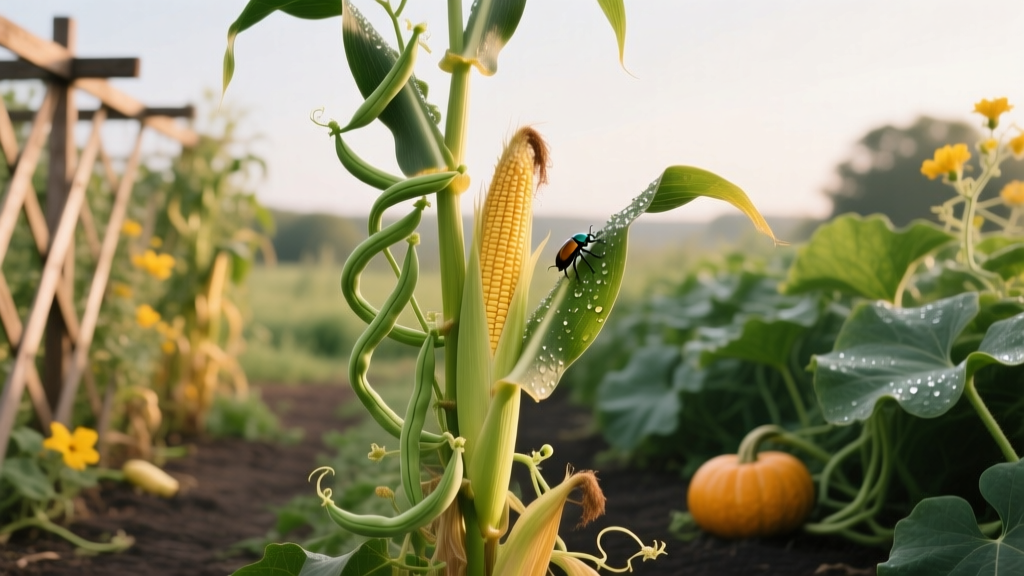
Three Sisters Garden Photography: 2026 Documentation Guide
Sarah ChenPublished
The Art of Documenting the Three Sisters
The Three Sisters companion planting method—a centuries-old agricultural technique pioneered by Indigenous peoples of the Americas—is a masterclass in botanical symbiosis. Corn provides a natural trellis for climbing beans, beans fix vital nitrogen into the soil, and broad-leaved squash acts as a living mulch to suppress weeds and retain moisture. For the modern gardener, this polyculture is not just a highly productive way to grow food; it is a visually stunning, dynamic ecosystem that begs to be documented. In 2026, garden photography has evolved beyond simple snapshots. With advanced computational photography, accessible macro lenses, and automated time-lapse technology, capturing the complete lifecycle of your Three Sisters garden has never been more achievable or rewarding.
Documenting this specific companion planting method requires a unique approach. Unlike the neat, uniform rows of a traditional vegetable garden, a Three Sisters mound is a chaotic, beautiful tangle of vertical stalks, twisting vines, and sprawling ground cover. To tell the visual story of this ancient technique, you must focus on the relationships between the plants, the micro-ecosystems they create, and the progression of time. This comprehensive 2026 guide will walk you through the gear, techniques, and scheduling required to create a breathtaking visual journal of your Three Sisters garden.
The Visual Narrative of Symbiotic Planting
Before picking up a camera, it is essential to understand the story you are trying to tell. According to the USDA National Agricultural Library, the Three Sisters are deeply intertwined not just agronomically, but culturally and nutritionally, providing a complete profile of complex carbohydrates, essential amino acids, and healthy fats. Your photography should reflect this deep interconnection.
Start by documenting the preparation phase. Photograph the mounding of the soil, the incorporation of compost, and the traditional fish or organic fertilizer placed at the center of the mound. As the season progresses, shift your focus to the physical interactions: the delicate tendrils of the pole beans wrapping around the sturdy cornstalks, and the prickly squash vines weaving through the base. By treating your garden as a living narrative rather than just a collection of crops, your 2026 garden journal will become a compelling portfolio of ecological harmony.
Essential 2026 Camera Gear for Garden Documentation
The barrier to entry for high-quality macro and time-lapse photography has lowered significantly in 2026. While dedicated mirrorless cameras remain the gold standard for resolution and dynamic range, modern smartphones are now formidable tools for garden documentation.
Smartphones vs. Mirrorless Systems
If you are shooting with a flagship device like the iPhone 16 Pro Max or the Samsung Galaxy S25 Ultra, you already possess a highly capable garden documentation kit. The 2026 iterations of these phones feature dedicated macro modes that can focus at distances of less than two centimeters, allowing you to capture the intricate textures of bean pods and squash blossoms without additional lenses. Furthermore, their built-in time-lapse modes now include exposure smoothing, which prevents the flickering effect often seen in outdoor videos as clouds pass over the sun.
For those who prefer dedicated gear, a weather-sealed mirrorless camera like the Sony A7 V or the Fujifilm X-T6 paired with a 90mm macro lens is ideal. The weather sealing is crucial; a Three Sisters garden creates a humid microclimate, and morning dew or unexpected summer showers are common. Always pair your camera with a sturdy, low-to-the-ground tripod. A tripod with reversible center columns or a specialized macro rail will allow you to get eye-level with the sprawling squash leaves and the lower nodes of the cornstalks.
Capturing Symbiosis: Macro Photography Techniques
Macro photography is where the true magic of the Three Sisters method is revealed. The symbiotic relationship between the plants and the soil is largely invisible to the naked eye, but a macro lens brings it into sharp focus.
- Bean Root Nodules: The nitrogen-fixing capability of the beans is facilitated by Rhizobia bacteria, which form visible nodules on the roots. Mid-season, carefully excavate a small section of soil near the base of a sacrificial bean plant to photograph these pinkish-white nodules. Use a small reflector to bounce natural sunlight into the shaded soil cavity.
- Corn Silk and Pollination: The corn provides the structure, but its reproduction is a delicate process. Photograph the vibrant, sticky corn silk catching wind-blown pollen. Use a fast shutter speed (1/1000s or faster) to freeze the pollen grains in mid-air if you are shooting in direct sunlight.
- Squash Blossoms and Pollinators: The large, trumpet-shaped yellow flowers of the squash are pollinator magnets. The University of Minnesota Extension notes that specialist squash bees (Peponapis pruinosa) are often the most efficient pollinators for these plants. Set your camera to a continuous autofocus mode and use a narrow aperture (f/8 to f/11) to ensure both the bee and the intricate veins of the blossom petals remain in sharp focus.
Lighting and Composition in the Polyculture Patch
Lighting a Three Sisters garden can be notoriously difficult due to the dense canopy created by the corn and the deep shadows cast by the broad squash leaves. Harsh midday sun will result in blown-out highlights on the pale squash foliage and pitch-black shadows beneath the corn canopy.
To combat this, schedule your primary photography sessions during the 'golden hours'—the first hour after sunrise and the last hour before sunset. The low angle of the sun will rake across the garden, highlighting the vertical lines of the cornstalks and the textured surfaces of the squash leaves. Overcast days are equally valuable; the cloud cover acts as a giant softbox, providing even, diffused light that is perfect for capturing the true, vibrant greens of the foliage and the bright yellows of the squash blossoms without any harsh contrast.
For composition, use the towering cornstalks as leading lines to draw the viewer's eye through the frame. Get low to the ground and shoot upward through the canopy of squash leaves, using them as a natural foreground frame to emphasize the height of the corn and the climbing beans.
Mastering the Time-Lapse: Watching the Sisters Grow
A Three Sisters garden undergoes a radical transformation over its 90 to 120-day growing season. A time-lapse video is the most effective way to compress this explosive growth into a digestible, mesmerizing format. In 2026, setting up a permanent time-lapse station is easier than ever.
Dedicate an older, weather-sealed smartphone or a specialized time-lapse camera (like the Brinno TLC200 Pro) to a permanent, heavy-duty tripod positioned at the edge of your garden bed. Ensure the tripod is anchored with sandbags to prevent wind from shifting the frame, which will ruin the final video. Set your capture interval to one photo every 60 minutes during daylight hours. This interval will perfectly capture the daily reaching of the bean tendrils and the slow unfurling of the squash leaves. When compiling the video in post-production, use software that offers 'deflicker' and 'image stabilization' to smooth out minor shifts in lighting and camera shake.
Your 2026 Three Sisters Photography Schedule
Consistency is the key to a successful visual garden journal. Use the following structured schedule to ensure you capture every critical phase of the Three Sisters lifecycle.
| Growth Stage | Approximate Days | Photographic Focus | Recommended Settings & Gear |
|---|---|---|---|
| Soil Prep & Mounding | Days 1-7 | Soil texture, compost integration, mound dimensions. | Wide-angle lens, f/8, polarizing filter to reduce soil glare. |
| Germination & Emergence | Days 8-20 | Corn shoots breaking soil, first bean cotyledons. | Macro lens, low-angle tripod, focus stacking for depth of field. |
| Establishment & Climbing | Days 21-45 | Bean tendrils wrapping corn, squash leaves expanding. | Time-lapse setup (60-min intervals), golden hour lighting. |
| Flowering & Pollination | Days 46-75 | Corn tassels, squash blossoms, pollinator activity. | Telephoto macro (90mm+), fast shutter (1/500s) for insects. |
| Fruit Set & Maturation | Days 76-100 | Developing bean pods, swelling squash, corn ears filling. | Mid-range zoom, overcast lighting for even shadow detail. |
| Harvest & Senescence | Days 101-120 | Drying corn husks, mature winter squash, autumn colors. | Warm white balance, portrait mode for harvested produce. |
Building a Digital Visual Journal
Photographs are only half of the documentation process; context is what turns a gallery of images into a valuable horticultural resource. In 2026, digital garden journaling apps like Gardenize and PictureThis have integrated advanced AI metadata tagging, allowing you to automatically append local weather data, soil temperature logs, and precise GPS coordinates to your photos.
After each photography session, spend ten minutes logging your observations. Note the specific varieties you planted (e.g., 'Glass Gem' corn, 'Scarlet Runner' beans, 'Waltham Butternut' squash) and any pest pressure or nutrient deficiencies you observed. By cross-referencing your high-resolution macro photos with your daily environmental data, you create a powerful feedback loop. This digital visual journal will not only serve as a beautiful archive of your 2026 harvest but will also provide actionable insights for optimizing your companion planting mounds in the years to come.
Conclusion
Documenting a Three Sisters garden is a deeply rewarding pursuit that bridges the gap between ancient agricultural wisdom and modern digital artistry. By focusing on the intricate details of symbiosis, mastering the challenging lighting of a polyculture canopy, and utilizing the advanced time-lapse and macro capabilities of 2026 camera technology, you can elevate your garden documentation from simple record-keeping to visual storytelling. Grab your camera, step into the patch, and let the Sisters show you their story.
