Gardening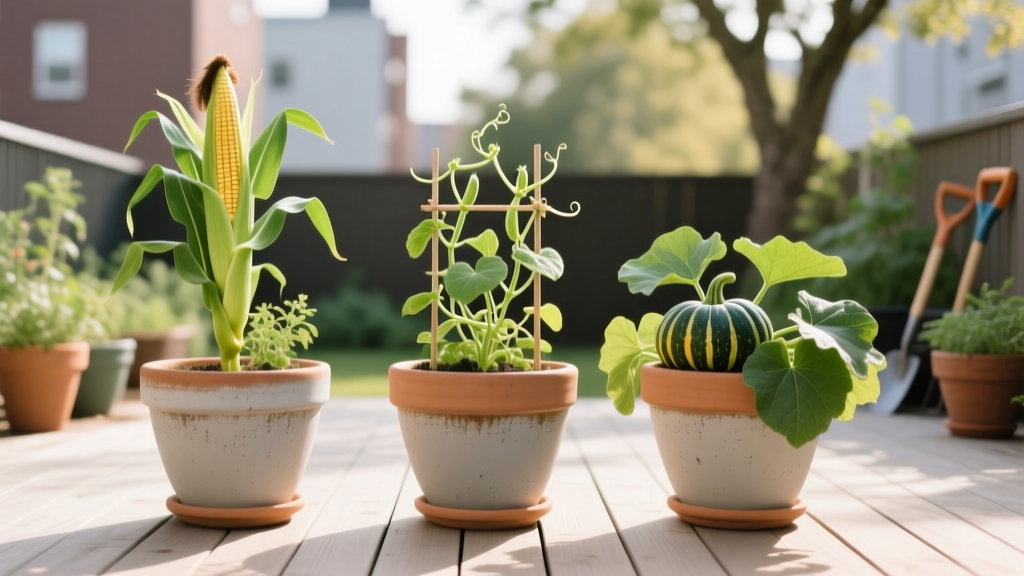
Three Sisters Container Garden 2026: Patio Pot Guide
Emily WatsonPublished
The Ancient Meets the Modern: Three Sisters in 2026
The Three Sisters planting method is one of the oldest and most brilliant examples of companion planting in agricultural history. Originating with the Haudenosaunee (Iroquois) and other Native American tribes, this technique involves growing corn, beans, and squash together in a symbiotic triad. The corn provides a natural trellis for the climbing beans, the beans fix atmospheric nitrogen into the soil to feed the heavy-feeding corn, and the broad leaves of the squash act as a living mulch, shading the soil to retain moisture and suppress weeds. According to the Gardeners Supply Company, this method not only maximizes space but also creates a nutritionally complete diet when harvested together.
However, as urban gardening and patio farming continue to surge in popularity in 2026, many home growers are asking a critical question: Can you grow the Three Sisters in containers? The short answer is yes, but it requires a strategic departure from traditional ground-mound planting. Container gardening presents unique challenges regarding root volume, nutrient depletion, and wind pollination. This comprehensive 2026 guide will walk you through the exact container sizes, compact seed varieties, and modern soil science required to successfully cultivate a thriving Three Sisters garden on your balcony, patio, or rooftop.
The Container Challenge and the Pollination Problem
Before selecting your pots, it is vital to understand the biology of corn. Corn is not self-pollinating in the same way tomatoes or peppers are; it relies on wind to carry pollen from the tassels at the top of the stalk to the silks on the ears. In a traditional garden, corn is planted in large blocks to ensure the wind catches the pollen. If you plant a single corn stalk in an isolated pot on a balcony, you will likely end up with empty, unpollinated cobs.
To solve this in a 2026 container setup, you must use the Container Cluster Strategy. Instead of one massive pot, use three to four large containers grouped tightly together (within 12 inches of each other) to simulate a block planting. This micro-environment allows the wind to swirl between the pots, ensuring adequate pollen drop. Alternatively, you can hand-pollinate your container corn by shaking the tassels over the silks during the early morning hours when the pollen is most viable.
Selecting the Right Containers for the Trio
Standard 5-gallon buckets will not suffice for the Three Sisters. Corn develops deep, extensive root systems, and squash requires wide surface area. According to Penn State Extension, deep-rooted vegetables require a minimum of 15 to 20 gallons of soil volume per plant to thrive and produce a meaningful yield.
- Fabric Smart Pots (20-30 Gallons): Fabric pots are highly recommended in 2026 because they air-prune the roots, preventing the corn from becoming root-bound and toppling over in high winds. A 20-gallon fabric pot measures roughly 20 inches in diameter and 15 inches deep, providing ample space for a central corn mound.
- Sub-Irrigated Planters (SIPs): Squash and corn are incredibly thirsty plants. Modern SIPs, such as the EarthBox or Gardener's Supply Self-Watering Planters, feature a water reservoir at the bottom that wicks moisture up to the roots. This is crucial for hot summer patios where traditional pots can dry out in hours.
- Trough Planters (4x2 Feet): If you have a larger balcony, a rectangular trough planter allows you to plant a mini-block of corn in the center, surrounded by beans and squash, mimicking the traditional ground mound on a larger scale.
Choosing Compact Seed Varieties for Pots
You cannot plant standard field corn or giant vining winter squash in a patio container; they will quickly overwhelm the space and starve the root system. You must select dwarf, bush, or compact varieties specifically bred for confined spaces. Here are the top-performing varieties for container Three Sisters gardens in 2026:
| Sister | Recommended 2026 Variety | Characteristics & Container Benefits |
|---|---|---|
| Corn | 'On Deck Hybrid' or 'Golden Bantam' | 'On Deck' is bred specifically for containers, growing only 4-5 feet tall and producing 2-3 ears per stalk in dense plantings. |
| Beans | 'Rattlesnake Pole' or 'Half-Runner' | Standard pole beans can grow 10+ feet and snap dwarf corn. 'Rattlesnake' is a manageable climber, while 'Half-Runners' stay compact but still twine. |
| Squash | 'Patio Star' Zucchini or 'Bush Acorn' | These are bush-type squashes rather than vining types. They provide the broad-leaf shade needed for soil cooling without creeping over the edge of your balcony. |
Soil Preparation and Fertilization
Never use garden soil or topsoil in containers; it compacts, suffocates roots, and introduces soil-borne diseases. You need a high-quality, well-draining potting mix. In 2026, the gold standard for heavy feeders like the Three Sisters is a mix of 60% premium organic potting soil, 20% compost or worm castings, and 20% perlite or pumice for drainage.
Because container soil has no natural mineral reserves, you must amend it heavily before planting. Mix in a slow-release organic granular fertilizer (like a 5-5-5 or 4-4-4 blend) and a cup of kelp meal per 20-gallon pot. The beans will eventually fix nitrogen, but the corn needs an immediate, heavy nitrogen boost in its first 30 days to build the stalks that will support the beans.
Step-by-Step Container Planting Guide
Timing and spacing are everything. Do not plant all three seeds on the same day, or the vigorous squash will choke out the young corn seedlings. Follow this staggered timeline for a 20-gallon container cluster:
Phase 1: The Corn Mound (Week 1)
Wait until two weeks after your area's last spring frost date, ensuring the soil temperature is consistently above 60°F (15°C). Build a mound of soil about 4 inches high and 12 inches wide in the center of your pot. Plant 4 to 6 corn seeds about 1 inch deep in the mound. Once they sprout, thin them to the 3 strongest stalks. This tight grouping ensures they support each other against the wind.
Phase 2: The Beans (Week 3 or 4)
When the corn stalks reach about 6 to 8 inches tall, it is time to plant the beans. Plant 4 bean seeds about 1 inch deep, spaced evenly in a circle around the base of the corn mound (about 3 inches away from the corn stalks). As the beans grow, gently guide their tendrils to wrap around the corn stalks. Note: If your corn stalks are struggling to support the beans, insert a slim bamboo stake next to the corn for extra structural integrity.
Phase 3: The Squash (Week 5)
Once the beans have begun to climb and the corn is knee-high, plant your squash seeds. Plant 2 to 3 squash seeds near the outer edge of the container. Once sprouted, thin to a single, healthy squash plant per pot. The squash will spread outward and drape slightly over the edges of the pot, shading the dark fabric of the smart pot and keeping the root zone remarkably cool.
Expert Tip for 2026: To maximize water retention during peak summer heatwaves, lay a layer of organic straw or untreated grass clippings over any exposed soil not covered by the squash leaves. This supplemental mulch works in tandem with the squash to reduce evaporation by up to 50%.
Maintenance, Watering, and Harvesting
Container gardens dry out much faster than in-ground beds. During the heat of July and August, you may need to water your Three Sisters pots daily. The Old Farmer's Almanac notes that corn requires about 1 to 1.5 inches of water per week, but in dark containers on a sunny patio, this requirement effectively doubles. Utilizing a smart drip irrigation system connected to a Wi-Fi moisture sensor is a highly recommended 2026 upgrade for patio growers, ensuring the plants never experience drought stress, which can cause corn to drop its ears or squash to develop blossom end rot.
Fertilize every three weeks with a liquid kelp and fish emulsion solution. Stop applying high-nitrogen fertilizers once the corn tassels appear; too much nitrogen at this stage will encourage leafy growth at the expense of ear development.
Harvesting is a rewarding, staggered process. Pick the beans when the pods are plump but before they dry out completely (or let them dry on the stalk for winter stews). Harvest the summer squash when the fruits are 6 to 8 inches long to encourage continuous production. Finally, wait until the corn husks turn brown and papery, and the kernels are hard and glassy, before twisting the ears off the stalks. By adapting this ancient Native American technique to modern container systems, you can enjoy a historically rich, highly productive, and visually stunning garden right on your patio.
