Gardening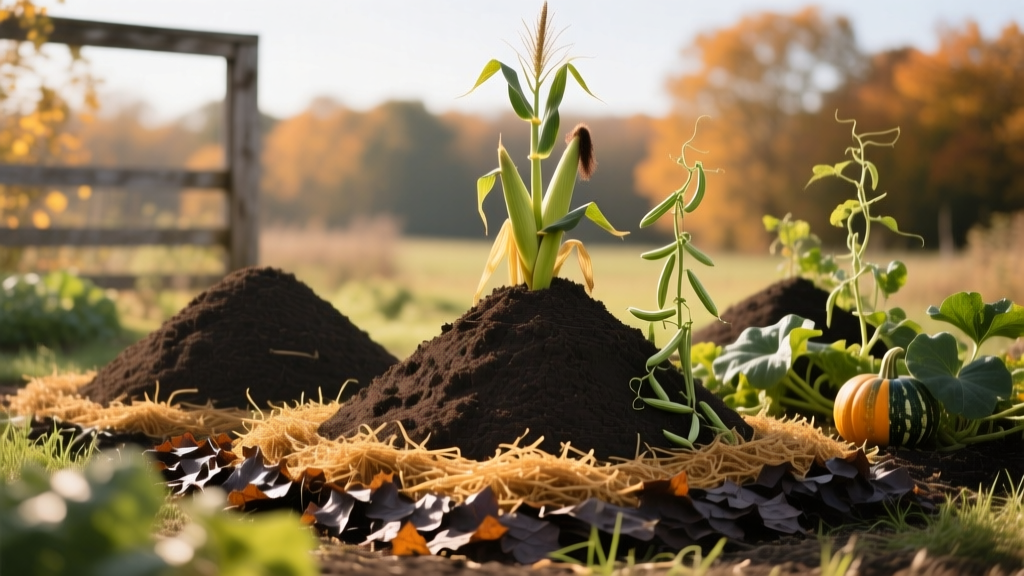
Fall Three Sisters Garden Bed Prep And Lawn Care 2026
Sarah ChenPublished
As autumn 2026 settles in, homeowners and gardening enthusiasts are shifting their focus from summer maintenance to essential fall lawn care and garden winterization. For those who cultivated the traditional Three Sisters companion planting method—corn, beans, and squash—the fall transition is a critical period. The heavy nutrient demands of this indigenous planting technique leave the soil exhausted just as your lawn is dropping its annual leaf cover. By integrating your fall lawn care routines with Three Sisters bed preparation, you can create a closed-loop ecosystem that revitalizes your garden soil, protects your turf, and sets the stage for a bountiful harvest next spring.
Understanding the Three Sisters Nutrient Footprint
The Three Sisters method, originating from the Haudenosaunee (Iroquois) and other Native American tribes, is a masterclass in symbiotic agriculture. According to the Old Farmer's Almanac, corn provides a natural trellis for the climbing beans, the beans fix atmospheric nitrogen into the soil to feed the heavy-feeding corn, and the sprawling squash leaves act as a living mulch that suppresses weeds and retains soil moisture. However, while this trio works in perfect harmony during the growing season, the post-harvest reality is a garden bed that has been heavily stripped of macronutrients and organic matter.
Corn is a notorious nitrogen hog. Even with the nitrogen-fixing assistance of pole beans, the net nitrogen balance at the end of the season is often negative. Furthermore, the sprawling squash vines deplete the soil of potassium and phosphorus. In 2026, with shifting autumn temperatures and extended growing seasons in many USDA zones, the soil microbiome remains active later into the year. This makes fall the absolute best time to replenish the bed using organic matter harvested directly from your lawn.
Integrating Fall Lawn Leaves into the Three Sisters Bed
One of the most common mistakes in modern landscaping is treating fall leaves as waste. In a closed-loop garden system, your lawn's autumn leaf drop is the primary fuel for next year's Three Sisters bed. Instead of bagging leaves and sending them to the landfill, use your mower to mulch them directly into the garden.
Set your mower deck to a height of 3 inches and run over the dry leaves on your lawn until they are shredded into dime-sized pieces. Shredded leaves are vastly superior to whole leaves because they do not mat down and block oxygen exchange. Rake these shredded leaves into your harvested Three Sisters bed to a depth of 4 to 6 inches. Over the winter, this leaf mold will mimic the natural forest floor, retaining moisture, insulating the soil microbiome against freeze-thaw cycles, and slowly breaking down into rich humus. As outlined by the EPA's guide to composting basics, balancing carbon-rich 'browns' like autumn leaves with nitrogen-rich materials is the cornerstone of healthy soil regeneration.
Post-Harvest Bed Cleanup: What Stays and What Goes
Before applying your lawn-derived leaf mulch, you must properly manage the remnants of the summer harvest. How you handle the corn stalks, bean vines, and squash foliage will dictate your pest and disease pressure for 2026.
Managing Corn Stalks
Corn stalks are incredibly fibrous and can take years to decompose if left whole. Do not pull them out by the roots. Instead, use a pair of heavy-duty loppers or a machete to chop the stalks into 2-inch pieces. Leave the root mass in the ground to decompose and create channels for water infiltration. Toss the chopped stalks into your compost bin, layering them with nitrogen-rich green grass clippings from your final fall mows to accelerate the breakdown process.
Handling Bean and Squash Residue
When pulling up pole beans, cut the vines at the soil line rather than pulling the roots. The nodules on the bean roots contain fixed nitrogen that will slowly release into the soil over the winter. For squash vines, inspect them carefully. If your squash suffered from powdery mildew or squash vine borer damage in 2026, do not compost the vines. Bag them and remove them from the property to break the disease cycle. If the vines are healthy, chop them and add them to the compost pile.
2026 Fall Soil Recovery Chart for Three Sisters Beds
To fully restore the soil profile, lawn clippings and leaves must be supplemented with targeted amendments. Below is a structured guide to amending your Three Sisters bed this fall, utilizing both purchased organic amendments and free resources from your lawn.
| Amendment | Source | Application Rate (per 100 sq ft) | Primary Benefit for Three Sisters |
|---|---|---|---|
| Shredded Autumn Leaves | Lawn (Mulching Mower) | 4 to 6 inch layer (approx. 15 cu ft) | Carbon source, weed suppression, moisture retention |
| Green Grass Clippings | Lawn (Post-Mowing) | 1 to 2 inch layer | Fast-acting nitrogen boost to balance high-carbon leaves |
| Kelp Meal | Garden Center | 1 to 2 lbs | Replenishes potassium and trace minerals depleted by squash |
| Rock Phosphate | Garden Center | 2 to 3 lbs | Slow-release phosphorus for strong root development next spring |
| Wood Ash | Fire Pit / Fireplace | 1/4 inch dusting (Max 2 lbs) | Raises soil pH slightly, adds calcium to prevent blossom end rot |
Planting a Fall Cover Crop to Bridge the Seasons
While leaf mulch is excellent for soil protection, planting a fall cover crop is the ultimate way to prepare a Three Sisters bed for the following year. The USDA Natural Resources Conservation Service heavily promotes cover cropping to prevent soil erosion, scavenge leftover nutrients, and build organic matter. For a Three Sisters bed transitioning into winter 2026, a mix of Winter Rye and Hairy Vetch is ideal.
Winter rye germinates in temperatures as low as 34°F, making it perfect for late autumn planting. Its aggressive root system breaks up compacted soil left behind by heavy corn traffic. Hairy vetch, a legume, will partner with the rye and continue to fix atmospheric nitrogen well into the early winter and early spring. Broadcast the seed mixture directly over your lightly raked soil, water it in, and let nature take over. In the spring, you will chop and drop this cover crop, returning massive amounts of nitrogen and biomass to the soil just weeks before planting your next round of corn and beans.
Lawn Thatch, Aeration, and Garden Border Pest Control
Fall lawn care does not stop at the garden border; in fact, the health of your turf directly impacts the pest pressure in your Three Sisters bed. Pests like the squash vine borer and corn earworm often seek out thick, insulated environments to overwinter. A heavy layer of lawn thatch—the dense mat of dead and living grass shoots and roots—provides the perfect winter sanctuary for these destructive insects.
If your lawn borders your vegetable garden, core aeration and dethatching in the fall are mandatory. By pulling plugs of soil and removing the thatch layer, you expose overwintering pupae to freezing temperatures and predatory birds. Furthermore, fall aeration relieves soil compaction caused by summer foot traffic between the lawn and the garden. After aerating, overseed your lawn with a modern, drought-tolerant fescue blend. A thick, healthy lawn acts as a physical and ecological barrier, preventing encroaching weeds from migrating into your carefully prepared Three Sisters bed.
Conclusion: A Unified Autumn Strategy
The transition from the vibrant growth of summer to the quiet dormancy of winter is a time of immense opportunity for the holistic gardener. By viewing your lawn and your Three Sisters garden bed as a single, interconnected ecosystem, you eliminate waste and drastically reduce the need for synthetic fertilizers. Shredding fall leaves, utilizing grass clippings, managing crop residue, and maintaining a healthy, aerated lawn border will ensure that your soil is teeming with life when the spring of 2026 arrives. Embrace these fall lawn care and garden prep strategies, and you will honor the ancient wisdom of the Three Sisters while leveraging the best modern organic horticulture practices available today.
