Gardening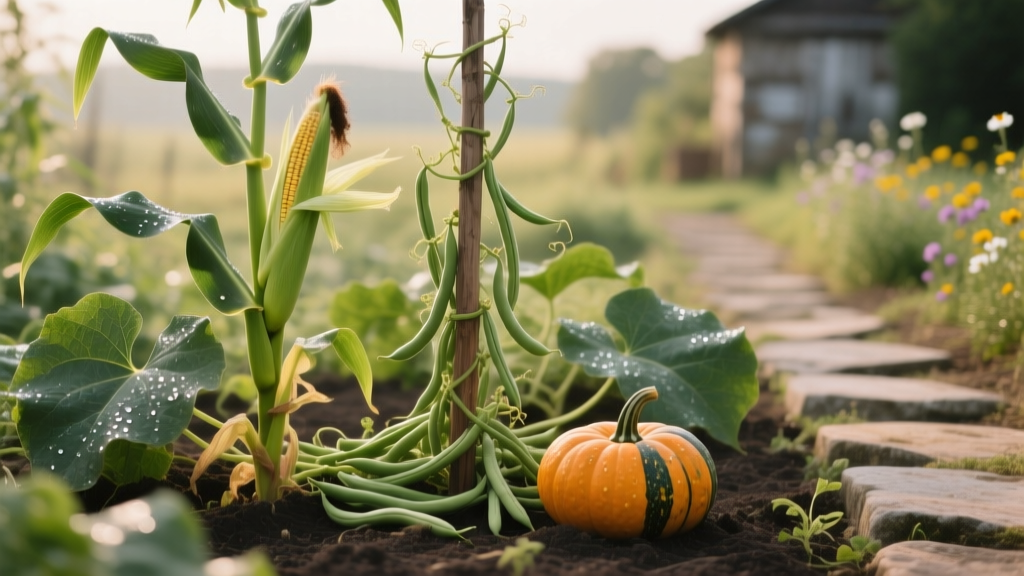
Three Sisters Mulching Guide 2026: Corn, Beans & Squash Tips
Robert HayesPublished
The Synergy of Soil Cover: Why the Three Sisters Need Mulch
The Three Sisters companion planting method—corn, beans, and squash—is a masterpiece of indigenous agricultural engineering originally developed by the Haudenosaunee (Iroquois) and other Native American tribes. This trio works in perfect harmony: the corn provides a sturdy trellis for the climbing beans, the beans fix atmospheric nitrogen into the soil to feed the heavy-feeding corn, and the broad leaves of the squash spread across the ground, acting as a natural, living mulch that suppresses weeds and retains soil moisture.
However, as we navigate the 2026 growing season, erratic weather patterns, prolonged heat domes, and unpredictable spring rainfall mean that relying solely on the squash canopy for ground cover is no longer sufficient. The squash takes several weeks to establish a full canopy, leaving the soil vulnerable during the critical early growth stages of the corn and beans. Integrating intentional, physical mulching methods into your Three Sisters garden bed is essential for maximizing yields, protecting soil microbiology, and conserving water. According to the USDA Natural Resources Conservation Service, maintaining continuous soil cover is a foundational pillar of soil health, drastically reducing erosion and moisture evaporation in increasingly volatile summer climates.
Best Mulching Materials for the 2026 Growing Season
Choosing the right mulch for a Three Sisters bed requires balancing moisture retention, nitrogen availability, and pest deterrence. Here are the top-performing mulching materials for this specific companion planting guild in 2026:
1. Seed-Free Straw
Straw remains the gold standard for vegetable garden mulching. It is light, allows water to penetrate easily, and creates an excellent insulating barrier. For the Three Sisters, straw is ideal for the early season before the squash leaves spread. Ensure you purchase seed-free straw (often labeled as such or sourced from wheat/oats that have been thoroughly dried) to avoid introducing aggressive grass weeds into your meticulously planned companion bed.
2. Composted Leaf Mold
Corn is a notoriously heavy feeder, requiring significant nitrogen and micronutrients. Raw wood chips can tie up surface nitrogen as they decompose, which starves the corn. Instead, use fully composted leaf mold. Leaf mold is rich in fungal-dominated microbiology and slowly releases nutrients. The Rodale Institute frequently highlights leaf mold as a superior organic amendment for heavy-feeding crops, improving soil structure while providing a gentle, steady nutrient release.
3. Arborist Wood Chips (For Pathways and Perimeters)
While you should avoid putting raw wood chips directly against the base of your corn stalks, they are invaluable for the pathways surrounding your Three Sisters mounds. A thick layer (3 to 4 inches) of arborist chips on the walking paths suppresses weeds, prevents soil compaction from foot traffic, and keeps the garden accessible after heavy 2026 summer downpours.
4. Living Mulches: Crimson Clover
If you are practicing no-till gardening, planting a living mulch like crimson clover in the pathways or in the bed during the off-season can be tilled under or crimped before planting the Three Sisters. Clover adds organic matter and works synergistically with the beans to boost the soil's nitrogen profile.
The 2026 Mulching Timeline for Corn, Beans, and Squash
Timing is everything. Applying mulch too early can keep the soil cold and delay seed germination; applying it too late allows weeds to establish and moisture to escape.
Phase 1: Pre-Planting and Mound Preparation (Spring)
Before forming your traditional Three Sisters mounds (typically 12 inches high and 3 feet wide), incorporate a 2-inch layer of compost into the topsoil. Do not apply heavy mulch yet. The bare soil needs to absorb the spring sun to warm up, which is critical for corn seed germination.
Phase 2: The 'Corn Knee-High' Window (Early Summer)
Once your corn stalks reach about 12 to 18 inches tall (knee-high), and the bean seedlings have sprouted and begun to seek out the corn stalks, it is time to apply your primary mulch. Spread a 2 to 3-inch layer of seed-free straw or composted leaf mold around the base of the mounds. Leave a 2-inch bare ring immediately around the base of the corn stalks and bean seedlings to prevent stem rot and allow the soil to breathe.
Phase 3: Canopy Closure (Mid-to-Late Summer)
By mid-summer, the squash vines will have expanded, creating their famous 'living mulch' canopy. At this stage, the physical straw mulch beneath the squash will begin to break down, feeding the soil food web. You will not need to add more mulch inside the bed, but you should monitor the perimeter pathways and top up your arborist wood chips if weeds begin to creep in.
Plant-Specific Mulching Strategies
Each of the Three Sisters interacts with mulch differently. Use the data chart below to guide your application rates and material choices for each specific plant.
| Plant | Preferred Mulch Material | Application Depth | Primary Mulch Benefit | Critical Warning |
|---|---|---|---|---|
| Corn | Composted Leaf Mold / Straw | 2 - 3 inches | Moisture retention & steady nutrient release for heavy feeding. | Avoid raw wood chips near stalks to prevent nitrogen tie-up. |
| Beans | Light Straw / Grass Clippings | 1 - 2 inches | Weed suppression without smothering delicate climbing vines. | Keep mulch away from the main stem to prevent fungal rot. |
| Squash | Straw (Early) / Living Canopy | 3 inches (Early season) | Deters squash vine borers and keeps fruit off bare, wet soil. | Do not bury squash crowns; allow runners to root into the mulch. |
Navigating 2026 Pest Pressures with Strategic Mulching
Mulch is not just for water retention; it is a vital tool in your Integrated Pest Management (IPM) arsenal. In 2026, gardeners in many hardiness zones are reporting increased pressure from Squash Vine Borers and Cucumber Beetles.
Applying a thick layer of straw around the base of your squash plants can physically impede the adult vine borer moth from laying eggs at the soil line. Furthermore, the University of Minnesota Extension notes that maintaining a healthy, mulch-fed soil microbiome encourages beneficial predatory nematodes and ground beetles, which naturally hunt the larvae of destructive pests. For slug and snail management—which can decimate young bean and squash seedlings—avoid using overly thick, matted layers of wet grass clippings, which create the perfect damp hiding spots for these mollusks. Instead, opt for dry, fluffy straw.
Critical Mulching Mistakes to Avoid
Even experienced gardeners can make errors when managing the complex micro-environment of a Three Sisters bed. Avoid these common pitfalls:
- Volcano Mulching the Corn: Piling mulch high against the corn stalk traps moisture against the plant tissue, inviting fungal diseases and stalk rot. Always maintain a small, mulch-free halo around the base of the stalk.
- Smothering the Beans: Pole beans need a clear path to wrap around the corn. If you apply straw too thickly before the beans have established their climbing habit, the bean seedlings may rot in the shade of the mulch or fail to find the corn stalk.
- Using Allelopathic Mulches: Never use wood chips or leaves from Black Walnut trees in or around your Three Sisters bed. Black Walnut produces juglone, a natural chemical that is highly toxic to tomatoes, peppers, and unfortunately, beans and squash.
- Mulching Over Cold Soil: Applying a thick layer of insulating mulch in early spring before the soil has warmed will delay corn germination and stunt early root development. Wait until the soil temperature consistently reads above 60°F (15°C) at a 4-inch depth.
Conclusion
The Three Sisters method is a testament to the power of ecological synergy, but it requires mindful stewardship to thrive in modern climate conditions. By strategically deploying seed-free straw, composted leaf mold, and perimeter wood chips, you bridge the gap between planting and canopy closure. This mindful approach to mulching ensures that your corn stays hydrated, your beans remain disease-free, and your squash produces a bountiful harvest. As you plan your 2026 garden layout, remember that mulch is the unsung fourth sister—the silent protector that ties the entire system together, ensuring your soil remains rich, resilient, and alive.
