Gardening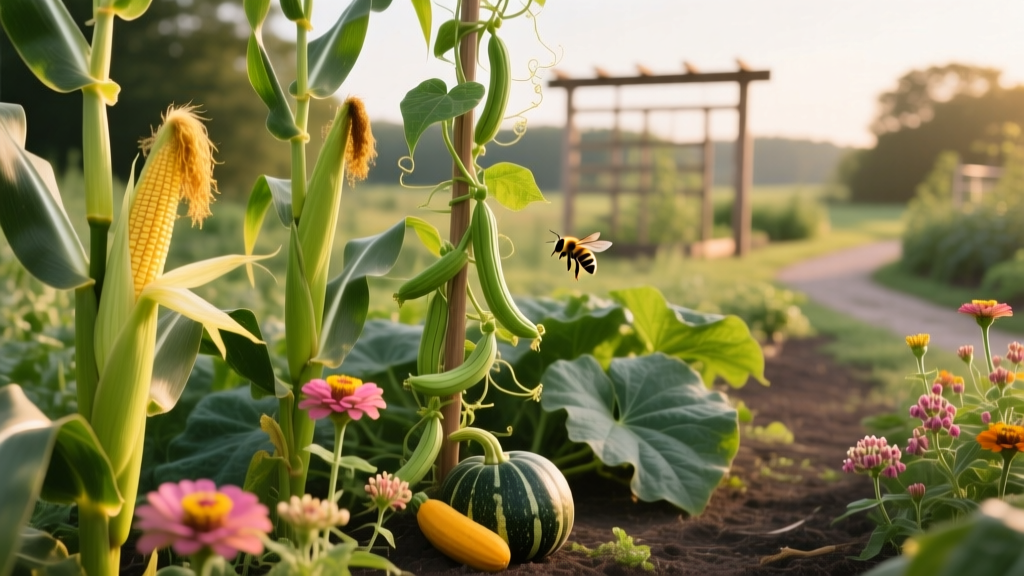
Three Sisters Pollinator Garden 2026: Corn, Beans & Squash Guide
Lisa ThompsonPublished
The Intersection of Indigenous Wisdom and Pollinator Health
The Three Sisters planting method—companion planting corn, beans, and squash—is a time-honored agricultural technique pioneered by Indigenous peoples of the Americas, notably the Haudenosaunee. While traditionally celebrated for its nutritional completeness and soil-building properties, modern horticulture in 2026 increasingly recognizes this triad as a powerhouse for pollinator-friendly garden design. As native bee populations and butterfly migratory routes face ongoing pressures from habitat loss and climate shifts, integrating the Three Sisters into a pollinator-first landscape offers a dual benefit: a bountiful harvest and a thriving insect sanctuary.
Designing a garden that supports both human food production and ecological resilience requires moving beyond simply planting the three crops in a mound. It involves selecting the right open-pollinated varieties, engineering the soil for ground-nesting bees, and establishing a continuous-bloom border. According to the Xerces Society Pollinator Conservation guidelines, integrating diverse floral resources alongside food crops is one of the most effective ways to stabilize local pollinator networks. This guide will walk you through creating a highly optimized, pollinator-friendly Three Sisters garden for the 2026 growing season.
Selecting Pollinator-Friendly Three Sisters Varieties
To maximize the ecological benefits of your garden, avoid highly hybridized commercial seeds that may produce sterile pollen or lack nectar. Instead, opt for heirloom and open-pollinated varieties that have retained their natural insect-attracting traits.
Corn: The Pollen Powerhouse
While corn is primarily wind-pollinated, its abundant pollen is a crucial protein source for many native bees and honeybees in mid-summer when other floral resources may dip. For 2026, drought-tolerant flour and dent corns are highly recommended. Varieties like 'Hopi Blue' or 'Oaxacan Green' produce robust tassels that shed pollen heavily in the morning, perfectly aligning with the foraging schedules of native bumblebees.
Beans: The Nectar Corridors
Pole beans are the vertical connectors in the Three Sisters system, climbing the corn stalks. From a pollinator perspective, the flowers of pole beans are rich in nectar and feature complex structures that favor long-tongued bees. 'Scarlet Runner' beans are exceptional for attracting hummingbirds and large bumblebees, while 'Kentucky Wonder' provides a steady nectar flow for sweat bees and honeybees throughout the late summer.
Squash: The Squash Bee Sanctuary
The most fascinating pollinator relationship in this garden belongs to the squash. Native squash bees (Peponapis pruinosa and Xenoglossa angustior) are specialists that rely almost exclusively on the pollen of cucurbits (squash, pumpkins, and gourds). These bees are early risers, foraging at dawn when squash flowers are fully open. To support them, plant large-vined winter squashes like 'Waltham Butternut' or 'Howden' pumpkins, which produce massive, nectar-rich blossoms.
Designing the Mounds and Ground Nesting Zones
The physical layout of the Three Sisters is inherently beneficial to soil ecology, but slight modifications can make it a haven for ground-nesting insects. The USDA NRCS Pollinator Biology and Habitat guide emphasizes that over 70% of native bee species nest underground in undisturbed soil.
Mound Construction
Construct your mounds in late spring once the soil temperature reaches at least 60°F (15°C). Each mound should be roughly 3 feet in diameter and 12 inches high. This elevation improves drainage and warms the soil faster. Amend the soil with 4 to 6 inches of aged compost. Avoid synthetic fertilizers; the beans will fix atmospheric nitrogen via Rhizobium bacteria, feeding the corn and squash naturally.
Leaving Bare Soil for Squash Bees
Because squash bees nest in the ground directly beneath the squash vines, you must avoid heavy mulching in the immediate vicinity of the squash plants. While mulch is great for moisture retention, a thick layer of wood chips will block female squash bees from excavating their nesting tunnels. Instead, use a light layer of shredded leaves or simply leave the soil bare and undisturbed beneath the sprawling squash leaves, which will naturally shade the soil and suppress weeds while providing a safe nesting corridor.
The Pollinator Border: Continuous Bloom Strategy
The Three Sisters provide a massive influx of resources in mid-to-late summer, but pollinators need food from early spring through late autumn. To achieve this, surround your Three Sisters mounds with a dedicated pollinator border. This border acts as a windbreak, a pest-deterrent, and a continuous nectar source.
| Plant Species | Bloom Window | Primary Pollinators Supported | Spacing from Mound |
|---|---|---|---|
| Borage (Borago officinalis) | Early Summer to First Frost | Honeybees, Bumblebees, Hoverflies | 18 inches |
| Bee Balm (Monarda fistulosa) | Mid to Late Summer | Native Bees, Hummingbirds, Sphinx Moths | 24 inches |
| Zinnia (Zinnia elegans) | Mid Summer to First Frost | Monarch Butterflies, Solitary Bees | 12 inches |
| Yarrow (Achillea millefolium) | Early to Late Summer | Predatory Wasps, Tachinid Flies | 20 inches |
By integrating plants like Borage and Yarrow, you also invite beneficial predatory insects that will naturally manage pest populations, such as aphids and squash vine borers, without the need for disruptive chemicals.
Watering and Hydration Stations
In 2026, with increasingly erratic summer precipitation patterns, efficient watering is critical. Use drip irrigation lines laid at the base of the corn and bean stalks. This keeps the foliage of the squash and beans dry, drastically reducing the risk of powdery mildew and downy mildew, which are rampant in humid mid-summer conditions.
Furthermore, pollinators need access to safe drinking water. Birdbaths are often too deep and dangerous for bees. Create a 'puddling station' at the edge of your garden border. Fill a shallow terracotta saucer with clean pebbles, marbles, and a pinch of sea salt (for essential butterfly minerals), and keep it filled with fresh water. The pebbles provide a safe landing pad for bees and butterflies to drink without drowning.
2026 Pest Management and Pollinator Safety
Protecting your harvest must never come at the cost of the pollinators that make the harvest possible. The Xerces Society Pesticide Reduction resources highlight the devastating sub-lethal effects of neonicotinoids and broad-spectrum fungicides on bee navigation and reproduction. In a pollinator-first Three Sisters garden, synthetic chemicals are strictly prohibited.
Biological and Mechanical Controls
- Squash Vine Borers: Wrap the base of your squash vines with aluminum foil or specialized row cover mesh to prevent the adult moth from laying eggs at the soil line.
- Corn Earworms: Apply a few drops of food-grade mineral oil or a Bt (Bacillus thuringiensis) spray directly into the corn silks as they begin to brown. Bt is a naturally occurring soil bacterium that targets caterpillars but is harmless to bees, butterflies, and humans.
- Mexican Bean Beetles: Hand-pick adults and egg masses in the early morning. Encourage populations of the parasitic Pediobius foveolatus wasp by maintaining your yarrow and dill borders.
Harvest and Overwintering for Habitat
As autumn approaches, your garden management should shift toward overwintering habitat preservation. When harvesting your winter squash and pumpkins, leave the large, hollow vines in place until late spring. Many native insects, including beneficial solitary bees and butterfly chrysalises, use the dead, hollow stems of crops and border plants to overwinter.
Furthermore, if you are growing dent or flour corn, leave a few stalks standing through the winter. The dried corn provides crucial emergency calories for overwintering birds, while the stalks offer shelter for dormant insects. By viewing your Three Sisters garden not just as a summer food factory, but as a year-round ecological sanctuary, you contribute directly to the resilience of your local environment. Embracing these pollinator-friendly design principles ensures that the ancient legacy of the Three Sisters continues to sustain both humanity and the natural world in 2026 and beyond.
