Pest Control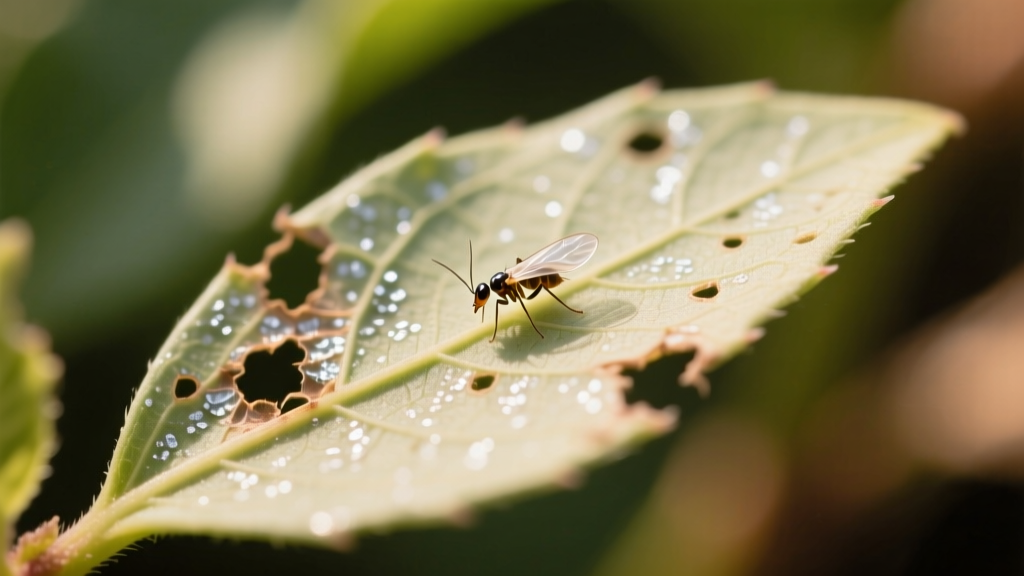
2026 Guide: Photographing Thrips Damage & Spinetoram
James MillerPublished
The Intersection of Macro Photography and Pest Management
In the modern era of Integrated Pest Management (IPM), accurate identification and meticulous record-keeping are just as critical as the treatments themselves. As we navigate the 2026 growing season, garden photography has evolved from a purely aesthetic pursuit into a vital diagnostic tool. Thrips, notorious for their cryptic nature and rapid reproduction, require a keen eye to detect before they devastate ornamental and edible gardens. By leveraging advanced macro photography and structured visual documentation, gardeners and horticulturists can accurately identify thrips damage, monitor pest life cycles, and track the efficacy of targeted treatments like Spinetoram.
This guide explores how to utilize garden photography to document thrips infestations and verify the success of Spinetoram applications, ensuring your landscape remains vibrant and healthy throughout 2026.
The Visual Signature of Thrips Damage
Thrips are minute, slender insects with fringed wings that feed using rasping-sucking mouthparts. They puncture plant cells and drain the contents, leaving behind a distinct visual signature that is best captured through a macro lens. According to the University of California Integrated Pest Management program, early detection is paramount because thrips can transmit devastating plant viruses, such as the Tomato Spotted Wilt Virus (TSWV) and Impatiens Necrotic Spot Virus (INSV).
Key Photographic Indicators to Document
- Silvering and Stippling: As thrips drain epidermal cells, the damaged tissue fills with air, creating a silvery or pale stippled appearance. Side-lighting your subject with a macro LED light will cast micro-shadows in these depleted cells, making the silvering pop in your photographs.
- Frass (Fecal Matter): Thrips leave behind tiny, dark, varnish-like specks of excrement. A 1:1 macro ratio will clearly distinguish these black specks from fungal spores or dirt.
- Deformed New Growth: Thrips prefer tender, emerging tissue. Documenting twisted, curled, or stunted apical buds provides a historical record of when the infestation peaked.
- The Insects Themselves: Adult thrips are typically 1-2mm long. Using a clip-on macro lens or a dedicated 100mm macro lens, you can capture their elongated bodies and characteristic fringed wings, confirming the exact species (e.g., Western Flower Thrips vs. Onion Thrips).
Setting Up Your Pest Documentation Station
To maintain a reliable visual journal, consistency in your photography is essential. In 2026, creating a portable 'pest documentation station' allows you to capture standardized images of infected foliage over time.
- Scale Reference: Always include a standardized scale in your frame. A metric ruler or a specialized macro calibration coin ensures you can measure lesion sizes and insect lengths during post-processing.
- Lighting Control: Direct sunlight often washes out the subtle silvering of thrips damage. Use a portable diffuser or a dual-arm LED macro light set to a daylight color temperature (5600K) to reveal leaf texture without harsh glare.
- Background Isolation: Place a dark, non-reflective card behind the leaf. This isolates the damage, forces the camera's autofocus to lock onto the leaf surface, and makes the tiny, pale-yellow thrips larvae highly visible against the dark backdrop.
Spinetoram: The 2026 Treatment Standard
When visual documentation confirms a severe thrips infestation, intervention is necessary. Spinetoram is a highly effective, semi-synthetic insecticide derived from soil-dwelling bacteria (Saccharopolyspora spinosa). It belongs to Insecticide Resistance Action Committee (IRAC) Group 5, which targets the nicotinic acetylcholine receptors in the insect nervous system. The IRAC Mode of Action Classification highlights the importance of rotating Group 5 chemicals with other classes to prevent pest resistance, a core tenet of 2026 IPM strategies.
Application and Safety Protocols
Spinetoram is widely favored by professional estate gardeners and nursery managers for its excellent residual activity and favorable environmental profile compared to older broad-spectrum neurotoxins. However, it is highly toxic to bees during the application phase. To protect pollinators, applications must be made in the late evening or at night. This presents a unique challenge for the garden photographer: you cannot photograph the application process using natural light. Instead, document the mixing process, the calibration of your sprayer, and the immediate post-application environment using artificial lighting, noting the exact time and ambient temperature in your metadata.
Tracking Treatment Efficacy Through Macro Journals
The true value of garden photography in pest control lies in tracking the aftermath of a treatment. Spinetoram does not always cause an immediate 'knockdown'; it can take 24 to 72 hours for the pests to cease feeding and expire. A structured photographic time-lapse or journal is the best way to verify efficacy.
| Days Post-Treatment | Visual Indicators to Look For | Photographic Focus & Technique | IPM Action Required |
|---|---|---|---|
| Day 0 (Baseline) | Active feeding, silvering, visible adults/larvae. | 1:1 Macro shots of damaged leaves; tap-test over white paper. | Apply Spinetoram at dusk; record batch number and dilution rate. |
| Day 3 | Cessation of new frass; sluggish or expired thrips. | Macro shots of leaf undersides; focus on black frass specks to check for fresh deposits. | Conduct a secondary tap-test. Photograph the white paper to count fallen pests. |
| Day 7 | Emergence of clean, undamaged new growth. | Wide macro shots of apical buds; side-lighting to prove absence of new stippling. | Assess if a second application is needed based on pest life cycle (usually not required if coverage was thorough). |
| Day 14 | Sustained plant vigor; no recurring silvering. | Before-and-after comparison collages; full plant health documentation. | Log treatment success in your 2026 garden database; rotate IRAC groups for future preventative sprays. |
Best Camera Gear for Pest Documentation in 2026
The barrier to entry for high-quality macro photography has never been lower. In 2026, you do not necessarily need a $3,000 DSLR setup to document garden pests effectively.
- Smartphone Macro Sensors: Flagship devices like the iPhone 17 Pro and Samsung Galaxy S26 Ultra feature dedicated, high-resolution macro sensors with built-in focus stacking. These phones automatically detect when you are inches from a leaf and seamlessly switch to macro mode, capturing the intricate fringed wings of a thrip with stunning clarity.
- Clip-On Macro Lenses: For older devices or mid-range phones, a high-quality clip-on lens (such as the Moment Macro Lens or Sandmarc Macro) provides 10x magnification, turning your phone into a powerful field microscope.
- Dedicated Mirrorless Systems: For commercial growers requiring publication-quality images, a mirrorless camera paired with a 90mm or 100mm f/2.8 macro lens remains the gold standard. The working distance provided by a 100mm lens allows you to photograph skittish insects without casting a shadow over them or disturbing their feeding behavior.
Archiving Your Garden Pest Data
A photograph is only as useful as the data attached to it. Modern IPM relies on historical data to predict future outbreaks. When archiving your thrips and Spinetoram documentation, utilize the EXIF metadata embedded in your digital files.
Use tagging software or specialized garden journaling apps to append critical variables to your images: the exact GPS coordinates of the infected plant, the ambient temperature, the specific Spinetoram dilution rate used, and the host plant species. Over time, this visual database will reveal patterns, such as which microclimates in your garden are most prone to early spring thrips migrations. By combining the art of macro photography with the science of chemical tracking, you transform your garden journal into a powerful, proactive defense system against one of nature's most persistent pests.
'Visual documentation bridges the gap between guessing and knowing. When you can zoom in on the cellular level of a leaf and track the exact day a treatment halted pest feeding, you elevate your gardening from a hobby to a true science.' — 2026 IPM Horticultural Standards.