Pest Control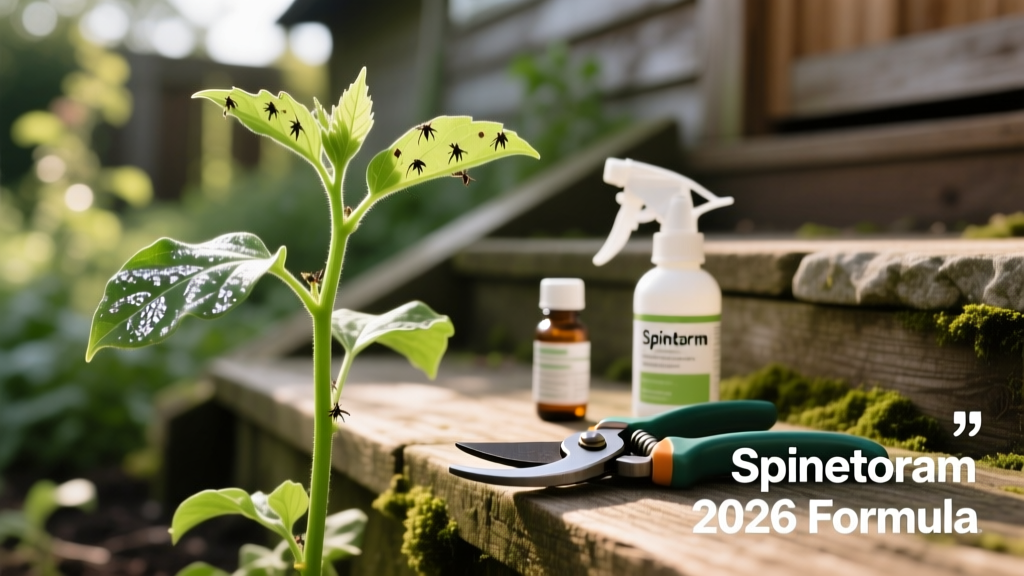
Thrips Damage ID & Pruning for Spinetoram Treatment 2026
David ParkPublished
Introduction to Thrips and the 2026 Integrated Approach
Thrips are among the most frustrating and destructive pests that can invade your garden, greenhouse, or lawn landscape. As of 2026, the shift toward targeted Integrated Pest Management (IPM) has become more critical than ever. With pesticide resistance on the rise, home gardeners and professional horticulturists alike are turning to a combination of mechanical and chemical controls. Specifically, the synergy between strategic pruning methods and the application of spinetoram has emerged as a gold standard for managing severe thrips infestations. This comprehensive guide will walk you through identifying thrips damage, executing precise pruning techniques, and timing your spinetoram treatments for maximum efficacy in the 2026 growing season.
Identifying Thrips Damage in Your Garden
Before you make a single pruning cut, accurate identification is paramount. Thrips are minuscule, slender insects—often less than 1/20th of an inch long—that possess unique rasping-sucking mouthparts. They scrape the surface of plant tissues and feed on the leaking sap, leaving behind a distinct, silvery or bronze scarring. According to the University of California Integrated Pest Management program, this stippling is often accompanied by tiny black specks of fecal matter, which is a hallmark sign of a thrips colony.
Look closely at new growth, unopened flower buds, and the undersides of leaves. Thrips prefer tight, protected spaces where they can feed and lay eggs undisturbed. Infested buds may fail to open, or the resulting flowers will emerge deformed, with brown, necrotic edges. Furthermore, thrips are notorious vectors for devastating plant pathogens, including the Tomato Spotted Wilt Virus (TSWV) and Impatiens Necrotic Spot Virus (INSV). Recognizing these symptoms early allows you to intervene before the population explodes and viral transmission occurs.
The Role of Pruning in Thrips Management
Why prune for pest control? Thrips thrive in dense canopies and tightly packed floral structures where air circulation is poor and sunlight cannot penetrate. These microclimates protect them from both environmental stressors and chemical sprays. By employing strategic pruning methods, you physically remove the harborages and heavily infested tissues, drastically reducing the baseline pest population.
Pruning also opens up the plant architecture. This improved airflow and light penetration create a less hospitable environment for thrips while simultaneously ensuring that your subsequent spinetoram applications can thoroughly coat the remaining foliage. In 2026, mechanical sanitation through pruning is recognized as a foundational pillar of sustainable pest control, reducing the total volume of chemical interventions required.
Pruning Methods for Thrips-Infested Plants
When executing your pruning strategy, technique and sanitation are non-negotiable. Use sharp, high-quality bypass pruners to make clean cuts that heal quickly. Avoid anvil pruners, which can crush plant tissue and create open wounds that invite secondary fungal infections.
- Targeted Removal: Focus on removing heavily scarred leaves, deformed terminals, and spent flower heads (deadheading). Thrips often congregate in aging or dying plant tissue.
- Canopy Thinning: Selectively remove inward-growing branches and crossing limbs to open the center of the plant. This reduces humidity and exposes hidden thrips populations to natural predators and spray treatments.
- Strict Sanitation: You must sterilize your pruning tools between every single cut. Use a 70% isopropyl alcohol solution or a commercial horticultural disinfectant. This prevents the mechanical transmission of TSWV and other viruses from an infected plant to a healthy one.
- Proper Disposal: Never compost thrips-infested clippings. The heat of a standard home compost pile is rarely sufficient to kill thrips pupae or viruses. Seal all pruned material in heavy-duty plastic bags and dispose of them in the municipal trash immediately.
Timing Your Pruning for Maximum Impact
Timing your pruning correctly minimizes plant stress and maximizes pest removal. The best time of day to prune for thrips control is early morning. During the cooler morning hours, thrips are less active and less likely to fly away to neighboring plants when disturbed. Furthermore, pruning in the morning allows the plant's wounds to begin the drying and callousing process during the daylight hours, reducing the risk of pathogen entry.
Seasonally, major structural pruning and thinning should be done in late winter or early spring before the primary flush of new growth begins. However, during the active growing season, continuous deadheading and light thinning are essential. By removing fading blooms before they become thrips nurseries, you break the reproductive cycle of the pest.
Spinetoram Treatment: The Chemical Backup
Once you have pruned and sanitized your plants, it is time to address the remaining population with a targeted chemical intervention. Spinetoram is a next-generation spinosyn insecticide derived from the soil-dwelling bacterium Saccharopolyspora spinosa. According to the Insecticide Resistance Action Committee (IRAC), spinetoram belongs to Group 5, which acts on the insect's nicotinic acetylcholine receptors, causing rapid nervous system failure.
Spinetoram is highly valued in 2026 for its exceptional efficacy against thrips, including species that have developed resistance to pyrethroids and neonicotinoids. Crucially, it exhibits a favorable environmental profile. Once the spray residue has dried, it is relatively safe for many beneficial insects, making it an excellent fit for IPM protocols that prioritize ecological balance.
Integrating Pruning and Spinetoram Applications
The true magic of this protocol lies in the integration of mechanical and chemical methods. Following the EPA's core IPM principles, you should never spray a heavily overgrown, unpruned plant. The dense foliage will block the spinetoram from reaching the inner canopy where thrips hide, leading to treatment failure and accelerated resistance.
The 2026 Integration Protocol:
- Scout and Assess: Confirm thrips presence and map the extent of the damage.
- Prune and Sanitize: Execute the pruning methods outlined above. Remove the worst-infested material and open the canopy.
- The 48-Hour Waiting Period: Wait 24 to 48 hours after pruning before applying spinetoram. This allows the plant's pruning wounds to callous over, preventing phytotoxicity (chemical burn) and reducing the risk of the active ingredient being absorbed systemically in unintended ways. It also allows any displaced beneficial insects, like minute pirate bugs, to migrate back into the area.
- Apply Spinetoram: Mix the spinetoram product according to the label. Use a fine mist sprayer to ensure complete coverage, paying special attention to the undersides of leaves and the newly exposed inner branches. The reduced canopy now allows the spray to penetrate effectively.
2026 Spinetoram Product Comparison & Application Rates
Selecting the right formulation is critical for success. Below is a comparison of premier spinetoram-based products available to professionals and serious home horticulturists in 2026.
| Product Name | Active Ingredient | Target Use Case | Typical Rate (per 100 gal) | REI (Re-Entry Interval) |
|---|---|---|---|---|
| Radiant SC | Spinetoram (11.7%) | Commercial Greenhouse & Ornamentals | 5 - 10 fl oz | 4 Hours |
| Delegate WG | Spinetoram (25%) | Commercial Fruit & Nut Orchards | 1.5 - 3 oz | 4 Hours |
| Entrust SC (Organic Alt) | Spinosad (Organic equivalent) | Home Garden & Organic Farms | 1.5 - 3 fl oz | 4 Hours |
Note: While Entrust relies on spinosad rather than spinetoram, it shares the same IRAC Group 5 mode of action and is the most accessible alternative for home gardeners unable to purchase commercial spinetoram formulations. Always read and follow the specific manufacturer label instructions for your region and crop.
Best Practices and Safety Precautions
Even with reduced-risk chemicals like spinetoram, safety and resistance management must remain top priorities. Always wear appropriate personal protective equipment (PPE), including chemical-resistant gloves, long sleeves, and eye protection when mixing and applying treatments. To prevent thrips from developing resistance to Group 5 insecticides, rotate spinetoram with products from different IRAC groups (such as Group 23 or Group 29) in subsequent treatment cycles.
Finally, protect pollinators. Although spinetoram is safer than many broad-spectrum insecticides once dry, it is highly toxic to bees while wet. Apply your treatments in the late evening or at dusk when foraging bees have returned to their hives. By combining meticulous pruning methods with intelligent, well-timed spinetoram applications, you can reclaim your garden from thrips and maintain a vibrant, healthy landscape throughout the 2026 season and beyond.