Pest Control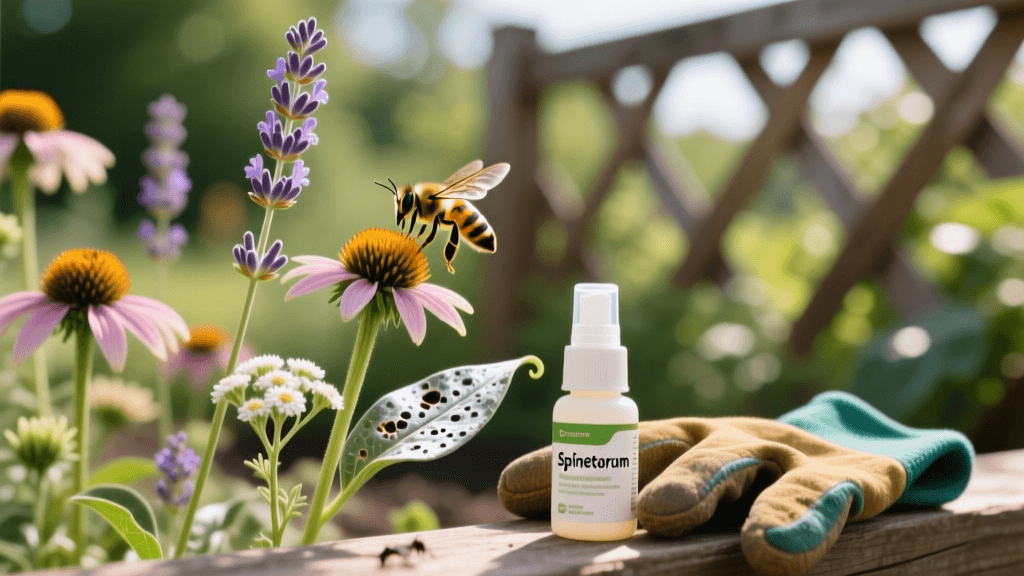
Identify Thrips Damage & Use Spinetoram Safely: 2026 Guide
The Pollinator Garden Dilemma in 2026
Pollinator-friendly garden design has evolved significantly by 2026. Modern gardeners no longer just plant isolated patches of milkweed and coneflowers; we cultivate complex, layered ecosystems designed to support native bees, butterflies, and beneficial insects from early spring through late autumn. However, these lush, diverse, and continuously blooming habitats also invite opportunistic pests. Among the most destructive, elusive, and frustrating of these are thrips. As gardeners strive to maintain vibrant blooms without harming the very pollinators they are trying to attract, finding the right balance between effective pest control and ecological safety is paramount. This guide explores how to accurately identify thrips damage and utilize spinetoram—one of the most effective modern insecticides—without compromising your pollinator sanctuary.
Identifying Thrips Damage: The Silent Bloom Destroyers
Thrips are minuscule, slender insects, typically measuring between 1/25 and 1/8 of an inch long. Despite their size, their feeding mechanism is incredibly destructive. Unlike aphids that pierce and suck, or caterpillars that chew, thrips possess rasping-sucking mouthparts. They scrape away the outer layer of plant tissue and then suck up the exuded cellular contents. According to the University of California Statewide IPM Program, this unique feeding behavior leaves behind highly characteristic damage patterns that every pollinator gardener must learn to recognize.
Key Visual Indicators of Thrips Infestation
- Silvery Streaks and Stippling: The most common sign of thrips feeding is a silvery or bronze discoloration on the surface of leaves and flower petals. This scarring occurs where the plant cells have been emptied of their chlorophyll and nutrients.
- Black Fecal Specks: Thrips leave behind tiny, dark, varnish-like drops of frass (excrement) on the undersides of leaves and along leaf veins. If you see silvery streaks accompanied by black specks, thrips are almost certainly the culprit.
- Distorted Growth: Because thrips prefer to feed on tender, rapidly dividing cells, new leaves and emerging flower buds often emerge twisted, curled, or stunted. In severe cases, flower buds may fail to open entirely or drop prematurely.
- Pollen Depletion: In pollinator gardens, thrips often hide deep inside flower blossoms, feeding on pollen. This not only ruins the aesthetic of the bloom but deprives visiting bees and butterflies of a vital food source.
The Viral Threat: TSWV and INSV
Beyond cosmetic and nutritional damage, thrips are notorious vectors for devastating plant viruses, most notably the Tomato Spotted Wilt Virus (TSWV) and Impatiens Necrotic Spot Virus (INSV). As noted by the University of Minnesota Extension, the western flower thrip is a primary vector for these pathogens, which can cause ring spots, necrotic lesions, and eventual plant death. In a diverse pollinator garden, an unchecked thrips population can rapidly transmit these viruses from ornamental weeds to prized perennials and vegetable crops.
Thrips vs. Other Common Garden Pests
Misdiagnosing a pest problem can lead to the wrong treatment, which is especially dangerous when trying to protect pollinators. Use the comparison table below to ensure you are dealing with thrips before reaching for spinetoram.
| Pest | Primary Damage Signs | Typical Location | Impact on Pollinators |
|---|---|---|---|
| Thrips | Silvery streaks, black frass, deformed buds | Underside of leaves, deep inside blooms | Destroys pollen, ruins bloom structure |
| Spider Mites | Yellow stippling, fine silk webbing, bronzing | Underside of leaves, mostly in hot/dry weather | Weakens plant, reduces nectar production |
| Aphids | Curled leaves, sticky honeydew, sooty mold | New growth, stems, leaf undersides | Attracts ants which may deter pollinators |
| Japanese Beetles | Skeletonized leaves (veins left intact) | Top of leaves, flower petals, fruits | Consumes petals, reducing floral display |
Spinetoram: The Modern Solution for Thrips Control
When cultural controls and physical barriers fail, chemical intervention may be necessary to save a prized pollinator plant from severe thrips damage. In 2026, spinetoram remains one of the most highly recommended active ingredients for thrips management. Spinetoram is a synthetic derivative of spinosad, which is itself a fermentation product of the soil-dwelling bacterium Saccharopolyspora spinosa. It works by targeting the nicotinic acetylcholine receptors in the insect's nervous system, causing rapid paralysis and death.
Spinetoram is highly effective against thrips because it possesses translaminar properties. This means that when applied to the surface of a leaf, the active ingredient penetrates the leaf tissue and moves to the opposite side. Since thrips frequently hide on the undersides of leaves or burrow into tight floral crevices where direct spray contact is impossible, translaminar activity ensures the pests ingest the insecticide as they continue to feed.
The Pollinator Safety Protocol: Wet vs. Dry
The most critical piece of information for any pollinator-friendly gardener using spinetoram is understanding its toxicity profile regarding bees and butterflies. According to the UC IPM Pesticide Education Profile, spinetoram is classified as highly toxic to bees on an acute contact basis when the product is wet. However, once the spray has completely dried on the plant foliage, the toxicity to bees drops to practically non-toxic.
This unique characteristic makes spinetoram an invaluable tool for Integrated Pest Management (IPM) in pollinator gardens, provided it is applied with strict adherence to timing and technique. Broad-spectrum pyrethroids and neonicotinoids, by contrast, can leave long-lasting toxic residues on pollen and nectar, making them entirely unsuitable for gardens designed to support native bees and honeybees.
Step-by-Step Pollinator-Safe Application
To utilize spinetoram safely in your 2026 pollinator garden, follow these rigorous application protocols:
- Time Your Spray for Dusk: Never apply spinetoram during the morning or afternoon when bees, butterflies, and other beneficial insects are actively foraging. Apply the treatment at dusk or in the early evening. This gives the product several hours to dry completely in the dark before pollinators resume activity the following morning.
- Avoid Open Blooms: Whenever possible, target the foliage and stems rather than spraying directly into open flower blossoms. If a plant is in full, heavy bloom and experiencing a severe thrips infestation, consider deadheading the worst-affected flowers before spraying to minimize any residual exposure in the nectar.
- Mow Flowering Cover Crops and Weeds: Before treating your target ornamental plants, mow down any flowering weeds (like dandelions or clover) or blooming cover crops in the immediate vicinity. This prevents foraging bees from landing on treated non-target plants.
- Respect the Buffer Zone: Avoid spraying on windy days to prevent drift onto adjacent pollinator habitats, water sources, or neighboring properties that may be hosting active hives.
Integrating Spinetoram into a Broader IPM Strategy
In a true pollinator-friendly garden, chemical treatments are the exception, not the rule. Spinetoram should be viewed as a rescue treatment within a broader Integrated Pest Management (IPM) framework. Over-reliance on any single active ingredient, even a reduced-risk one like spinetoram, can lead to pest resistance and harm non-target beneficial insects.
Monitoring and Thresholds
Before deciding to spray, confirm that the thrips population has reached an actionable threshold. Use blue or yellow sticky cards placed just above the plant canopy to monitor adult thrips movement. For direct observation, gently tap a suspected flower or branch over a piece of white paper. If you see tiny, fast-moving, yellowish or dark slivers scurrying across the paper, you have thrips. However, a few thrips do not warrant a chemical response. Treatment is generally only justified when you see widespread silvery scarring, bud distortion, or evidence of viral transmission.
Leveraging Beneficial Insects
Pollinator gardens are naturally rich in biodiversity, which includes predatory insects that feed on thrips. The minute pirate bug (Orius insidiosus) is a voracious predator of thrips at all life stages. Additionally, predatory mites like Amblyseius cucumeris can be introduced or encouraged to feed on thrips larvae. While spinetoram is softer on beneficials than older chemical classes, it can still harm minute pirate bugs and predatory mites if applied directly. By reserving spinetoram for severe, localized outbreaks and allowing beneficial insects to manage background populations, you maintain the ecological balance of your garden.
Cultural and Physical Controls
- Sanitation: Thrips pupate in the soil and leaf litter. Regularly clear away heavily infested plant debris, fallen petals, and dead leaves from the base of your pollinator plants to disrupt their life cycle.
- Reflective Mulches: In vegetable gardens or around young perennial transplants, using UV-reflective silver mulches can disorient incoming adult thrips, significantly reducing initial colonization rates.
- Water Management: Overhead watering can physically knock thrips off plants and increase humidity, which promotes the growth of naturally occurring entomopathogenic fungi that attack thrips populations. However, be mindful of fungal leaf diseases when using this method.
Conclusion
Designing and maintaining a thriving pollinator garden in 2026 requires a nuanced approach to pest management. Thrips pose a significant threat to the health, beauty, and ecological function of our floral resources, but they can be managed effectively without resorting to ecologically devastating chemicals. By learning to accurately identify thrips damage, understanding the unique wet-toxic/dry-safe profile of spinetoram, and strictly adhering to evening application protocols, you can protect your prized blooms. Combine these targeted treatments with robust monitoring, cultural sanitation, and the promotion of natural predators, and your garden will remain a safe, vibrant haven for pollinators for seasons to come.