Pest Control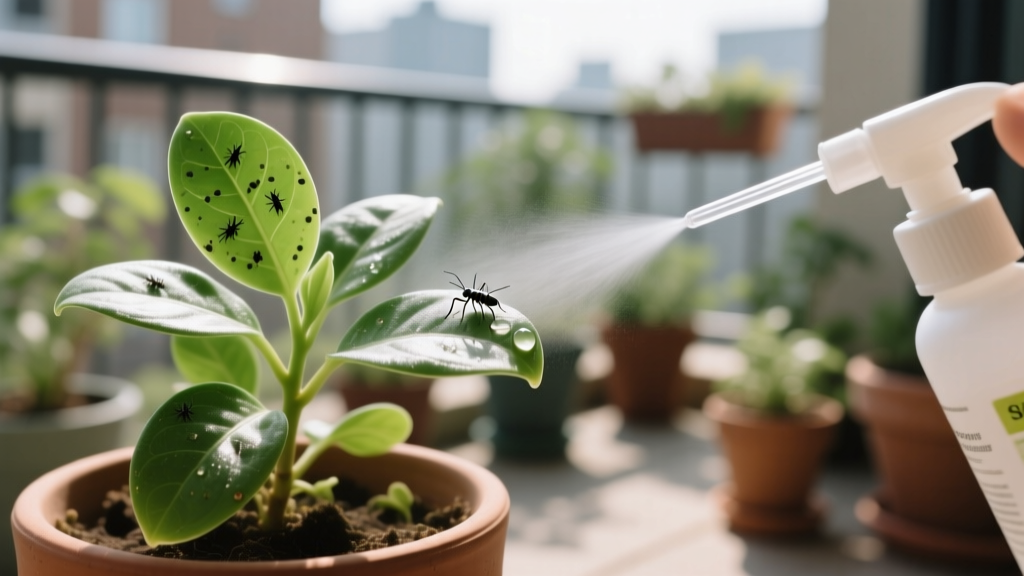
Thrips Damage & Spinetoram Treatment for Potted Plants 2026
Mike RodriguezPublished
The Hidden Threat to Your Container Garden: Thrips in 2026
Container and pot gardening offers incredible flexibility, allowing you to cultivate vibrant flora on patios, balconies, and indoor sunrooms. However, the unique microclimates created by potted environments often make them prime targets for specific pests. As we navigate the 2026 growing season, thrips remain one of the most destructive and elusive insects plaguing container gardeners. Unlike sprawling landscape beds, potted plants are often clustered together, creating a dense canopy that allows thrips to spread rapidly from pot to pot.
Thrips are minuscule, slender insects that feed by puncturing plant cells and sucking out the contents. In container setups—where plants are already dealing with the natural stress of restricted root zones and fluctuating soil moisture—a thrips infestation can quickly escalate from a minor nuisance to total defoliation. Fortunately, advanced Integrated Pest Management (IPM) strategies and modern active ingredients like spinetoram have revolutionized how we protect our potted specimens.
Identifying Thrips Damage on Potted Plants
Because thrips are incredibly small (often less than 1/20th of an inch long) and tend to hide in tight crevices, flower buds, and the undersides of leaves, you will usually notice the damage before you see the insects themselves. According to the University of California Agriculture and Natural Resources (UC ANR), early identification is critical to preventing systemic damage to your container garden.
Look for the following hallmark signs on your potted plants:
- Silvery Stippling: The most common visual cue. Leaves develop pale, silvery, or grayish speckled patches where the cellular contents have been drained.
- Black Fecal Specks: Thrips leave behind tiny, varnish-like black droppings (frass) on the leaf surface, often clustering near the silvery feeding scars.
- Distorted New Growth: Because thrips prefer tender, young tissue, emerging leaves and flower buds on your potted citrus, hibiscus, or tomatoes may emerge curled, crinkled, or stunted.
- Petal Streaking: On flowering patio plants like orchids and roses, thrips feeding causes brown streaks and premature dropping of petals.
Thrips vs. Spider Mites: A Container Gardener's Dilemma
Potted plants situated on hot, dry patios are highly susceptible to both thrips and spider mites. Misidentifying the pest can lead to the wrong treatment. Use the comparison chart below to accurately diagnose your container plants in 2026.
| Symptom / Sign | Thrips Damage | Spider Mite Damage |
|---|---|---|
| Leaf Appearance | Silvery/gray irregular stippling | Bronze or yellow stippling, overall fading |
| Residue Left Behind | Hard, black, varnish-like fecal drops | Fine, silken webbing (especially on leaf tips) |
| Preferred Plant Area | New growth, flower buds, leaf undersides | Older leaves first, moving upward |
| Visual Pest Check | Fast-moving, elongated, winged/fringed | Slow-moving, round, eight-legged, reddish/green |
What is Spinetoram? The 2026 IPM Standard
When cultural controls and biological predators are overwhelmed in a confined patio space, chemical intervention becomes necessary. Enter spinetoram, a highly effective, reduced-risk insecticide that has become a cornerstone of advanced IPM programs for serious container gardeners and boutique greenhouse operators.
Spinetoram is a synthetic modification of spinosad, which is derived from the soil-dwelling bacterium Saccharopolyspora spinosa. While traditional spinosad has been a staple for organic gardeners, it breaks down relatively quickly under ultraviolet (UV) light. For outdoor balcony gardens and sun-drenched patio pots, this rapid UV degradation means shorter residual control. Spinetoram was engineered specifically to offer superior UV stability and a broader spectrum of control while maintaining a favorable environmental profile.
According to the Insecticide Resistance Action Committee (IRAC), spinetoram belongs to Group 5 (Nicotinic acetylcholine receptor allosteric activators). It targets the insect's nervous system, causing rapid cessation of feeding, paralysis, and death. Crucially, it exhibits excellent translaminar activity—meaning when sprayed on the top of a potted plant's leaf, it absorbs into the leaf tissue and kills thrips hiding and feeding on the underside.
How to Apply Spinetoram to Container Plants
Applying spinetoram to potted plants requires precision to ensure efficacy while protecting beneficial pollinators and the local environment. Always read the specific product label approved for your region in 2026, as formulations and concentrations vary between commercial and prosumer brands.
Step-by-Step Application Guide
- Isolate the Infested Pots: Move heavily infested container plants away from your healthy stock. Thrips can easily drift on the wind or hitch a ride on your clothing.
- Prepare the Spray Solution: For most prosumer liquid concentrates containing spinetoram, the standard dilution rate for ornamental potted plants is approximately 2.5 to 5 fluid ounces per 100 gallons of water. For smaller, hand-held pump sprayers (1-gallon capacity), this translates to roughly 1/4 to 1/2 teaspoon per gallon. Always verify with the EPA-approved product label before mixing.
- Add a Non-Ionic Surfactant: Container plants often have waxy leaf cuticles (especially succulents and citrus). Adding a few drops of a horticultural non-ionic surfactant to your sprayer will break the water's surface tension, ensuring the spinetoram coats the leaf evenly and penetrates the tissue.
- Target the Micro-Habitats: Spray the undersides of the leaves, the growing tips, and the tight whorls of new foliage where thrips congregate. Avoid drenching the potting soil, as spinetoram is primarily a foliar treatment and can be harmful to soil-dwelling beneficial organisms if over-applied to the root zone.
- Observe the Re-Entry Interval (REI): Keep pets and children away from treated patio containers until the foliage is completely dry. Spinetoram is highly toxic to bees while wet; therefore, apply the spray in the late evening when pollinators are no longer foraging on your potted flowers.
Building a Comprehensive IPM Strategy for Pots
While spinetoram is a powerful tool, relying solely on one chemical mode of action will inevitably lead to pesticide resistance. The IRAC strongly recommends rotating Group 5 insecticides with other chemical classes or biological controls.
1. Biological Controls (Post-Treatment)
Spinetoram has a relatively short residual impact on predatory insects compared to older, broad-spectrum synthetics. About 7 to 10 days after your spinetoram application, you can safely introduce biological controls into your container garden. Release Amblyseius cucumeris (predatory mites) directly onto the soil surface and lower leaves of your pots to hunt down thrips larvae. For larger patio setups, introducing minute pirate bugs (Orius insidiosus) can provide exceptional control of adult thrips hiding in flower buds.
2. Cultural and Physical Controls
- Blue Sticky Traps: Thrips are highly attracted to the color blue. Hang small blue sticky cards just above the canopy of your most vulnerable potted plants to monitor population levels and trap flying adults.
- Saucer and Soil Management: Thrips drop to the soil to pupate. Keep the surface of your potting mix free of decaying plant debris. For high-value container specimens, applying a 1/2-inch layer of fine sand or reflective silver mulch to the top of the potting soil can disrupt the pupation cycle and deter adults from emerging.
- Spacing and Airflow: Overcrowded pots create the humid, still air that thrips love. Space your containers to allow for adequate airflow, which also helps prevent secondary fungal issues like powdery mildew.
Frequently Asked Questions
Is spinetoram safe for edible plants in my container vegetable garden?
Yes, many spinetoram formulations are registered for use on edible crops, including potted tomatoes, peppers, and herbs. However, you must strictly observe the Pre-Harvest Interval (PHI) listed on the 2026 label, which dictates how many days you must wait between spraying and harvesting your vegetables. Typically, the PHI for spinetoram on fruiting vegetables is 1 to 3 days.
How often should I spray my potted plants with spinetoram?
To break the thrips life cycle, applications are generally spaced 5 to 7 days apart for a maximum of two consecutive treatments. After two applications, you must rotate to an insecticide with a different IRAC Mode of Action group (such as Group 9B or Group 23) to prevent the thrips population in your garden from developing genetic resistance.
Can I mix spinetoram with liquid fertilizers for my pots?
It is generally not recommended to mix spinetoram with liquid fertilizers or horticultural oils in the same sprayer tank. Oils and certain nutrient salts can interfere with the translaminar absorption of the active ingredient and increase the risk of phytotoxicity (leaf burn), especially on tender new growth common in containerized plants.
Conclusion
Container gardening in 2026 requires a proactive, science-backed approach to pest management. By accurately identifying the silvery stippling and black frass of a thrips infestation, and strategically deploying advanced, UV-stable treatments like spinetoram, you can protect your potted oasis. Combine these targeted chemical interventions with rigorous cultural practices and biological predators, and your patio garden will remain a thriving, vibrant sanctuary all season long.