Pest Control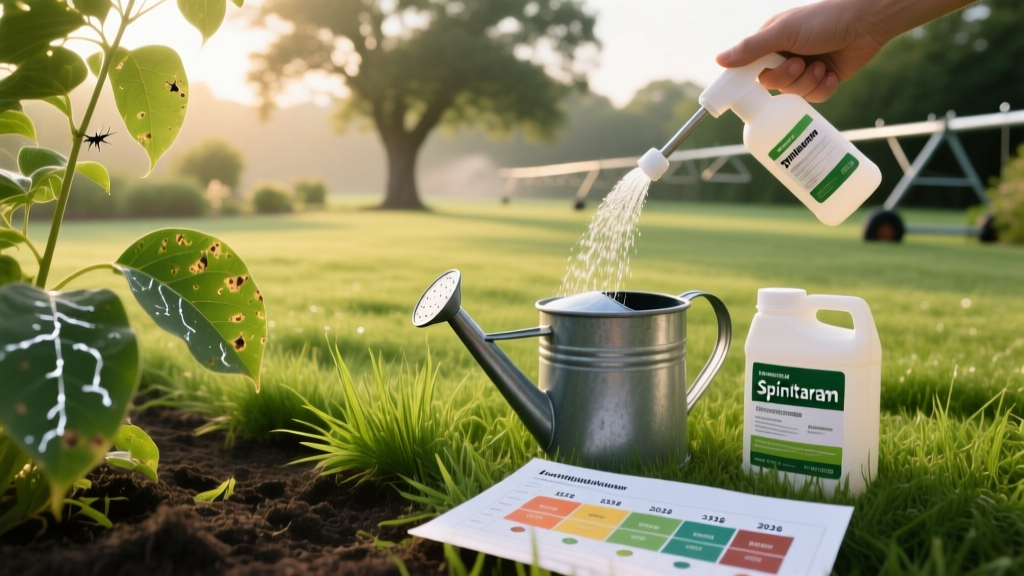
Thrips Damage and Spinetoram Treatment: 2026 Fertilizer Guide
Robert HayesPublished
The Intersection of Thrips, Spinetoram, and Fertilizer in 2026
As we navigate the 2026 growing season, integrated pest management (IPM) requires a holistic approach that goes beyond simply spraying chemicals when bugs appear. One of the most destructive and elusive pests facing homeowners and landscapers today is the thrip. These microscopic, slender insects can wreak havoc on lawns, ornamental plants, and garden vegetables, causing unsightly damage and stunting growth. However, the secret to long-term thrips control often lies beneath the soil surface: your fertilization strategy.
In this comprehensive guide, we will explore how to accurately identify thrips damage, utilize the highly effective active ingredient Spinetoram for treatment, and most importantly, how to adjust your fertilizer types and schedules to make your landscape naturally resistant to these sap-sucking pests.
Identifying Thrips Damage on Lawns and Ornamentals
Thrips are notoriously difficult to spot with the naked eye due to their minuscule size (usually under 1/20th of an inch) and their habit of hiding deep within leaf whorls, flower buds, and thatch layers. According to the University of California IPM, thrips feed by puncturing the epidermal layer of plant tissue and sucking out the cell contents. This unique feeding mechanism results in several distinct visual symptoms:
- Silvering and Stippling: The most common early sign of thrips damage is a silvery or pale, stippled appearance on the surface of grass blades and ornamental leaves. As the empty plant cells die, they reflect light differently, creating a metallic sheen.
- Black Fecal Specks: Thrips leave behind tiny, varnish-like black droppings on the leaves. If you see silvering accompanied by these black specks, you almost certainly have a thrips infestation.
- Distorted Growth: In severe cases, especially on new shoots and ornamental flowers, thrips saliva injects toxins that cause leaves to curl, pucker, and grow in a distorted, stunted manner.
- Chlorosis and Premature Drop: Heavy feeding drains the plant of essential nutrients, leading to yellowing (chlorosis) and premature dropping of leaves or blossoms.
To confirm their presence, hold a piece of white paper beneath a suspected plant or grass blade and tap it sharply. If tiny, slender, fast-moving yellow, brown, or black specks fall onto the paper and begin to scurry around, you are dealing with thrips.
The Fertilizer Connection: Nitrogen and Thrips Susceptibility
Why do some lawns suffer devastating thrips outbreaks while neighboring yards remain untouched? The answer frequently comes down to fertilizer types and application schedules. Thrips are highly attracted to soft, succulent, rapidly growing plant tissue. When you apply high levels of quick-release nitrogen, you force the plant to push out rapid, weak growth with thin cell walls. This makes it incredibly easy for thrips' piercing-sucking mouthparts to penetrate the tissue.
Conversely, a balanced fertilization program that emphasizes slow-release nitrogen, adequate potassium, and secondary macronutrients like calcium and silica promotes thick, robust cell walls that physically deter thrips from feeding. As noted by Clemson University Extension, maintaining optimal plant health through balanced nutrition is a foundational pillar of cultural pest control.
Fertilizer Types and Thrips Risk Profile
| Fertilizer Type | Release Rate | Thrips Attraction Risk | Best Use Case for IPM |
|---|---|---|---|
| Quick-Release Urea (46-0-0) | Immediate (1-2 weeks) | Very High (Creates soft, vulnerable tissue) | Rarely use; only for severe nutrient deficiency rescue. |
| Sulfur-Coated Urea (SCU) | Slow (8-12 weeks) | Low (Promotes steady, hardy growth) | Primary nitrogen source for spring and fall base feeding. |
| Methylene Urea (MU) | Slow to Medium | Low (Excellent cell wall development) | Premium lawn programs and high-traffic turf areas. |
| High-Potassium / Silica Blends | Variable | Repellent (Thickens epidermis, deters feeding) | Summer stress periods to harden plants against pests. |
Optimizing Your 2026 Fertilizer Schedule for Pest Resistance
To minimize thrips pressure throughout the 2026 season, shift away from heavy, frequent applications of liquid synthetic nitrogen. Instead, adopt a schedule that builds plant immunity and structural integrity.
Early Spring (March - April): Apply a slow-release, sulfur-coated urea fertilizer (e.g., 24-0-11 with 50% slow-release N). This provides a steady drip of nutrients that encourages deep root growth and thick blade development without the sudden flush of soft tissue that attracts overwintering thrips.
Late Spring to Early Summer (May - June): Thrips populations naturally explode as temperatures rise. During this window, avoid heavy nitrogen applications entirely. Instead, apply a potassium-rich fertilizer (like a 0-0-22 or a kelp-based biostimulant) combined with soluble silica. Silica is deposited in the plant's epidermal cells, essentially creating a microscopic layer of "glass" that makes it incredibly difficult for thrips to pierce the leaf surface.
Late Summer (August): If the lawn shows signs of nitrogen deficiency (paling), use a light application of organic nitrogen, such as feather meal or milorganite. Organic sources break down slowly via microbial activity, ensuring the grass grows at a natural, pest-resistant pace.
Fall (September - October): Return to a balanced, slow-release NPK fertilizer to help the turf recover from summer stress and store carbohydrates for winter, ensuring it emerges thick and competitive the following spring.
Spinetoram Treatment: The 2026 Gold Standard for Thrips
When cultural controls and fertilizer adjustments are not enough to suppress an active, damaging thrips population, chemical intervention becomes necessary. In 2026, Spinetoram remains one of the most effective and environmentally responsible active ingredients for thrips control. Spinetoram is a synthetic derivative of spinosyns, which are produced through the fermentation of the soil-dwelling bacterium Saccharopolyspora spinosa.
Classified under IRAC Group 5, Spinetoram targets the insect's nervous system, causing rapid cessation of feeding, paralysis, and death. It is highly valued in modern IPM programs because it exhibits excellent translaminar movement (absorbing into the leaf tissue) and has a lower toxicity profile for beneficial insects once it has dried, compared to older pyrethroids.
Application Guidelines for Spinetoram
- Timing is Everything: Spinetoram is most effective against the larval stages of thrips. Because thrips larvae are actively feeding on the leaf surface (before they drop to the soil to pupate), foliar application is highly effective. Apply in the early morning or late evening to avoid UV degradation and to protect foraging pollinators.
- Thorough Coverage: Thrips hide in tight spaces. Use a spray nozzle that produces a fine mist and ensure you cover both the top and bottom of ornamental leaves, as well as the thatch layer of the lawn. Adding a non-ionic surfactant or horticultural oil (at a 0.5% to 1% rate) will help the Spinetoram penetrate the leaf cuticle and reach hidden pests.
- Rotation: To prevent pesticide resistance, do not rely solely on Spinetoram. Rotate with insecticides from different IRAC groups, such as Group 3 (Pyrethroids like Bifenthrin) or Group 9B (Pymetrozine), in subsequent treatment cycles if necessary.
Integrating Spinetoram with Your Fertilization Calendar
A common mistake homeowners make is applying foliar pesticides and liquid fertilizers in the same tank mix or on the same day. This can lead to phytotoxicity (leaf burn) and reduce the efficacy of both products. Here is how to integrate Spinetoram treatments into your 2026 fertilizer schedule seamlessly:
- The 7-Day Rule: Never apply Spinetoram within 7 days of a heavy quick-release liquid nitrogen application. The combination of chemical salts and surfactants can burn the soft new growth.
- Fertilize First, Treat Second: If your lawn is nutrient-deficient and under pest attack, apply your slow-release granular fertilizer first, water it in deeply, and wait 3 to 5 days. Once the plant has absorbed the nutrients and begun to recover its turgor pressure, apply the Spinetoram foliar spray. A well-hydrated, properly nourished plant will metabolize the pesticide more safely and recover from pest damage much faster.
- Post-Treatment Care: After a Spinetoram application, avoid mowing the lawn for at least 48 hours to allow the chemical to fully translocate within the grass blades. Resume your normal irrigation schedule, but avoid overhead watering in the late afternoon, as prolonged leaf wetness can encourage fungal pathogens to enter the tiny feeding scars left by the thrips.
Conclusion
Managing thrips in 2026 requires a sophisticated approach that bridges the gap between entomology and agronomy. By accurately identifying the silvering and stippling caused by these microscopic pests, you can deploy Spinetoram as a targeted, highly effective rescue treatment. However, the true key to long-term landscape resilience lies in your fertilizer schedule. By abandoning quick-release nitrogen spikes in favor of slow-release formulations, potassium, and silica, you build a landscape with natural, structural defenses. Combine these smart fertilization practices with precise Spinetoram applications, and your lawn and garden will remain lush, vibrant, and thrips-free throughout the season.