Pest Control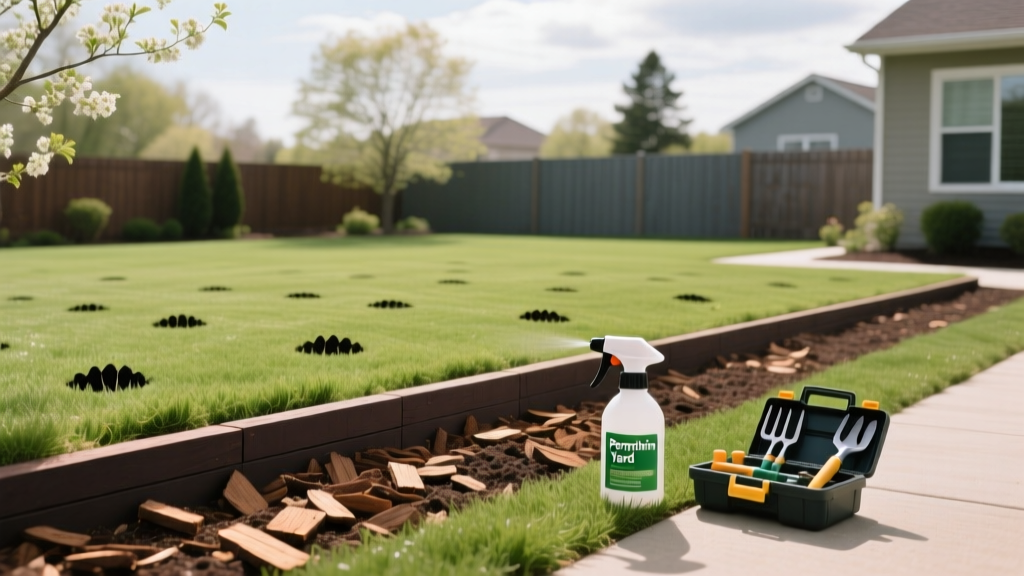
2026 Tick Control: Permethrin, Wood Chips & Aeration Guide
Sarah ChenPublished
The 2026 Tick Threat: Why Integrated Pest Management is Essential
As we navigate the 2026 lawn care season, the geographical expansion of tick populations continues to pose a significant threat to homeowners, pets, and outdoor enthusiasts. Driven by shifting climate patterns and expanding suburban sprawl into wooded areas, species like the blacklegged tick (deer tick) and the Lone Star tick are now prevalent in regions where they were rarely seen a decade ago. According to the Centers for Disease Control and Prevention (CDC), tick-borne illnesses such as Lyme disease, Anaplasmosis, and Alpha-gal syndrome remain critical public health concerns. Relying solely on chemical sprays is no longer sufficient. The most effective approach for 2026 is a comprehensive Integrated Pest Management (IPM) strategy that combines cultural, physical, and chemical controls. Specifically, integrating core aeration, wood chip barriers, and targeted permethrin yard sprays creates a hostile environment for ticks, drastically reducing their populations without causing unnecessary harm to your lawn's ecosystem.
The Hidden Weapon: Core Aeration for Tick Deterrence
Most homeowners overlook soil health and lawn structure when battling pests, focusing entirely on pesticides. However, understanding tick biology reveals why core aeration is a foundational step in any serious tick control program. Ticks do not fly or jump; they crawl and "quest" by waiting on the tips of grass blades or hiding in the thatch layer for a host to brush past. Crucially, ticks are highly susceptible to desiccation (drying out). They require a microclimate with high relative humidity—typically above 80%—to survive. If the surface of your lawn is dry, ticks will quickly dehydrate and die.
Breaking the Saturation Deficit
The thatch layer—a dense mat of dead grass stems, roots, and debris that accumulates between the soil surface and the green grass blades—acts like a giant sponge. It traps moisture, blocks sunlight, and maintains the exact high-humidity environment ticks need to thrive. Core aeration involves using a machine to pull thousands of 2-to-3-inch soil plugs from your lawn. This process physically breaks up the thatch layer, alleviates soil compaction, and dramatically improves water infiltration and surface drainage. By removing the moisture-trapping thatch and allowing the sun and wind to reach the soil surface, core aeration lowers the surface humidity, effectively destroying the tick's required microclimate. In 2026, professional core aeration services typically cost between $150 and $250 for a standard quarter-acre lot, or you can rent a walk-behind aerator from a local home improvement store for about $90 to $120 per day.
Constructing the Wood Chip Barrier
While aeration dries out the main lawn, the edges of your property where the manicured grass meets the woods or tall brush remain prime tick habitats. Ticks rarely venture more than a few feet out of the shaded, humid tree line into open, sunny lawns. To exploit this behavioral trait, you must install a physical wood chip barrier. The Penn State Extension strongly recommends creating a dry, hot, and uneven border that ticks are unwilling or unable to cross.
Specifications for 2026
- Width: The barrier must be at least 3 feet wide. A 6-foot width provides even better protection for heavily wooded properties.
- Depth: Apply the wood chips to a depth of 3 to 4 inches. This ensures the underlying soil remains dry and creates a physically challenging terrain for crawling arachnids.
- Material: Use arborist wood chips or shredded cedar. Cedar contains natural aromatic oils (thujone) that act as a mild repellent to many insects and arachnids, though the primary mechanism of the barrier is physical desiccation. Avoid using fine mulch or pine straw, as these can retain moisture and actually harbor ticks.
- Maintenance: Rake the barrier monthly to prevent leaf litter from accumulating on top, which would reintroduce moisture and shade. Top up the chips annually in early spring.
Strategic Permethrin Application Post-Aeration
Permethrin is a synthetic pyrethroid insecticide that is highly effective against ticks. It works by disrupting the nervous system of the arachnid upon contact. However, the timing and method of application are critical. The Environmental Protection Agency (EPA) notes that permethrin binds tightly to organic matter and soil. If you spray permethrin on a lawn with a thick thatch layer, the chemical binds to the dead thatch and degrades rapidly under UV light, never reaching the soil surface where ticks actually hide. Furthermore, the next time you mow, you might bag up and remove the treated thatch, effectively removing your pesticide.
The Synergy of Aeration and Permethrin
This is where core aeration proves its value. By aerating first, you remove the excess thatch and open up the soil profile. When you apply permethrin a few days after aeration (once the soil plugs have dried and broken down), the chemical penetrates the upper soil layer and the remaining turf canopy, creating a long-lasting, lethal barrier for questing ticks. For 2026, products like Martin's 10% Permethrin Concentrate or Sawyer Products Permethrin Clothing and Gear Treatment (adapted for yard use via specific agricultural formulations) remain industry standards. Always purchase a concentrate and mix it yourself for cost-efficiency; a 16-ounce bottle of 10% concentrate costs around $35 and can treat over 20,000 square feet.
Mixing and Application Rates
For broadcast yard treatment, dilute 0.5 fluid ounces of 10% permethrin concentrate per gallon of water. Use a hose-end sprayer for large areas, ensuring you apply the mixture evenly to the perimeter of your lawn, the wood chip barrier, and any shaded areas near foundations or stone walls. Apply the spray in the early morning or late evening when the wind is calm and temperatures are below 85°F to prevent rapid evaporation and drift. Allow the spray to dry completely before allowing children or pets back onto the lawn.
Your 2026 Integrated Tick Management Calendar
| Season / Month | Action Step | Details & Specifications |
|---|---|---|
| Early Spring (March - April) | Core Aeration & Cleanup | Remove winter leaf litter. Perform core aeration to break up thatch, improve drainage, and dry the soil profile. Cost: ~$150. |
| Mid-Spring (May) | Wood Chip Barrier Installation | Lay down a 3-foot wide, 3-inch deep border of cedar or arborist wood chips between the lawn and wooded areas. |
| Late Spring (Late May - June) | Initial Permethrin Application | Apply 10% permethrin concentrate (0.5 oz/gal) to the perimeter, wood chip barrier, and shaded zones. Target nymphal tick stage. |
| Mid-Summer (July) | Barrier Maintenance | Rake wood chips to remove trapped leaves and debris. Reapply permethrin if heavy rainfall has occurred (permethrin lasts 4-6 weeks). |
| Early Fall (September) | Final Permethrin Application | Treat the perimeter again to target adult ticks seeking overwintering hosts. Keep grass mowed to 2.5 inches to reduce humidity. |
Safety Precautions for Pets and Pollinators
While permethrin is a cornerstone of tick control, it must be handled with respect. Permethrin is highly toxic to cats when wet. Cats lack the liver enzymes necessary to metabolize pyrethroids. If you have feline companions, strictly keep them indoors during the application process and until the spray has completely dried on the grass and wood chips (usually 2 to 4 hours). Once dry, permethrin binds to the soil and poses minimal risk to mammals, including dogs and humans.
Additionally, permethrin is highly toxic to aquatic life and bees. Never spray near koi ponds, streams, or storm drains. To protect pollinators, avoid spraying flowering weeds like clover or dandelions. Mow your lawn to remove any flower heads before applying the treatment. By combining the cultural practice of core aeration, the physical defense of wood chips, and the targeted chemical strike of permethrin, you can reclaim your outdoor space in 2026. This multi-layered IPM approach ensures that your lawn remains a safe, beautiful, and tick-free environment for your family to enjoy all year long.