Lawn Care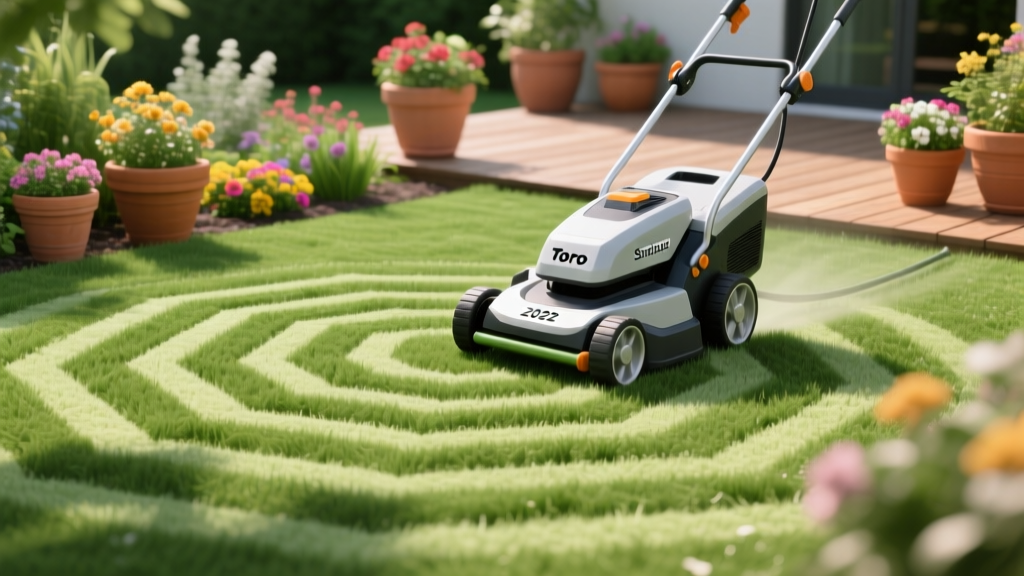
2026 Toro Striping Kit Patterns For Container Gardens
Sarah ChenPublished
The Intersection of Turf and Container Gardening
Welcome to the definitive 2026 guide on blending the meticulous art of lawn striping with the curated world of container and pot gardening. As urban and suburban landscapes evolve this year, the sprawling, monolithic backyard is increasingly being replaced by the 'micro-lawn.' These intimate turf patches serve as a lush, green carpet framed by large architectural pots, citrus trees in half-barrels, and seasonal container displays. Creating professional-grade lawn stripes in these smaller, obstacle-dense environments requires precision, the right equipment, and an understanding of spatial design. The Toro Striping Kit remains the premier attachment for homeowners looking to elevate their turf aesthetics, and when paired with a container-heavy garden layout, the visual payoff is extraordinary.
The Rise of the Container-Framed Micro-Lawn
In 2026, landscape design heavily favors modular, flexible gardening. Container gardening allows homeowners to control soil quality, manage water usage, and easily swap out seasonal color palettes without disturbing the underlying earth. However, the negative space between these pots—the lawn—requires just as much attention as the plants themselves. According to the University of Minnesota Extension on Container Gardening, integrating hardscapes and turf with potted arrangements creates vital visual balance. A striped lawn acts as a directional guide, drawing the eye from the patio outward toward your prized potted Japanese maples or terracotta olive trees. Because micro-lawns are typically under 2,000 square feet, traditional wide-radius striping patterns fail. You need tight, deliberate lines that complement the geometry of your pots and planters.
Why the Toro Striping Kit Excels in Tight Spaces
The Toro Striping Kit, designed primarily for the 22-inch Toro Recycler and Super Recycler mowers, uses a weighted rubber roller that attaches to the rear of the mower deck. Unlike heavy steel rollers that can compact the soil in small, high-traffic yard areas, the Toro kit gently bends the grass blades over. As noted by the University of Minnesota Extension, bending the grass blade reflects light differently, creating the illusion of dark and light stripes without damaging the turf crown. For container gardens, where soil compaction near the edges of heavy planters is a major concern, this lightweight, flexible roller is essential. The 2026 iterations of the Toro mounting brackets feature improved quick-release pins, making it easier to detach the roller when you need to maneuver the mower into a tight storage shed or navigate a narrow gate between raised beds and large urn planters.
Top Striping Patterns for Potted Yard Borders
When your lawn is heavily bordered by container gardens, your mowing lines must respect the physical boundaries of your pots. Here are the best patterns for 2026:
The Border-Parallel Stripe
This is the most practical pattern for lawns completely surrounded by heavy, immovable containers like concrete urns or large wooden wine barrels. You simply mow parallel to the longest edge of your patio or container border. The stripes will run perpendicular to your line of sight when looking out from the house, making the space feel wider and drawing attention directly to the potted specimens lining the perimeter.
The Woven Diamond
If your micro-lawn is a central square surrounded by four corner container groupings, the woven diamond is visually striking. You mow diagonally from one corner to the next, then repeat in the opposite direction. The intersections create a diamond lattice that frames the central lawn, acting as a geometric mirror to the organic, sprawling foliage of your potted plants.
The Concentric Box
For lawns featuring a central focal point—such as a large tiered fountain planter or a solitary potted topiary—concentric boxes are ideal. You start by mowing a perimeter stripe around the outer edge, avoiding the outer pots, and then work your way inward in smaller squares toward the central container. This creates a vortex effect that naturally guides the eye to your centerpiece pot.
Navigating Mower Clearance Around Heavy Planters
One of the greatest challenges in maintaining a container-heavy lawn is avoiding collision damage to both your mower deck and your fragile pots. Glazed ceramic and terracotta planters are particularly susceptible to chipping. The Toro Recycler's Personal Pace drive system is invaluable here, as it allows you to modulate your speed simply by adjusting your grip pressure. When approaching a tight cluster of potted hostas or trailing petunias, ease off the handle to slow the mower to a crawl. Furthermore, the Toro Striping Kit's roller extends slightly past the rear wheels. When executing a Y-turn at the end of a stripe near a planter, ensure you pull the mower forward an extra six inches before pivoting, preventing the roller from catching the base of a heavy pot.
Grass Types and Sunlight in Potted Environments
Large container plants, such as potted citrus trees, palms, or trellised climbing roses, cast dynamic, shifting shadows across a micro-lawn. According to Purdue University Turfgrass Science, turfgrass requires specific light thresholds to maintain the rigid cellular structure necessary for crisp striping. If your lawn is heavily shaded by large pots for more than six hours a day, consider transitioning to a fine fescue blend, which tolerates shade better than Kentucky bluegrass while still bending beautifully under the Toro roller. For sun-drenched container patios, a dwarf Bermuda or Zoysia cultivar will provide the dense, carpet-like pad needed to make the 2026 Toro striping patterns truly pop.
Striping Pattern Guide for Container-Dense Lawns
| Pattern Name | Best Container Layout | Turning Radius Required | Visual Effect |
|---|---|---|---|
| Border-Parallel | Perimeter Lined Pots | Low (Standard Y-Turn) | Widens space, highlights borders |
| Woven Diamond | Corner Groupings | Medium (Diagonal Pivots) | Geometric, frames center lawn |
| Concentric Box | Central Focal Pot | High (Tight 180s) | Draws eye inward to centerpiece |
| Diagonal Chevron | Staggered Planters | Medium (Offset Angles) | Dynamic, creates forward motion |
2026 Maintenance for Your Toro Kit and Turf
To keep your stripes crisp and your container garden safe, regular maintenance of the striping kit is mandatory. At the start of the 2026 mowing season, inspect the rubber roller for micro-tears or embedded debris. A rough roller surface can snag on low-lying trailing plants like creeping thyme or sweet potato vine that often spill out of ground-level pots onto the turf edges. Clean the roller with a mild soap solution and a soft brush after every other mow. Additionally, ensure the mounting brackets are lubricated with a silicone-based spray to prevent rust, especially if your container gardening routine involves frequent overhead watering or misting that increases ambient humidity near the mower's storage area. Finally, remember to alternate your striping direction every two weeks. This prevents the grass blades from permanently leaning in one direction and reduces soil compaction tracks near your heavy container setups, ensuring your micro-lawn remains a pristine, welcoming canvas for your botanical collections.