Lawn Care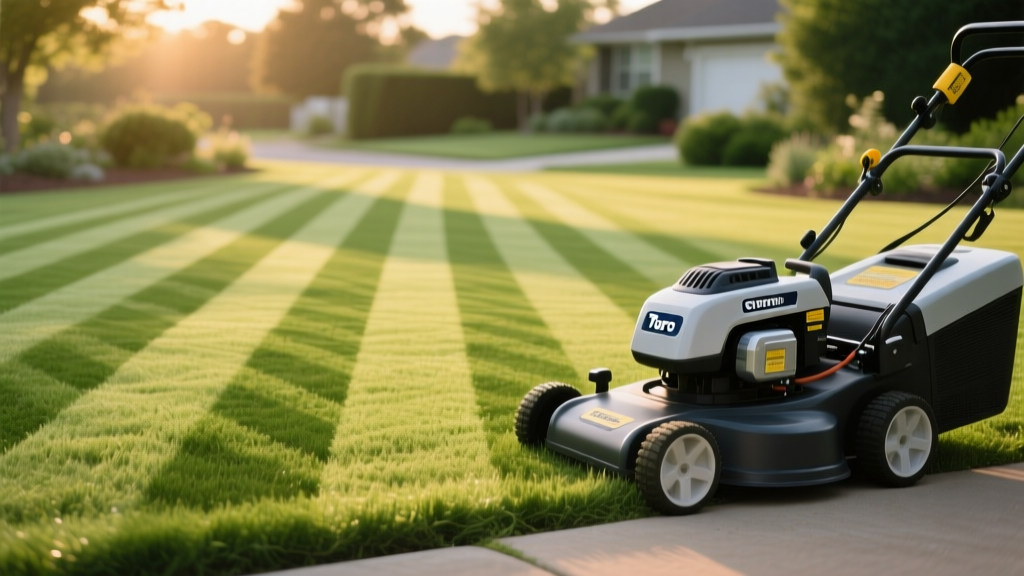
Toro Striping Kit Lawn Photography And Documentation 2026
James MillerPublished
The Intersection of Lawn Care and Garden Photography
As we navigate the 2026 landscaping season, the line between routine yard maintenance and visual art has never been thinner. For home gardeners, landscaping professionals, and content creators alike, the lawn is no longer just a groundcover; it is a dynamic, living canvas. At the forefront of this movement is the practice of lawn striping, and more specifically, capturing those pristine patterns through the lens of a camera. Using a Toro Striping Kit allows you to bend grass blades to create striking light and dark contrasts, but translating that three-dimensional visual pop into a two-dimensional photograph requires a distinct set of skills.
Garden photography and documentation have evolved significantly. With the rise of high-resolution drone cameras, advanced smartphone computational photography, and dedicated garden journaling apps, documenting your lawn’s progress throughout 2026 is both an artistic pursuit and a valuable record of your turf health. This comprehensive guide will walk you through the mowing techniques, camera settings, and documentation strategies needed to turn your Toro-striped lawn into a photographic masterpiece.
The Science of the Stripe: Why Grass Reflects Light
Before you can photograph a stripe, you must understand how it is formed. A lawn stripe is not created by cutting the grass at different heights. Instead, it is an optical illusion created by the reflection of light off the grass blades. When the Toro striping kit’s roller passes over the turf, it bends the grass.
- Light Stripes: Created when the grass is bent away from you. You are seeing the underside (abaxial surface) of the leaf, which is lighter and reflects more sunlight directly back to the camera lens.
- Dark Stripes: Created when the grass is bent toward you. You are seeing the top side (adaxial surface), which is darker, richer in chlorophyll, and absorbs more light, creating a deep green shadow effect.
Understanding this physics of light reflection is crucial for garden photographers. It dictates the time of day you should shoot, the angle of your camera, and the polarization filters you should employ to maximize the contrast between the adaxial and abaxial leaf surfaces.
Choosing the Right Toro Striping Kit for Your 2026 Mower
To achieve the sharpest lines for your photography, your equipment must be perfectly matched. Toro offers specialized striping kits designed to integrate seamlessly with their 2026 mower lineup. The weight of the roller and the flexibility of the matting directly impact how aggressively the grass is bent, which in turn affects the photographic contrast.
| Toro Mower Series (2026) | Compatible Striping Kit Type | Roller Weight & Fill | Best Grass Type for Photography |
|---|---|---|---|
| TimeCutter Zero-Turn | Heavy-Duty Commercial Roller | Sand-filled (High bend) | Warm-season (Bermuda, Zoysia) |
| Recycler 22-inch Walk-Behind | Standard Lawn Striping Kit | Water-filled (Medium bend) | Cool-season (Fescue, Kentucky Bluegrass) |
| Super Recycler 22-inch | Striping Kit with Flex-Mat | Lightweight (Gentle bend) | Mixed Turf & Fine Fescues |
Mowing Techniques for Photogenic Stripes
Not all patterns photograph equally well. When documenting your lawn, you want patterns that lead the viewer’s eye through the frame or create a satisfying sense of geometric symmetry.
The Checkerboard Pattern
The checkerboard is the holy grail of lawn photography. To achieve this, mow parallel stripes in one direction, then turn 90 degrees and mow perpendicular stripes. Pro-Tip for Photographers: This pattern is best captured from a high angle or directly overhead using a drone. Ground-level shots tend to compress the perspective, turning the squares into distorted trapezoids.
The Diagonal Diamond
Mowing at a 45-degree angle to the property lines creates a dynamic, energetic feel in photographs. This pattern is excellent for wide-angle landscape shots where you want to draw the viewer's eye from the foreground grass toward a background subject, such as a garden bed, a pergola, or the home's architecture.
Camera Settings and Lighting for Lawn Striping Photography
Capturing the deep greens and high contrast of a Toro-striped lawn requires specific camera adjustments. Auto-mode will often wash out the subtle differences between the bent grass blades.
The Lighting Dilemma: Golden Hour vs. Midday
Conventional garden photography praises the 'Golden Hour' (shortly after sunrise or before sunset). However, for lawn striping, low-angle sunlight can sometimes cast long, distracting shadows from nearby trees or fences. The absolute best time to photograph lawn stripes is actually mid-morning or late afternoon on a bright, clear day, when the sun is at a 45-degree angle. This angle maximizes the reflection off the abaxial leaf surfaces without creating harsh, blown-out highlights.
Essential Camera Settings
- Polarizing Filter: This is non-negotiable for lawn photography. A circular polarizer (CPL) cuts through the waxy glare on the top of the grass blades, deepening the dark stripes and making the green chlorophyll incredibly vibrant.
- Aperture (f/8 to f/11): You want a deep depth of field so the stripes remain sharp from the foreground to the horizon. Avoid wide apertures like f/2.8, which will blur the background stripes.
- ISO: Keep it as low as possible (ISO 100 or 200) to prevent digital noise from muddying the fine texture of the grass blades.
- White Balance: Set to 'Daylight' or 'Sunny'. Avoid 'Auto' white balance, as the camera may try to compensate for the massive amount of green in the frame, resulting in unnatural magenta or gray tones.
Drone Photography: The Ultimate Documentation Tool
In 2026, consumer drones equipped with high-resolution sensors and stabilized gimbals are more accessible than ever, making them the ultimate tool for documenting lawn striping. When flying a drone to photograph your Toro-striped lawn, adhere to these best practices:
- Shoot Straight Down (Nadir): Point the camera gimbal exactly 90 degrees downward. This flattens the perspective and turns your lawn into a striking, abstract geometric tapestry.
- Altitude Matters: Fly at an altitude of 50 to 100 feet. Too low, and you lose the context of the overall pattern; too high, and the individual grass blade reflections blur into a flat green mat.
- Shoot in RAW: Drone JPEGs often over-sharpen grass, creating ugly halos. Shooting in RAW allows you to adjust the luminance and saturation of the green channel in post-processing without degrading image quality.
Documenting Your Lawn’s Progress Throughout 2026
Photography is not just about single, beautiful images; it is about documentation and storytelling. Creating a visual diary of your lawn’s health and striping patterns over the 2026 season provides immense satisfaction and valuable data for your turf care routine.
The Fixed-Vantage Time-Lapse
Choose a specific corner of your property and set up a weatherproof trail camera or mount your smartphone on a permanent tripod bracket. Take a photo from this exact vantage point every Saturday morning after you mow and stripe with your Toro kit. By December, you will have a stunning 52-frame time-lapse showing the transition from spring green-up, through the deep stripes of summer, to the dormant hues of late autumn.
Monthly Macro Details
Don't just shoot wide. Use a macro lens or your phone's macro mode to document the physical bend of the grass blades immediately after the Toro roller passes. Documenting the physical health of the leaf tissue—checking for torn tips from dull mower blades or signs of fungal disease—marries the art of photography with the science of agronomy.
Turf Health: The Secret to Great Photos
You cannot photograph a beautiful stripe on a thin, weedy, or drought-stressed lawn. The Toro striping kit requires thick, healthy, and hydrated grass blades to bend properly and hold their shape. If the grass is brittle from drought, it will snap rather than bend, ruining both your lawn and your photograph.
According to experts at the University of Minnesota Turfgrass Science program, maintaining optimal soil moisture and proper mowing heights are critical for turf resilience. Never remove more than one-third of the grass blade in a single mowing session. Scalping the lawn destroys the leaf surface area needed for photosynthesis and eliminates the very canvas you are trying to photograph.
Furthermore, a robust fertilization schedule is required to maintain the deep, dark green color that makes the stripes pop on camera. The Penn State Extension Lawn Care guidelines emphasize the importance of soil testing before applying nitrogen. A soil test ensures your grass receives the exact micronutrients it needs to produce dense, vibrant growth that responds perfectly to the striping roller.
Conclusion
Documenting your lawn through photography elevates a weekend chore into a rewarding horticultural and artistic pursuit. By pairing the mechanical precision of a 2026 Toro Striping Kit with a solid understanding of light, camera settings, and turf health, you can create breathtaking visual records of your outdoor space. Whether you are capturing a sweeping drone shot of a checkerboard pattern or a macro detail of a perfectly bent blade of Kentucky Bluegrass, your garden journal will stand as a testament to your dedication to the craft of lawn care. Grab your camera, attach your striping kit, and start documenting your masterpiece today.