Lawn Care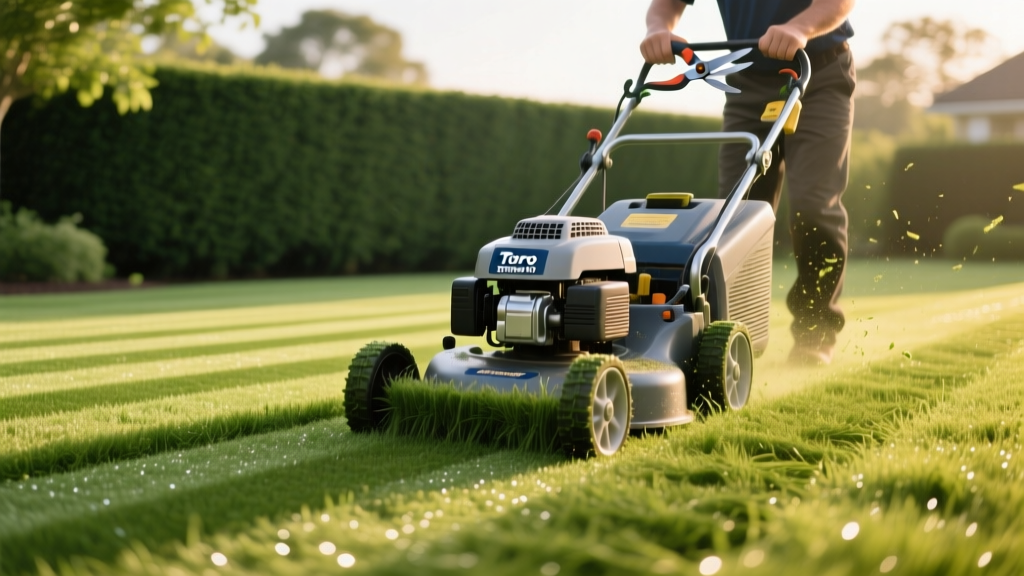
Toro Striping Kit Patterns & Pruning Timing Guide 2026
Emily WatsonPublished
Mastering Lawn Striping Patterns With a Toro Kit in 2026
As we navigate the 2026 lawn care season, the demand for stadium-quality turf aesthetics in residential landscapes has never been higher. Homeowners are no longer satisfied with a simple, uniform cut; they want the dramatic, high-contrast visual appeal of professional lawn striping. The Toro Striping Kit remains the gold standard for achieving these pristine lines, leveraging the weight and flexibility of its specialized rubber mat and roller assembly to bend grass blades without causing cellular damage. However, achieving the ultimate striping effect is not solely about the mowing equipment you use. It requires a holistic approach to landscape management, specifically focusing on pruning methods and timing for surrounding trees and shrubs. Sunlight penetration, shadow management, and turf density are all dictated by how and when you prune your landscape, directly impacting the visual contrast and health of your striped lawn.
The Mechanics of the Toro Striping Kit
Before diving into the intersection of mowing and pruning, it is essential to understand how the 2026 Toro Striping Kit models operate. Unlike rigid metal rollers that can scalp uneven terrain, the Toro OEM Striping Kit utilizes a heavy-duty, flexible rubber mat that attaches to the rear of your mower deck. As you mow, the mat gently presses the freshly cut grass blades down in the direction of travel. The physics of lawn striping relies on light refraction: grass blades bent away from you reflect less light and appear dark, while blades bent toward you catch the sun and appear light. For the Toro kit to create sharp, lasting lines, the turf must be dense, healthy, and exposed to adequate, even sunlight. This is where strategic landscape pruning becomes your secret weapon for perfect stripes.
Top Lawn Striping Patterns Using the Toro Kit
Using a Toro zero-turn or riding mower equipped with the striping kit, you can execute several professional-grade patterns. Here is how to approach the most popular designs this year:
1. The Classic Checkerboard
The checkerboard is the hallmark of professional groundskeeping. Begin by mowing a perimeter border around your lawn to give yourself a turning area. Next, mow parallel stripes in one direction (e.g., North to South). When finished, turn 90 degrees and mow parallel stripes in the perpendicular direction (East to West). The overlapping passes will bend the grass in alternating directions, creating the iconic dark and light squares. To maintain sharp corners, use the perimeter strip to execute smooth, wide turns rather than harsh pivot turns that can tear the turf.
2. Diagonal Diamonds
For a dynamic, visually expanding effect, the diagonal diamond pattern is ideal. Start by mowing your perimeter border. Then, pick a 45-degree angle relative to your property line and mow your first set of parallel stripes. Complete the pattern by mowing the second set of stripes at a 90-degree angle to your first set. This pattern is particularly striking when viewed from an elevated deck or a second-story window, drawing the eye across the landscape.
3. Concentric Circles
If your lawn features a central focal point, such as a mature oak tree or a garden island, concentric circles can highlight the feature. Mow a tight circle around the focal point, then mow progressively larger circles outward until you reach the perimeter. The Toro Striping Kit excels here, as the flexible mat follows the curve of the mower without leaving harsh tracking marks in the turf.
The Hidden Secret: Pruning Methods for Stripe Contrast
You can have the best Toro Striping Kit on the market, but if your lawn is plagued by heavy, uneven shade from overgrown landscape trees and shrubs, your stripes will look faded, patchy, and inconsistent. According to turfgrass experts at Penn State Extension, cool-season grasses like Kentucky Bluegrass and Tall Fescue require ample sunlight to maintain the cellular turgor pressure necessary to hold a bent stripe. Dense shade causes turf to thin out, resulting in weak blades that refuse to lay down uniformly.
Thinning Cuts vs. Heading Cuts
When managing the trees and shrubs bordering your striped lawn, the pruning method you choose is critical. Avoid 'heading cuts' (shearing the outer canopy), which stimulate dense, bushy growth at the tips of branches. This creates a thick umbrella of shade that blocks sunlight from reaching the lawn below. Instead, utilize 'thinning cuts.' A thinning cut involves removing a branch entirely at its point of origin or cutting it back to a lateral branch. As noted by the Arbor Day Foundation, thinning opens up the canopy, allowing dappled, consistent sunlight to reach the turfgrass. This uniform light exposure ensures your grass grows at an even density, allowing the Toro Striping Kit to create crisp, unbroken lines across the entire yard.
Pruning Timing: Scheduling for Optimal Turf Health
The timing of your pruning efforts is just as important as the method. Pruning at the wrong time of year can stress your trees, invite disease, and cast untimely shadows during your peak mowing months. The University of Minnesota Extension provides excellent guidelines on seasonal pruning timing that align perfectly with lawn care schedules.
Winter Dormant Pruning (Late Winter)
For structural pruning of deciduous trees and major shade-casting shrubs, late winter (just before the spring bud break) is the ideal time. The absence of leaves allows you to clearly see the branch architecture and make precise thinning cuts. By opening up the canopy in late winter, you ensure that when the spring flush of turfgrass growth begins, the lawn receives maximum sunlight, promoting deep root development and thick blades that are perfect for early-season striping.
Summer Canopy Management (Early to Mid-Summer)
During the peak striping months of June and July, trees can become overgrown, casting harsh, moving shadows that ruin the visual symmetry of a checkerboard pattern. Light summer pruning to remove water sprouts and suckers helps maintain the light penetration you established in the winter. Be careful not to over-prune in the summer, as this can stress the tree and expose the lower trunk to sunscald.
Shrub Border Maintenance
Shrubs that border your lawn should be pruned immediately after their spring flowering cycle. Keeping these borders low and tidy not only prevents them from shading the edges of your lawn but also provides a clean, straight visual boundary that makes your Toro striping lines look infinitely sharper.
2026 Turf Health & Pruning Schedule
To help you synchronize your Toro mowing routine with your landscape maintenance, refer to the 2026 seasonal schedule below:
| Season | Pruning Action | Striping & Mowing Focus |
|---|---|---|
| Early Spring | Finalize dormant thinning cuts; remove winter damage. | Lower mower deck slightly; begin straight-line striping to train grass grain. |
| Late Spring | Prune spring-flowering shrubs; remove tree suckers. | Execute complex patterns (checkerboard); raise mowing height to 3.5 inches. |
| Mid-Summer | Light canopy thinning to maintain dappled turf sunlight. | Mow during cooler evening hours; ensure Toro kit mat is clean of debris. |
| Early Fall | Remove dead or diseased branches; avoid heavy pruning. | Overseed thin areas; revert to basic parallel stripes to protect new seed. |
| Late Fall | Dormant pruning begins for deciduous trees. | Final mow of the season; lower deck slightly for winter dormancy. |
Conclusion
Achieving flawless lawn striping patterns with a Toro Striping Kit in 2026 requires more than just driving in straight lines. It demands an understanding of how your entire landscape interacts with the sun and the soil. By mastering the art of thinning cuts and adhering to a strict seasonal pruning timeline, you guarantee that your turf receives the uniform sunlight necessary to grow thick, resilient, and highly reflective. When you combine a meticulously pruned, sun-drenched landscape with the precision engineering of a Toro Striping Kit, your lawn will transform into a neighborhood masterpiece, boasting deep, dramatic contrast that lasts from the first spring mow to the final autumn cut.