Tree Care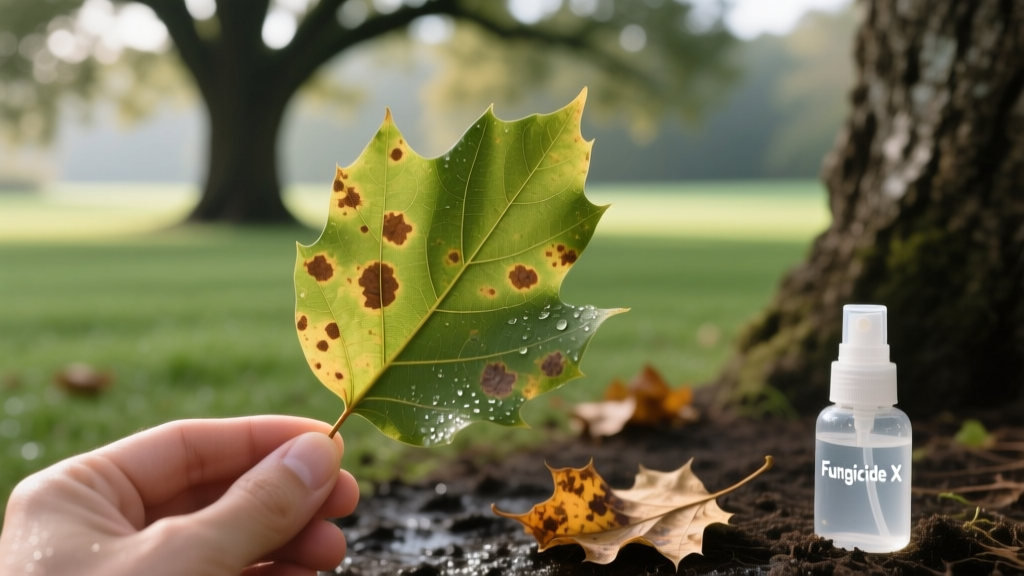
Tree Anthracnose: Identification, Fungicide Treatment, and Lawn Care
David ParkPublished
The Intersection of Tree Health and Lawn Care
When homeowners spot brown patches on their lawn, they immediately suspect fungal turf diseases like dollar spot, brown patch, or Pythium blight. However, the source of the pathogen might actually be looming above them. Shade tree diseases, particularly Anthracnose, not only devastate the canopies of sycamores, oaks, ash, and maples but also create a massive spore reservoir on the underlying turf. Treating tree diseases requires the same rigorous identification, scouting, and chemical application strategies used in professional lawn disease management. By adopting a turf-manager's mindset toward tree care, you can protect both your canopy and your grass.
Identifying Anthracnose in Shade Trees vs. Lawn Fungal Diseases
Anthracnose is a complex group of fungal diseases caused by various species of Apiognomonia and Gnomonia. While turfgrass anthracnose (Colletotrichum graminicola) attacks the crown and roots of your lawn, tree anthracnose targets the leaves, twigs, and buds of deciduous trees. Because the fallen, infected leaves land directly on your lawn, the two environments become inextricably linked. Understanding the distinction between these pathogens is the first step in comprehensive landscape disease management.
Key Symptoms in the Canopy
- Early Spring: Brown, irregular, necrotic lesions developing along leaf veins and margins.
- Mid-Spring: Severe, premature defoliation, particularly in the lower, shaded canopy where humidity is trapped.
- Twig Dieback: Dark, sunken cankers forming on small twigs, leading to a distorted 'witches' broom' appearance.
- Repeated Defoliation: Trees may push out a second flush of leaves in early summer, which drains vital carbohydrate reserves.
The Lawn Spore Reservoir Effect
Infected leaves drop prematurely in late spring and early summer. If left on the lawn, these leaves decompose and release millions of fungal spores into the landscape. While these specific tree pathogens will not infect the grass blades themselves, the decaying organic matter creates a thick thatch layer that harbors secondary lawn pathogens. Furthermore, the premature leaf drop deprives the lawn of dappled shade, suddenly exposing cool-season grasses like Kentucky Bluegrass and Fescue to harsh, unfiltered summer heat stress, triggering turf dormancy or drought damage.
Comparison Chart: Tree Anthracnose vs. Common Lawn Fungal Diseases
| Feature | Tree Anthracnose | Lawn Brown Patch | Lawn Dollar Spot |
|---|---|---|---|
| Pathogen | Apiognomonia spp. | Rhizoctonia solani | Clarireedia jacksonii |
| Primary Host | Sycamore, Oak, Maple, Ash | Tall Fescue, Ryegrass | Bentgrass, Bermudagrass |
| Visual Symptoms | Vein-following leaf lesions, twig cankers | Large brown circular patches, smoke rings | Silver-dollar-sized bleached spots |
| Optimal Infection Temp | 50°F - 65°F (Cool, wet springs) | 75°F - 85°F (Hot, humid nights) | 60°F - 85°F (High humidity) |
| Primary Treatment | Thiophanate-methyl, Propiconazole | Azoxystrobin, Flutolanil | Boscalid, Fluopyram |
Actionable Treatment Plan: Fungicides and Cultural Controls
To manage tree anthracnose with the precision of a lawn care professional, you must combine systemic fungicides with aggressive cultural sanitation. Just as you wouldn't treat a lawn for fungus without addressing irrigation and mowing height, you cannot treat a tree without addressing canopy airflow and leaf litter.
Step 1: Canopy Spraying and Trunk Injections
Timing is everything. Just as you apply preventative fungicides to turf before the summer humidity spikes, tree treatments must begin exactly at bud break in early spring.
- Foliar Sprays: Use a systemic fungicide containing Thiophanate-methyl (e.g., Cleary's 3336 or Bonide Infuse). Mix at a rate of 1.5 to 2 fluid ounces per gallon of water. Apply using a high-pressure hose-end sprayer to ensure complete canopy coverage, focusing heavily on the lower branches where moisture lingers. Cost for DIY materials is roughly $40-$60 per treatment.
- Trunk Injections: For large shade trees over 40 feet tall, foliar spraying is impractical and prone to drift. Hire a certified arborist to perform Propiconazole or Emamectin benzoate trunk injections. This delivers the active ingredient directly into the xylem. Cost typically ranges from $15 to $25 per inch of trunk diameter (DBH).
- Basal Bark Sprays: Applying Phosphorous acid (e.g., Agri-Fos) as a basal bark spray can boost the tree's natural systemic acquired resistance (SAR), helping it fight off secondary infections.
Step 2: Lawn Cleanup and Spore Eradication
Your lawn maintenance routine must adapt to the tree's shedding cycle to prevent the buildup of disease-conducive thatch.
- Raking and Removal: Do not mulch infected leaves with your mower. Mulching chops the leaves and distributes fungal fruiting bodies evenly across the turf, accelerating thatch buildup. Instead, rake and bag all dropped leaves immediately.
- Thatch Management: Core aerate the lawn in the fall to break down any residual thatch built up from spring leaf drop. This restores soil oxygen levels and improves water infiltration.
- Fungicide Clean-up: If the thatch layer has become severely compromised, apply a broad-spectrum lawn fungicide containing Azoxystrobin (e.g., Scotts DiseaseEx) to prevent secondary turf infections that thrive in decaying organic matter.
Step 3: Irrigation and Pruning Adjustments
Overhead irrigation is the enemy of both tree anthracnose and lawn fungal diseases. Water droplets splash spores from the soil and lower trunk up into the canopy, while simultaneously keeping the grass blades wet for extended periods, inviting Pythium blight. Switch to drip irrigation lines placed just inside the tree's drip edge. This delivers water directly to the tree's feeder roots while keeping both the turf surface and the lower tree canopy completely dry.
Preventative Lawn and Tree Care Schedules
- Late Winter (Dormancy): Prune out dead or cankered twigs to remove overwintering fungal fruiting bodies. Sterilize pruning shears with a 10% bleach solution between every cut to prevent mechanical transmission.
- Early Spring (Bud Break): Apply the first foliar fungicide spray to trees. Monitor local weather for prolonged rainy periods.
- Mid-Spring (Leaf Expansion): Apply a second foliar spray 14 to 21 days later. Monitor the lawn for premature leaf drop and begin raking immediately.
- Early Summer: Rake and bag all fallen leaves. Apply lawn core aeration if thatch exceeds 0.5 inches. Transition to deep, infrequent lawn watering.
- Fall: Deep root fertilize trees with a low-nitrogen, high-potassium fertilizer (e.g., 8-2-12 NPK) to promote root growth and winter hardiness without pushing vulnerable late-season canopy growth.
Expert Insights and Authoritative Sources
Managing the microclimate of your landscape requires understanding the deep relationship between the canopy and the turf. According to the University of Wisconsin-Madison Extension, anthracnose fungi survive the winter in infected twigs and dead leaves, making dormant pruning and fall sanitation absolutely critical for breaking the disease cycle before spring rains begin. Furthermore, the University of Minnesota Extension emphasizes that while anthracnose rarely kills established trees outright, repeated annual defoliation severely weakens the tree's vascular system. This makes the tree highly susceptible to secondary wood-boring insects and environmental stressors—which in turn alters the shade profile and soil moisture dynamics of the lawn below.
Treating a landscape is not about managing plants in isolation; it is about managing the ecosystem. A diseased tree canopy will always dictate the health, maintenance requirements, and fungal pressure of the turfgrass below.
By integrating tree canopy scouting with your regular lawn disease identification routines, you can deploy targeted treatments that protect your entire property from the top down. Whether you are mixing a tank of Thiophanate-methyl for the sycamore or spreading Azoxystrobin on the fescue, the principles of timing, sanitation, and moisture management remain exactly the same.