Tree Care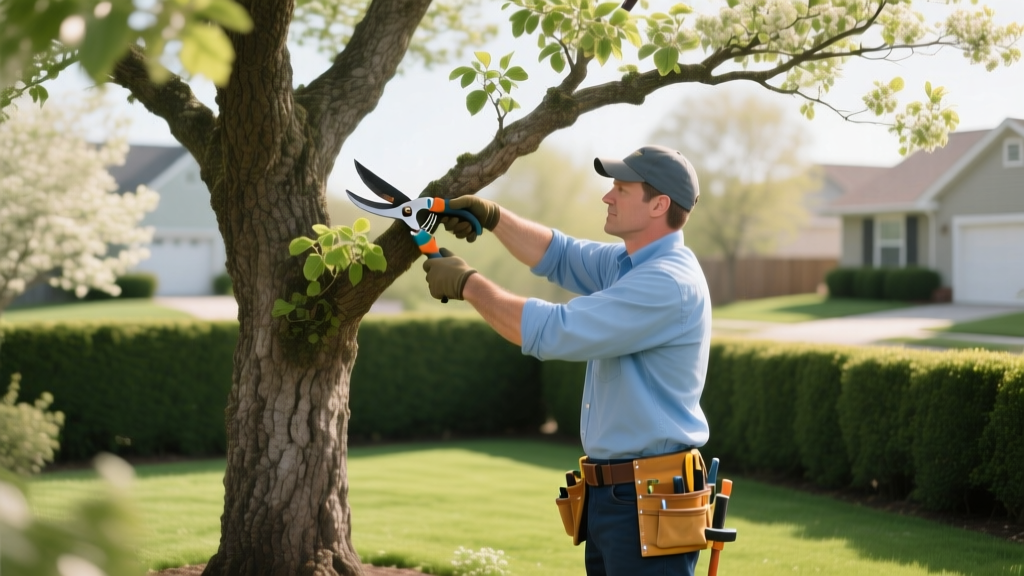
2024 Tree Care Cost Guide: Pruning, Removal, and Planting Prices
James MillerPublished
The Ultimate Tree Care Pricing Guide for Homeowners
Maintaining the trees on your property is not just an aesthetic choice; it is a vital investment in your home's safety, energy efficiency, and overall property value. However, when it comes to budgeting for arborist services, many homeowners find themselves in the dark. Tree care costs can vary wildly based on species, size, location, and the specific services required. Whether you are looking to plant a new shade tree, prune overhanging branches, or safely remove a hazardous trunk, understanding the financial landscape is crucial. This comprehensive pricing guide breaks down the average costs of professional tree care services in 2024, helping you plan your landscaping budget with confidence and avoid unexpected invoice shocks.
The True Cost of Tree Pruning and Trimming
Routine pruning is essential for maintaining structural integrity, promoting healthy growth, and preventing disease. The cost of tree trimming is primarily dictated by the tree's height, canopy spread, and accessibility. Professionals use specialized equipment, from pole saws to bucket trucks, which factors into the final price. According to the International Society of Arboriculture, routine tree care is significantly less expensive than the cost of removing and replacing a neglected, hazardous tree. Here is what you can expect to pay based on tree size:
- Small Trees (Under 30 feet): Typically costing between $150 and $450, these include ornamental trees, dogwoods, and young maples. They can often be pruned from the ground or with standard ladders.
- Medium Trees (30 to 60 feet): Expect to pay between $450 and $900. These trees, such as mature birches or smaller oaks, usually require climbing gear or a standard bucket truck to reach the upper canopy safely.
- Large Trees (60 to 100+ feet): Priced between $900 and $1,800 or more. Massive species like white pines, sycamores, and mature redwoods require advanced rigging techniques, heavy-duty chippers, and highly trained arborists to dismantle the canopy safely without damaging your property.
Pro Tip: Never hire an unlicensed 'tree lopper' who offers to top your trees for a cheap price. Topping destroys a tree's vascular system and leads to rapid, weak decay that will eventually cost you thousands in emergency removal.
Tree Removal: What to Expect on Your Invoice
Tree removal is one of the most expensive and dangerous jobs in the landscaping industry. It involves complex physics, heavy machinery, and significant liability. The base cost of removal depends heavily on the trunk diameter and the tree's lean. If a tree is dead, leaning toward your home, or tangled in power lines, the price will increase to account for the added risk and specialized rigging required.
- Small Tree Removal: $300 to $700. Ideal for dead ornamentals or small fruit trees that can be felled in a single piece.
- Medium Tree Removal: $700 to $1,500. Requires sectional dismantling if space is limited.
- Large Tree Removal: $1,500 to $3,500+. Requires a crew of at least three to four professionals, heavy rigging ropes, and potentially a crane if the tree is near a structure.
It is important to note that standard tree removal rarely includes stump removal. Stump grinding is typically billed as an add-on service, ranging from $150 to $500 depending on the stump's diameter and root flare. If you want the entire root ball excavated for a new construction project, expect to pay upwards of $1,000 for heavy machinery excavation.
Tree Planting and Transplanting Investments
Planting a tree is a long-term investment. While you can buy a small sapling at a local nursery for $50 and plant it yourself, hiring a professional to plant a mature, caliper-sized tree ensures proper depth, soil amendment, and initial watering protocols. When selecting species and locations, the Arbor Day Foundation recommends the 'right tree, right place' principle to avoid future conflicts with power lines or foundations, which saves thousands in future removal costs.
- Sapling Planting (1 to 2-inch caliper): $150 to $350 per tree, including labor and basic soil prep.
- Mature Tree Planting (3 to 5-inch caliper): $500 to $1,500. These trees require a mini-excavator or skid steer to move the heavy root ball.
- Specimen Tree Transplanting: $2,000 to $5,000+. Moving an existing mature tree from one part of your yard to another requires a massive tree spade truck and extensive post-transplant care.
Tree Health Assessments and Disease Management
Urban forestry studies highlighted by the USDA Forest Service show that well-maintained trees significantly reduce urban heat islands and manage stormwater runoff. To keep your trees healthy, you may need to hire a certified arborist for health assessments and pest management.
- Arborist Consultation Fee: $75 to $250 for a comprehensive yard walkthrough and health report.
- Soil Testing and Deep Root Fertilization: $150 to $300. This aerates compacted soil and injects vital nutrients directly into the root zone.
- Systemic Insecticide Treatment: $15 to $30 per inch of trunk diameter. Essential for combating invasive pests like the Emerald Ash Borer or Asian Longhorned Beetle.
- Fungal Disease Management: $200 to $600 for canopy spraying or trunk injections to treat issues like Oak Wilt or Anthracnose.
2024 Tree Care Cost Comparison Chart
| Tree Service | Average National Cost Range | Primary Cost Factors |
|---|---|---|
| Routine Pruning (Medium Tree) | $450 - $900 | Canopy density, equipment access |
| Tree Removal (Large Tree) | $1,500 - $3,500+ | Trunk diameter, lean, proximity to home |
| Stump Grinding | $150 - $500 | Stump diameter, surface roots |
| Mature Tree Planting | $500 - $1,500 | Tree caliper, heavy machinery needs |
| Pest/Disease Injection | $150 - $450 | Trunk circumference, chemical used |
| Emergency Storm Cleanup | $250 - $500+ / hour | Urgency, hazard level, crew size |
Key Factors That Spike Your Tree Service Bill
When gathering quotes from local tree care companies, you might notice wide discrepancies in pricing. Several hidden factors can drastically alter your final bill:
- Proximity to Hazards: If your tree is draped over a roof, fence, or primary power line, the arborist must use meticulous, slow rigging techniques to lower small pieces of wood safely. This increases labor time and insurance premiums.
- Access and Equipment Limitations: If a bucket truck or woodchipper cannot fit through your gate or driveway, the crew must manually carry debris hundreds of feet. Manual hauling is billed at a premium hourly labor rate.
- Debris Hauling vs. Chipping: Most quotes include chipping the brush and leaving the woodchips on your property for mulch. If you request complete debris removal or want the trunk cut into specific firewood lengths and stacked, expect an additional fee.
- Emergency and Storm Damage: Trees that have fallen on structures during a storm are considered emergency hazard removals. Companies often charge an emergency mobilization fee or a higher hourly rate due to the extreme danger and immediate response required.
DIY vs. Professional Tree Care: The Hidden Costs
Many homeowners attempt to save money by renting a chainsaw and tackling tree removal themselves. While pruning small, young branches is a safe DIY weekend project, removing mature trees or working near power lines is extraordinarily dangerous. The hidden costs of DIY tree care include emergency room visits, property damage to your home or your neighbor's roof, and the cost of renting heavy-duty woodchippers and safety rigging. Furthermore, if an uninsured individual is injured on your property while doing tree work, you could be held personally liable for their medical bills. Hiring an ISA Certified Arborist with comprehensive liability insurance and workers' compensation protects you from these catastrophic financial risks.
Proven Strategies to Save Money on Arborist Services
You do not always have to pay top dollar for premium tree care. By planning ahead and being strategic, you can significantly reduce your landscaping expenses:
- Schedule During the Off-Season: Tree care companies are slammed during the spring and summer months. Scheduling non-emergency pruning or removals in late fall or winter can often net you a 10% to 20% discount, as crews are looking to fill their schedules during slower months.
- Bundle Your Services: If you need multiple trees pruned or removed, ask for a bundled 'yard package' rate. Mobilizing a crew and heavy equipment to your property costs the company a fixed amount; doing multiple jobs in one visit saves them time, and those savings are passed on to you.
- Leave the Woodchips: Instead of paying for debris hauling, have the crew chip the brush and dump it in a discreet corner of your yard. Woodchips make excellent, free mulch for your garden beds, suppressing weeds and retaining soil moisture.
- Check Municipal Programs: Many city forestry departments offer free or heavily subsidized pruning for trees located in the public right-of-way (the strip of grass between the sidewalk and the street). Check with your local government before paying out of pocket for street-side tree maintenance.
By understanding these pricing structures and planning your tree care proactively, you can maintain a lush, safe, and beautiful landscape without breaking your home maintenance budget.