Gardening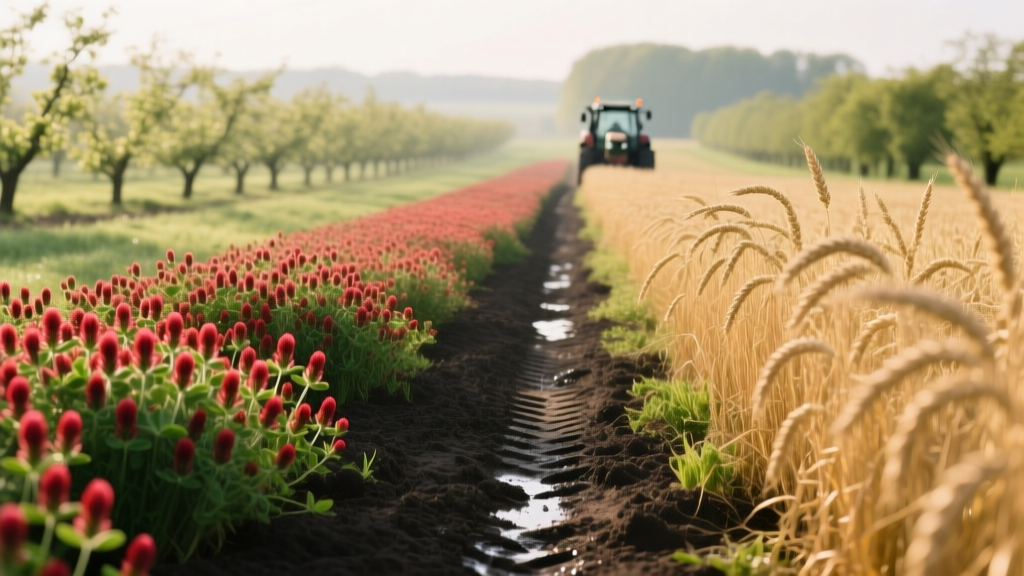
2026 Tree Planting Guide: Crimson Clover vs Winter Rye
Robert HayesPublished
The Strategic Role of Cover Crops in Tree Planting
Professional arborists, orchardists, and regenerative landscapers in 2026 share a common secret: the most critical step in tree planting happens a full year before the tree ever goes into the ground. Whether you are establishing a commercial apple orchard, planting a legacy shade tree in your landscape, or setting out nut-bearing saplings, site preparation dictates long-term survival and vigor. While traditional tillage and chemical fertilizers were once the norm, modern tree selection and planting guides heavily emphasize the use of cover crops to engineer the perfect soil environment.
When preparing a planting site for trees, two cover crops consistently rise to the top of the recommendation list: Crimson Clover (Trifolium incarnatum) and Winter Rye (Secale cereale, often called cereal rye). Both offer profound benefits for soil health, but they serve entirely different biological functions. Choosing between them requires a deep understanding of your target tree species, your native soil structure, and your long-term orchard or landscape management goals. According to the USDA Natural Resources Conservation Service (NRCS), integrating cover crops into perennial planting systems significantly increases soil organic matter, improves water infiltration, and establishes vital mycorrhizal fungal networks that young tree roots desperately need.
In this comprehensive 2026 guide, we break down the agronomic profiles of crimson clover and winter rye, helping you match the right cover crop to your specific tree selection and planting strategy.
Crimson Clover: The Nitrogen-Fixing Powerhouse
Crimson clover is a cool-season annual legume celebrated for its rapid spring growth, striking red blooms, and exceptional ability to fix atmospheric nitrogen. When preparing a site for heavy-feeding fruit trees, crimson clover acts as a slow-release, organic fertilizer bank.
Benefits for Tree Planting Sites
- Biological Nitrogen Fixation: Through a symbiotic relationship with Rhizobium bacteria, crimson clover can fix between 100 and 150 pounds of nitrogen per acre. When terminated before tree planting, this nitrogen becomes available to young, demanding fruit trees like apples, peaches, and cherries.
- Pollinator Attraction: If allowed to bloom in early spring before termination, crimson clover draws native pollinators to your site, establishing a beneficial insect habitat just as your new fruit trees begin to flower.
- Easily Terminated: Unlike many grasses, crimson clover has a relatively shallow root system and a hollow stem, making it incredibly easy to terminate using a roller-crimper or a simple mow-and-mulch technique without the risk of aggressive regrowth competing with young tree roots.
2026 Seeding and Management
For optimal tree site prep, crimson clover should be drilled or broadcast in late summer to early fall (August through October, depending on your hardiness zone). The recommended seeding rate is 15 to 20 pounds per acre. In 2026, high-quality, pre-inoculated crimson clover seed averages between $5.00 and $6.50 per pound. It is crucial to ensure the seed is inoculated with the correct Rhizobium strain (Type R) to guarantee nitrogen fixation, especially if legumes have not been grown on the site previously.
Winter Rye: The Biomass Builder and De-Compactor
Winter rye (cereal rye) is a cold-hardy annual grass that excels in biomass production and soil structure modification. It is the undisputed champion of breaking up compacted soils and suppressing aggressive weeds, making it an invaluable tool for preparing neglected or heavy-clay sites for deep-rooted trees.
Benefits for Tree Planting Sites
- Deep Soil Penetration: Winter rye develops an extensive, fibrous root system that can penetrate deep into the soil profile. As noted in the definitive guide Managing Cover Crops Profitably by SARE, these roots act as a biological plow, breaking up hardpans and creating deep channels that improve drainage and allow young tree taproots to establish without restriction.
- Massive Biomass and Mulch: Winter rye produces immense amounts of above-ground carbon. When terminated, this biomass forms a thick, weed-suppressing mulch mat around the base of newly planted trees, retaining soil moisture and regulating temperature during the critical first summer.
- Allelopathic Weed Suppression: Rye releases natural biochemicals that inhibit the germination of small-seeded weeds. This provides a chemical-free window of weed control, reducing the need for herbicides or manual weeding around vulnerable tree saplings.
2026 Seeding and Management
Winter rye is incredibly forgiving and can be planted later in the fall than almost any other cover crop, often well into November. The standard seeding rate is 90 to 120 pounds per acre. Seed costs remain highly economical in 2026, typically ranging from $0.90 to $1.30 per pound. However, because rye is a grass, it requires more aggressive termination methods, and its high carbon-to-nitrogen ratio can temporarily tie up soil nitrogen if tilled directly into the planting hole.
Head-to-Head Comparison: Crimson Clover vs. Winter Rye
To help you decide which cover crop aligns with your tree planting goals, review the comparative data below:
| Feature | Crimson Clover | Winter (Cereal) Rye |
|---|---|---|
| Primary Soil Benefit | Nitrogen fixation & microbial stimulation | Compaction relief & weed suppression |
| Biomass Production | Moderate (1.5 - 3 tons/acre) | High (3 - 5+ tons/acre) |
| 2026 Seed Cost | $5.00 - $6.50 / lb | $0.90 - $1.30 / lb |
| Seeding Rate | 15 - 20 lbs / acre | 90 - 120 lbs / acre |
| Termination Ease | Very Easy (mowing, light crimping) | Moderate (requires heavy crimping or herbicide) |
| Best Tree Pairing | Heavy-feeding fruit trees (Apples, Pears) | Deep-rooted shade & nut trees (Oaks, Pecans) |
Matching Cover Crops to Your Tree Selection
The decision between crimson clover and winter rye should be directly influenced by the specific tree species you intend to plant. Different trees have vastly different nutritional and structural requirements during their establishment phase.
Scenario A: Planting a Commercial or Backyard Fruit Orchard
If your 2026 planting list includes Malus domestica (apples), Prunus persica (peaches), or European pears, crimson clover is your best choice. Fruit trees are notoriously heavy feeders, particularly requiring ample nitrogen to support vigorous vegetative growth and subsequent fruit set. By terminating a crimson clover stand just weeks before planting your bare-root fruit trees, you provide a localized, slow-release nitrogen source that encourages rapid canopy development without the risk of burning delicate new roots with synthetic fertilizers. Furthermore, the Midwest Cover Crops Council highlights that legumes like clover foster the specific mycorrhizal fungi that fruit tree roots rely on for phosphorus uptake.
Scenario B: Establishing Legacy Shade Trees and Nut Groves
If you are planting deep-rooted, long-lived species such as White Oak (Quercus alba), Hickory, or Pecan trees, especially in areas with heavy clay or historical compaction, winter rye is the superior option. These trees develop massive taproots that will stall or girdle if they hit a compacted hardpan layer. Winter rye’s aggressive root system fractures this hardpan over the winter months. When you dig your planting holes the following spring, you will find the soil is friable, well-aerated, and primed for deep root penetration. The thick mat of rye residue left on the surface will also protect the wide root zones of nut trees from summer moisture loss.
2026 Best Practices for Termination Before Tree Planting
A cover crop is only beneficial if it is terminated correctly before your trees are planted. If left alive, both clover and rye will become fierce competitors for water and nutrients, stunting your newly planted trees.
Timing is Everything: Plan to terminate your cover crop 3 to 4 weeks before your scheduled tree planting date. This allows the root mass to begin decomposing, releasing nutrients and preventing allelopathic interference (in the case of rye) with your tree's initial root flush.
The Roller-Crimper Method: In 2026, the use of tractor-mounted or walk-behind roller-crimpers has become the gold standard for regenerative tree planters. By crushing the stems of the cover crop at the exact moment of flowering (for clover) or pollen shed (for rye), you create a uniform, dead mulch mat. You can then plant your trees directly through this mat using a no-till auger or by parting the mulch to dig individual holes. This preserves the soil structure you worked so hard to build and eliminates the need for disruptive broad-scale tilling.
The Mow-and-Mulch Alternative: For smaller landscape plantings where heavy equipment isn't viable, mowing the cover crop down to the soil surface and allowing it to dry for two weeks before planting is highly effective. Avoid tilling the mowed residue deep into the soil, as this disrupts the soil food web and brings dormant weed seeds to the surface, which will only compete with your new trees.
Final Thoughts for the 2026 Planting Season
Selecting the right tree is only half the battle; engineering the soil to receive that tree is what separates amateur planters from master horticulturists. By leveraging the nitrogen-fixing biology of crimson clover for your fruit orchards, or the deep-tilling biomass of winter rye for your shade and nut trees, you set the stage for decades of healthy, vigorous growth. Evaluate your soil's current condition, review your tree selection list, and deploy the cover crop that will build the perfect subterranean foundation for your 2026 planting projects.
