
Landscaping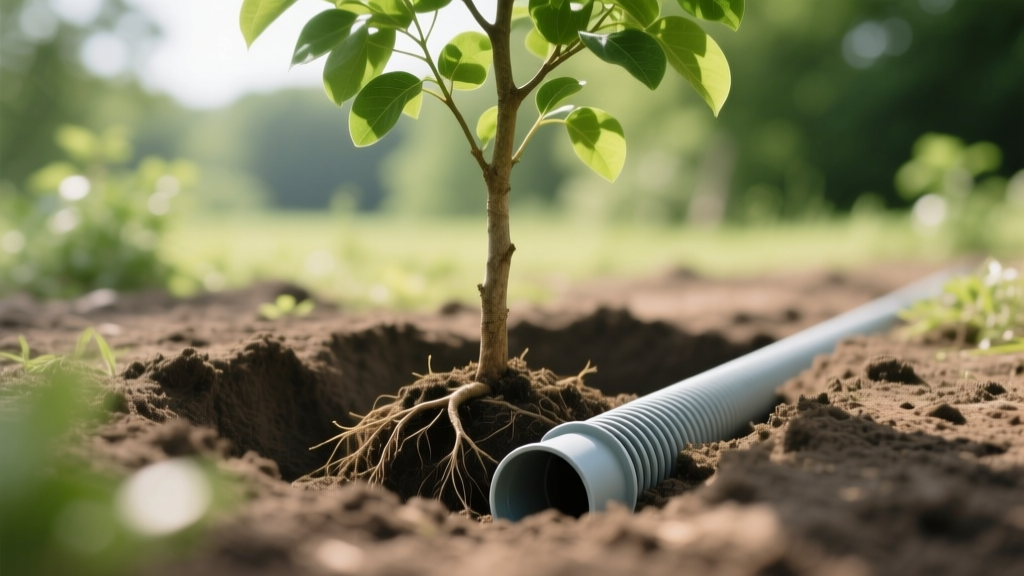
2026 Tree Planting & NDS Pro Series French Drain Guide
Lisa ThompsonPublished
The Intersection of Tree Planting and Landscape Drainage in 2026
As we navigate the 2026 landscaping season, extreme weather volatility and heavier spring downpours have made proper site hydrology more critical than ever for arborists and homeowners alike. Selecting a beautiful, regionally appropriate tree is only half the battle; ensuring the root zone is protected from standing water is the other. When planting trees near hardscapes, driveways, or low-lying garden beds, surface runoff and subsurface water pooling can quickly lead to Phytophthora root rot, oxygen deprivation, and eventual tree death. This comprehensive guide explores how to combine strategic tree selection with a hybrid drainage system—specifically utilizing the NDS Pro Series channel drain integrated with a traditional French drain—to create a thriving, water-managed environment for your newly planted trees.
Selecting Trees for Poorly Drained or Runoff-Heavy Sites
Before breaking ground, it is vital to match the tree species to your site's natural drainage profile. According to the University of Minnesota Extension, planting trees at the correct depth in well-draining soil is the primary defense against transplant shock and root disease. However, if your site naturally collects water or receives heavy runoff from adjacent concrete, you have two choices: select a water-tolerant species or engineer the soil to drain properly.
Water-Tolerant Tree Species
If engineering a drain system is outside your budget, consider species that thrive in 'wet feet.' Excellent choices for 2026 include the Bald Cypress (Taxodium distichum), River Birch (Betula nigra), and Swamp White Oak (Quercus bicolor). These trees have adapted to low-oxygen soil environments and can handle seasonal flooding.
Water-Sensitive Tree Species
Conversely, highly sought-after ornamental trees like Japanese Maples (Acer palmatum), Eastern Redbuds (Cercis canadensis), and Flowering Dogwoods (Cornus florida) are notoriously sensitive to waterlogged soil. For these species, installing a robust drainage system like the NDS Pro Series combined with a French drain is not optional—it is mandatory for survival.
Why Combine NDS Pro Series Channel Drains with French Drains?
To fully protect a tree basin, you must manage both surface water and subsurface groundwater. This is where a hybrid approach excels.
- NDS Pro Series Channel Drains: These heavy-duty, traffic-rated surface drains intercept high-volume runoff from driveways, patios, and sloped lawns before it can cascade into your tree's planting bed. The 2026 models feature UV-stabilized polyethylene and modular grates that easily adapt to landscape contours.
- French Drains (Subsurface): A traditional French drain consists of a perforated pipe surrounded by washed gravel and wrapped in landscape fabric. It acts as a subsurface reservoir, pulling excess moisture away from the tree's critical root zone and daylighting it safely away from the property.
By routing the NDS Pro Series channel drain's output directly into the French drain trench, you create a unified plumbing system that keeps the tree's root flare dry while maintaining optimal soil moisture levels deeper in the root ball.
Critical Root Zone (CRZ) Rules for Trenching
The most common mistake landscapers make when installing drainage near trees is severing vital structural roots. The Arbor Day Foundation emphasizes the importance of preserving the Critical Root Zone (CRZ) during any soil disturbance. The CRZ is generally calculated as one foot of radius for every one inch of trunk caliper. If you are planting a new tree with a 2-inch caliper, you must keep heavy trenching at least 2 feet away from the trunk. For mature trees nearby, use an air spade or hand-dig to avoid slicing through primary anchor roots. Always route your French drain around the CRZ, never directly through it.
Step-by-Step Installation: Protecting the Tree Basin
Follow these steps to install your hybrid drainage system while preparing the site for a new tree planting.
Step 1: Site Assessment and Grading
Perform a percolation test by digging a 12-inch deep hole in the proposed planting area and filling it with water. If it takes longer than 24 hours to drain, you must install the French drain system before planting. Grade the surrounding soil so that the natural slope directs water toward your planned NDS Pro Series channel drain.
Step 2: Trenching the French Drain
Dig a trench 12 inches wide and 18 inches deep, starting from the lowest point of the tree basin and routing it to a safe daylight exit or dry well. Maintain a consistent slope of 1/8 inch per foot. Line the trench with non-woven geotextile landscape fabric to prevent soil intrusion, then add a 3-inch base of 3/4-inch washed gravel.
Step 3: Laying the Perforated Pipe
Place a 4-inch corrugated perforated pipe in the trench, ensuring the holes face downward. This allows water rising from the water table to enter the pipe efficiently. Cover the pipe with more washed gravel until you are 3 inches below the soil surface, then fold the landscape fabric over the top to create a 'gravel burrito.'
Step 4: Installing the NDS Pro Series Channel
Along the edge of the hardscape or runoff source, trench for the NDS Pro Series channel drain. Assemble the channel sections, ensuring a tight, watertight fit. Use an NDS Pro Series outlet adapter to connect the bottom or end of the channel drain directly to solid PVC pipe, which should then tie into the top of your French drain gravel bed or a separate solid-pipe runoff line. This prevents surface debris from clogging the subsurface French drain.
Step 5: Tree Planting and Backfilling
With the drainage infrastructure secured, dig your tree planting hole. The hole should be twice as wide as the root ball but no deeper, ensuring the root flare sits 2 inches above grade to promote surface runoff. Backfill with native soil mixed with organic compost, and apply a 2-inch layer of mulch, keeping it strictly away from the tree trunk to prevent rot.
2026 Tree Species & Drainage Requirements Chart
Use the following chart to determine your drainage strategy based on the tree species you plan to install this season.
| Tree Species | Moisture Tolerance | CRZ Trenching Buffer | Drainage System Required? |
|---|---|---|---|
| Japanese Maple | Low (Needs well-drained) | 1.5 ft per inch caliper | Yes (French + Channel) |
| Flowering Dogwood | Low to Moderate | 1.2 ft per inch caliper | Yes (French Drain) |
| Red Maple | Moderate to High | 1.0 ft per inch caliper | Optional (Channel only) |
| River Birch | Very High (Wet soils) | 1.0 ft per inch caliper | No (Tolerates pooling) |
| Bald Cypress | Extreme (Swampy) | 1.5 ft per inch caliper | No (Thrives in water) |
2026 Material Cost Breakdown
Budgeting for a hybrid drainage and planting project requires accounting for current material costs. Below is an estimated breakdown for a standard 40-foot run of drainage to protect a medium-sized ornamental tree basin in 2026:
- NDS Pro Series 5-Inch Channel Drain (10 ft kit with grate): $180 - $220
- 4-Inch Corrugated Perforated Pipe (100 ft roll): $65 - $85
- Non-Woven Geotextile Landscape Fabric (3x50 ft roll): $75 - $95
- Washed Drainage Gravel (1 ton, delivered): $120 - $160
- PVC Fittings, Adapters, and Drainage Glue: $45 - $60
- Total Estimated Material Cost: $485 - $620
While this represents a significant investment, the cost of replacing a mature, water-logged Japanese Maple or Redbud every two years far exceeds the one-time cost of proper hydrological engineering.
Final Thoughts on Tree Health and Hydrology
The health of your landscape's canopy begins beneath the soil. As 2026 brings new challenges in weather patterns and water management, relying solely on soil amendments is no longer sufficient for sensitive tree species. By thoughtfully selecting your trees and integrating the heavy-duty surface interception of the NDS Pro Series channel drain with the subsurface relief of a French drain, you guarantee that your new plantings will establish deep, healthy roots. Always respect the Critical Root Zone, test your soil percolation before planting, and ensure your water has a clear path to daylight. Your trees will reward you with decades of vibrant growth, stunning seasonal color, and enduring landscape value.

