Gardening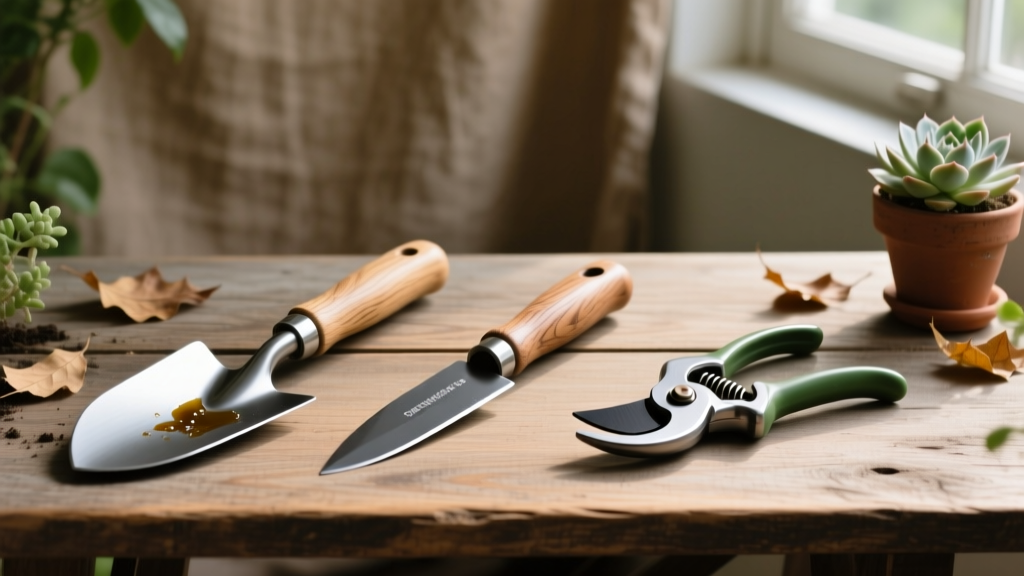
2026 Tree Planting Tool Care: Sharpen & Oil Spades
Mike RodriguezPublished
The Hidden Key to Tree Transplant Success in 2026
When we discuss tree selection and planting guides, the conversation almost always revolves around soil pH, hardiness zones, sun exposure, and root ball depth. However, as we move through the 2026 planting season, certified arborists and horticulturists are placing a renewed emphasis on an often-overlooked factor: the physical condition of your hand tools. Whether you are planting a delicate Japanese maple, a robust oak sapling, or establishing a backyard fruit orchard, the sharpness and cleanliness of your spades, hori hori knives, and pruning shears directly dictate the survival rate of your trees. In this comprehensive guide, we will explore exactly how to sharpen, oil, and maintain the specific hand tools required for successful tree planting, ensuring your new additions thrive for decades to come.
Why Sharp Tools Matter for Root Architecture
It is a common misconception that roots will simply 'find their way' regardless of how they are cut during the planting process. In reality, the vascular system of a tree is highly sensitive to physical trauma. When you use dull bypass loppers or a blunt spade to slice through circling roots or taproots, you do not just cut the root; you crush the delicate xylem and phloem tissues. This crushing action creates a ragged wound that takes significantly longer to callus over, leaving the tree vulnerable to soil-borne pathogens and root rot. According to the Arbor Day Foundation, making clean, precise cuts when pruning roots during transplanting is essential for encouraging rapid new root growth and minimizing transplant shock. A razor-sharp tool seals the vascular tissue cleanly, allowing the tree to immediately begin generating fine feeder roots into the surrounding native soil.
Essential Hand Tools for the Tree Planter
Before we dive into the sharpening stones and oiling rags, let us identify the core hand tools that require maintenance for tree planting:
- The Planting Spade: Used for cutting through sod, slicing compacted clay, and shaping the final planting hole. Unlike a standard digging shovel, a spade has a flat, sharp edge designed for precision cutting.
- The Hori Hori Knife: A Japanese soil knife that is indispensable for scoring the root ball of container-grown trees, mixing mycorrhizal inoculants into the backfill, and cutting through stubborn small roots.
- Bypass Pruners and Loppers: Essential for root pruning. You must use bypass blades (which slice like scissors) rather than anvil blades (which crush), to ensure clean cuts on the root system.
Step-by-Step: Sharpening Your Planting Spade
A dull spade forces you to use excessive body weight to penetrate the soil, which leads to soil compaction around the planting hole—a major enemy of tree establishment. To restore your spade, you will need a 12-inch mill bastard file and a heavy-duty work glove.
- Secure the Blade: Clamp the spade in a heavy bench vise with the cutting edge facing up and slightly angled toward you.
- Find the Bevel: Most planting spades feature a 45-degree inner bevel. Match the angle of your file to this existing bevel.
- File in One Direction: Push the file away from you in long, smooth strokes. Never drag the file backward, as this dulls the file's teeth. According to the University of Minnesota Extension, maintaining the original factory angle is critical for the tool's longevity and cutting efficiency.
- Remove the Burr: After 15 to 20 strokes, a small wire burr will form on the back of the blade. Lightly file the flat back side with just two or three strokes to knock off the burr.
Honing the Hori Hori Knife and Pruning Shears
Your hori hori knife and bypass pruners require a finer edge than a spade, as they are used for precision root scoring and pruning. For the hori hori knife, a dual-sided whetstone (1000 grit for shaping, 4000 grit for polishing) is the gold standard in 2026. Wet the stone, hold the knife at a 20-degree angle, and push the blade across the stone in a sweeping motion, as if you are trying to slice a thin layer off the top of the stone. Repeat until a burr forms, then flip to the 4000 grit side to polish the edge to a mirror finish. For bypass pruners, a diamond paddle file is highly recommended. Disassemble the pruners if possible, or lock them open. File only the beveled edge of the moving blade, following the contour of the curve. As noted by experts at Fine Gardening, sharpening only the beveled side preserves the flat mating surface that allows the two blades to bypass each other cleanly without pinching the delicate tree roots.
Sanitation: Stopping Soil-Borne Pathogens
In recent years, the spread of devastating soil-borne pathogens like Phytophthora and Verticillium wilt has become a primary concern for arborists. If you are planting multiple trees across different areas of your property, or if you are working in soil that has a history of root rot, your tools can act as vectors for disease. Before moving from one planting hole to the next, wipe down your spade and hori hori knife with a 70% isopropyl alcohol solution or a 10% bleach solution. Allow the tool to air dry for at least thirty seconds before slicing into the next tree's root ball. This simple sanitation step is non-negotiable for professional-grade tree care in 2026.
Oiling and Rust Prevention: Protecting the Soil Microbiome
Once your tools are sharp and clean, they must be protected from oxidation. However, when planting trees, you must consider the impact of your tool oils on the soil microbiome. Trees rely heavily on symbiotic relationships with mycorrhizal fungi to extract water and nutrients from the soil. Petroleum-based lubricants like standard WD-40 or motor oil are highly toxic to these beneficial fungi and can severely stunt your tree's establishment. Instead, modern tree planting protocols demand the use of natural, biodegradable, and food-safe oils that will not harm the soil ecology.
| Oil Type | Soil Microbiome Impact | Drying Time | Best For |
|---|---|---|---|
| Camellia Oil | Zero negative impact; completely organic and safe for fungi | Non-drying | Hori Hori knives and pruning shear blades |
| Boiled Linseed Oil | Safe once fully cured (polymerized); natural plant derivative | 12-24 hours | Wooden spade handles and carbon steel blades |
| Food-Grade Mineral Oil | Neutral; does not harm mycorrhizal networks | Non-drying | Quick wipe-downs between planting holes |
The 2026 Tree Planter’s Maintenance Schedule
To ensure your tools are always ready for planting day, adopt this strict maintenance schedule:
Pre-Season (Early Spring)
Inspect all wooden handles for splinters or cracks. Sand them lightly with 220-grit sandpaper and apply a heavy coat of boiled linseed oil. Check the tension screws on your bypass loppers and pruners, tightening them so the blades pass each other with zero lateral wobble. Sharpen all blades using the techniques outlined above.
Mid-Planting (Daily Routine)
At the end of every planting day, scrub your spade and hori hori knife with a stiff bristle brush and water to remove acidic soil and sap. Dry the metal completely with a microfiber cloth, and apply a thin coat of Camellia oil to prevent overnight flash rusting. Sanitize the blades if you encountered any diseased roots.
Post-Season (Late Fall)
Give all tools a deep clean. Sharpen the edges one final time before storage to prevent microscopic rust from degrading the bevel over the winter. Store your tools in a dry, climate-controlled shed, ideally hanging them on a pegboard rather than leaving them on a concrete floor where moisture can wick into the metal.
Final Thoughts on Tree Planting Success
Selecting the perfect tree species for your hardiness zone and preparing the planting site with organic compost are vital steps, but they mean little if you destroy the root system with a blunt, dirty spade. By treating your hand tools with the same respect you give your soil, you guarantee that every cut promotes healing and every scoop preserves the delicate fungal networks your trees need to survive. Maintain your edges, protect the microbiome, and your 2026 tree plantings will establish faster and grow stronger than ever before.
Expert Tip: To test if your hori hori knife or pruning shears are sharp enough for delicate root pruning, try slicing through a piece of standard printer paper. If the blade catches, tears, or requires pressure, it needs more time on the whetstone. A properly sharpened tree-planting tool will glide through the paper effortlessly under its own weight.
