Tree Care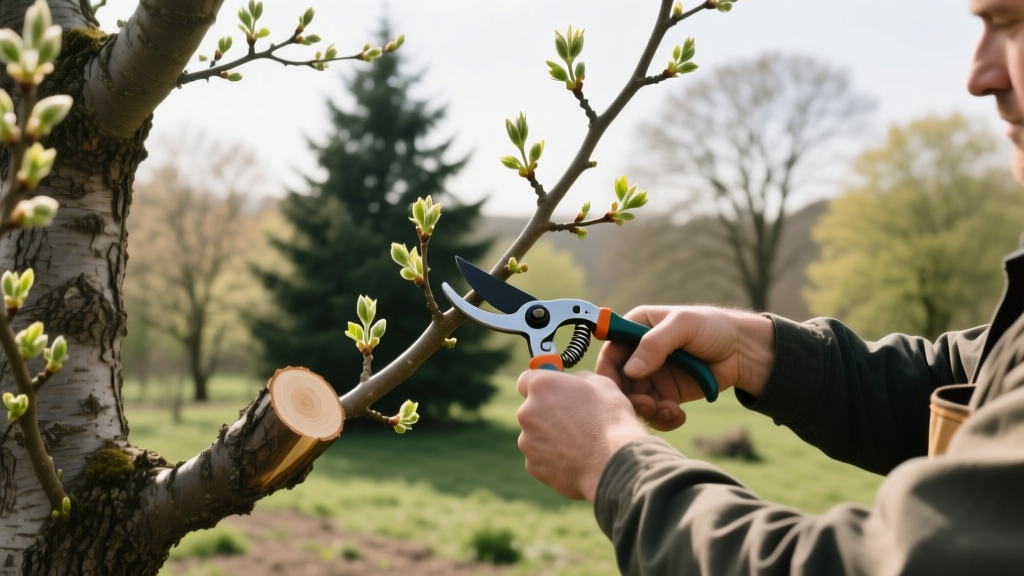
The Ultimate Tree Pruning Timing Guide: When To Trim
David ParkPublished
Introduction
Pruning is one of the most critical maintenance practices for the long-term health, structural integrity, and aesthetic appeal of your landscape trees. However, knowing how to prune is only half the battle; knowing when to prune is equally, if not more, important. The timing of your pruning cuts dictates how quickly a tree can compartmentalize wounds, defend against pathogens, and direct its energy toward new growth. In this comprehensive when-to timing guide, we will break down the optimal seasonal windows for pruning deciduous, evergreen, and flowering trees, ensuring your landscape thrives year after year.
The Science Behind Pruning Timing
Trees do not heal in the same way humans do; instead, they compartmentalize damage. When you make a pruning cut, the tree initiates a chemical and physical process known as Compartmentalization of Decay in Trees (CODIT). This process is most vigorous when the tree is actively growing, immediately following the dormant season. According to the University of Minnesota Extension, pruning during the late dormant season allows the tree to begin the wound-sealing process as soon as spring growth commences, minimizing the window of vulnerability for wood-decaying fungi and boring insects.
The Golden Window: Late Winter to Early Spring
For the vast majority of deciduous trees, the absolute best time to prune is during the late dormant season, typically between late January and early March, depending on your USDA Hardiness Zone. During this window, several advantageous factors align:
- Visibility: Without leaves obscuring the canopy, you can clearly see the tree's branching structure, making it easier to identify crossing branches, weak crotches, and dead wood.
- Disease Prevention: Many fungal spores and bacterial pathogens are also dormant or inactive during freezing temperatures, drastically reducing the risk of infection through fresh pruning cuts.
- Pest Avoidance: Wood-boring insects and sap-feeding beetles that transmit devastating diseases are inactive in the cold.
- Energy Conservation: The tree has stored all its carbohydrates in the root system. Pruning in late winter removes fewer stored energy reserves compared to pruning in late summer.
Species-Specific Timing Guidelines
While late winter is a safe bet for most species, certain trees require specialized timing to avoid severe health consequences or the loss of seasonal blooms.
Oak Trees and the Threat of Oak Wilt
If you have oak trees on your property, timing is a matter of life and death. Oak wilt is a fatal vascular disease spread by sap-feeding nitidulid beetles. These beetles are highly attracted to the fresh wounds on oak trees. The Iowa State University Extension and Outreach strictly advises pruning oaks only during the winter months (December through February) when the beetles are completely inactive. Never prune an oak tree between April and July, and avoid pruning during mild spells in early spring when beetle activity spikes.
Maples, Birches, and Walnuts: Managing Sap Flow
Trees in the Acer (maple), Betula (birch), and Juglans (walnut) genera are notorious for 'bleeding' copious amounts of sap if pruned in late winter or early spring. While this sap flow looks alarming, it is largely cosmetic and rarely harms a mature, healthy tree. However, to avoid the mess and potential staining of nearby hardscapes, you can prune these species in mid-summer (after the leaves have fully matured) or in late fall after the leaves have dropped but before the deep winter freeze sets in.
Flowering Trees: Protecting the Bloom Cycle
The timing for flowering trees depends entirely on when they produce their blossoms. The Clemson University Home & Garden Information Center outlines a simple rule of thumb:
- Spring-Blooming Trees (e.g., Dogwood, Redbud, Cherry, Magnolia): These trees set their flower buds on 'old wood' during the previous summer. If you prune them in late winter, you will cut off this year's flowers. Prune these trees immediately after their spring blooms fade.
- Summer-Blooming Trees (e.g., Crape Myrtle, Rose of Sharon): These species produce flowers on 'new wood' that grows in the current spring. Prune them during the late dormant season (late winter) to encourage vigorous new growth and abundant summer blooms.
Evergreen Pruning Schedules
Evergreens generally require less pruning than deciduous trees, but when intervention is needed, timing is crucial to avoid stunting growth or creating unsightly dead zones.
- Pines: Prune pines in the spring when the new growth, known as 'candles,' has elongated but before the needles open. Snapping off half of the candle encourages denser branching. Never prune back into old, bare wood on a pine, as it will not generate new buds.
- Spruces and Firs: Prune in early spring before new growth begins, or in late summer after the current year's growth has hardened off. You can cut back to lateral branches to maintain shape.
- Arborvitae and Yews: These tolerate heavier shearing and can be pruned in early spring or mid-summer. Avoid pruning in late fall, as new growth will not harden off before winter frosts.
Seasonal Tree Pruning Calendar
Use the following reference table to plan your annual tree care schedule based on the season and tree type.
| Season | Months | Recommended Actions | Trees to Avoid Pruning |
|---|---|---|---|
| Late Winter | Jan - Mar | Structural pruning, deadwood removal, summer-flowering trees, oaks. | Spring-blooming trees (will remove buds). |
| Spring | Apr - Jun | Pine candle pinching, pruning spring-bloomers immediately after flowering. | Oaks (high oak wilt risk), Elms (Dutch Elm Disease risk). |
| Summer | Jul - Aug | Light crown thinning, removing water sprouts, pruning 'bleeding' trees (maples/birches). | Heavy structural pruning (stresses trees during heat). |
| Fall | Sep - Nov | Removing hazardous deadwood only. | Most living tissue (fungal spores are highly active; wounds heal slowly). |
When You Should NEVER Prune
One of the most common mistakes homeowners make is pruning in late summer or early fall. During this time, pruning cuts stimulate the tree to push out tender, new vegetative growth. Because the days are shortening and temperatures are dropping, this new growth will not have time to 'harden off' or lignify before the first killing frost. The result is severe winter dieback, leaving the tree vulnerable to frost cracks, canker diseases, and structural failure.
Pro Tip: The only exception to the 'no fall pruning' rule is the immediate removal of broken, diseased, or hazardous branches that pose a risk to people or property during upcoming winter storms.
Essential Pruning Techniques and Tool Sanitation
Proper timing must be paired with proper technique. For any branch larger than 2 inches in diameter, always use the 3-Cut Method to prevent the bark from tearing down the trunk:
- The Undercut: Make a shallow cut on the underside of the branch, about 6 to 12 inches away from the trunk. This severs the bark and prevents tearing.
- The Relief Cut: Make a second cut completely through the branch, about 2 inches further out from the undercut. The weight of the branch will snap off cleanly.
- The Collar Cut: Make the final cut just outside the 'branch collar' (the swollen area where the branch meets the trunk). Never cut flush against the trunk, as this destroys the tree's natural defense zone and invites decay.
Furthermore, always sanitize your pruning saws and loppers between trees, and especially after cutting diseased wood. Wipe the blades with a 10% bleach solution or 70% isopropyl alcohol to prevent cross-contamination of bacterial and fungal pathogens.
Conclusion
Mastering the when-to timing of tree pruning is an investment in the longevity and safety of your landscape. By aligning your pruning schedule with the natural biological rhythms of your specific tree species, you promote rapid wound closure, reduce the risk of devastating diseases like oak wilt, and ensure spectacular floral displays. Grab your bypass pruners, check the seasonal calendar, and give your trees the precise care they need at the exact right time.