Tree Care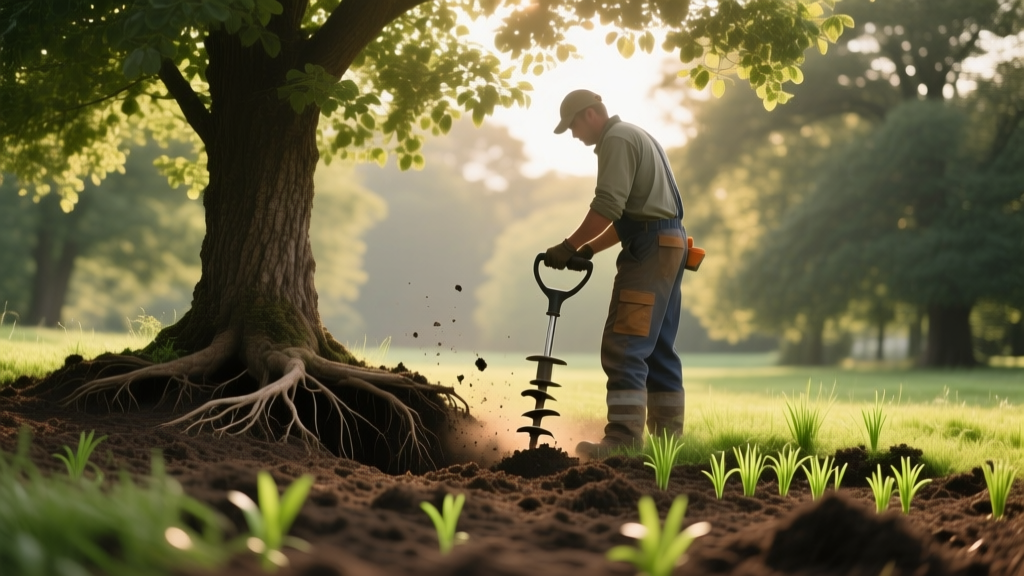
Tree Root Aeration and Under-Canopy Overseeding Guide
Robert HayesPublished
The Hidden Threat of Soil Compaction Around Trees
When managing a landscape, the intersection of tree care and lawn care is often a battleground. Homeowners frequently focus on the visible canopy and the lushness of the turf, but the critical zone where these two ecosystems meet—the soil beneath the tree's dripline—is frequently neglected. Soil compaction is one of the most insidious threats to mature trees and under-canopy turfgrass alike. According to the Arbor Day Foundation, compacted soil lacks the macropores necessary for oxygen and water infiltration, effectively suffocating the fine feeder roots that trees rely on for nutrient uptake.
Furthermore, attempting to grow grass under a tree in compacted, shaded soil is an exercise in frustration. The grass struggles to establish, leading to bare patches, erosion, and increased foot traffic, which only worsens the compaction. To achieve a thriving landscape, you must address the soil structure through specialized tree root aeration and employ strategic under-canopy overseeding techniques. This guide bridges the gap between arboriculture and turf management, providing actionable steps to revitalize the soil and establish resilient ground cover beneath your trees.
Tree Root Aeration Techniques
Standard lawn core aerators are heavy, and their metal tines can sever the structural and lateral roots of a tree if used aggressively within the dripline. Therefore, tree root aeration requires specialized, low-impact techniques designed to introduce oxygen into the soil profile without causing catastrophic root damage. Below are the three most effective methods recommended by arborists.
1. Air Spading (Pneumatic Excavation)
Air spading is the gold standard for relieving severe soil compaction around mature trees. An arborist uses a pneumatic tool that compresses air and releases it at supersonic speeds through a specialized nozzle. This process safely fractures compacted soil and blows it away without cutting or tearing the flexible tree roots. Once the root flare and upper soil profile are exposed, the arborist can prune girdling roots, apply organic compost, and gently backfill the area with a highly porous, nutrient-rich soil mix. While highly effective, air spading is a professional service, typically costing between $150 and $300 per hour, depending on the tree's size and the severity of the compaction.
2. Vertical Mulching
For moderate compaction, vertical mulching is a highly effective and more affordable DIY or contractor-level technique. This involves using a power auger or heavy-duty drill to bore holes 2 to 3 inches in diameter and 12 to 18 inches deep into the soil within the tree's dripline. The holes are spaced in a grid pattern, typically 3 to 4 feet apart, starting a few feet away from the trunk to avoid damaging the root collar. These holes are then filled with a mixture of coarse sand, pea gravel, and high-quality compost. According to Penn State Extension, vertical mulching creates permanent channels for water, oxygen, and nutrients to reach the deeper root zones while improving overall soil drainage.
3. Radial Trenching
Radial trenching is ideal for trees suffering from construction damage or severe grade changes. Trenches are dug radiating outward from the trunk, resembling the spokes of a wheel. The trenches are typically 2 to 4 inches wide, 12 to 18 inches deep, and start at least 3 to 5 feet away from the trunk to protect the critical root flare. The excavated soil is replaced with a porous mix of topsoil, compost, and coarse mulch. This technique encourages roots to grow outward into the nutrient-rich trenches, expanding the tree's absorptive capacity.
Comparison of Tree Root Aeration Methods
| Method | Best Use Case | Depth of Treatment | Root Damage Risk | Estimated Cost |
|---|---|---|---|---|
| Air Spading | Severe compaction, root collar excavation | Surface to 12 inches | Extremely Low | $150 - $300 / hour |
| Vertical Mulching | Moderate compaction, routine maintenance | 12 to 18 inches | Low to Moderate | $500 - $1,200 per tree |
| Radial Trenching | Post-construction, poor drainage | 12 to 18 inches | Moderate | $800 - $1,500 per tree |
Overseeding Under the Tree Canopy
Once the soil is aerated and oxygen levels are restored, the next challenge is establishing a viable ground cover. The microclimate under a tree canopy is harsh: sunlight is filtered, rainfall is intercepted by the leaves, and the tree's feeder roots aggressively compete for moisture and nutrients. Standard Kentucky Bluegrass or Perennial Ryegrass will quickly thin out and die in these conditions.
To succeed, you must select shade-tolerant, low-competition grass species. The University of Minnesota Extension highly recommends Fine Fescues for under-canopy environments. Fine fescues—including Chewings fescue, creeping red fescue, and hard fescue—have narrow leaf blades, require less nitrogen, and possess a remarkable ability to thrive in low-light conditions. They also have a less aggressive root system than tall fescue or bluegrass, meaning they are less likely to compete directly with the tree's vital feeder roots.
Seed Selection and Preparation
- Seed Mix: Purchase a high-quality 'Shade Mix' that lists Fine Fescues as the primary ingredient. Avoid mixes containing 'coated' seeds with excessive filler or those heavily weighted with annual ryegrass.
- Seeding Rate: For fine fescues, apply seed at a rate of 5 to 8 pounds per 1,000 square feet.
- Timing: The optimal window for overseeding under trees is early fall (late August to mid-September). The tree's water demands begin to drop, cooler air temperatures reduce grass stress, and autumn leaf drop can be managed by gentle mowing or blowing before the grass seedlings are smothered.
Step-by-Step Guide to Aerating and Seeding Around Trees
Integrating tree root aeration with turf establishment requires a delicate touch. Follow this step-by-step protocol to ensure both the tree and the new grass thrive.
Step 1: Map the Dripline and Clear Debris
Identify the tree's dripline (the outer edge of the canopy). Gently rake the area to remove leaves, twigs, and dead thatch. Do not use a heavy metal dethatching rake, as this can scrape and damage the shallow feeder roots located just below the soil surface.
Step 2: Perform Gentle Aeration
If you are not hiring a professional for air spading, use a manual garden fork or a small hand-tine aerator to gently pierce the soil in the outer two-thirds of the dripline. Push the tines in 3 to 4 inches deep and pull back slightly to crack the soil. Avoid the area within 3 feet of the trunk to protect the root flare. If utilizing vertical mulching, drill your holes now and fill them with your compost-gravel mix.
Step 3: Topdress and Seed
Spread a thin layer (no more than 1/4 inch) of screened compost or high-quality topsoil over the aerated area. This provides a seedbed for the fine fescue and adds organic matter to the soil. Broadcast the shade-tolerant grass seed evenly over the topdressed soil.
Step 4: Watering and Maintenance
Water the area lightly but frequently. The goal is to keep the top inch of soil consistently moist without creating standing water, which can rot tree roots. Water 2 to 3 times a day for 5-10 minutes until the grass seedlings reach 2 inches in height. Once established, transition to deep, infrequent watering to encourage both the grass and the tree to develop deep, drought-resistant root systems.
Common Mistakes to Avoid
When attempting to merge tree care with lawn care, well-meaning homeowners often make critical errors that harm the tree. Avoid the following pitfalls:
- Using Heavy Lawn Core Aerators: Ride-on or heavy walk-behind core aerators can crush shallow tree roots and cause severe soil shear. Stick to manual tools or pneumatic air spades within the dripline.
- Volcano Mulching: Never pile mulch, compost, or topsoil against the trunk of the tree. This practice, known as volcano mulching, traps moisture against the bark, leading to fatal fungal diseases, root girdling, and rodent damage. Always keep the root flare completely exposed.
- Over-Fertilizing: Fine fescues require very little nitrogen. Applying high-nitrogen lawn fertilizers to push grass growth under a tree will result in weak, succulent grass blades that are highly susceptible to powdery mildew and fungal diseases in the shaded, humid microclimate.
- Ignoring Allelopathy: Some trees, such as Black Walnuts and certain Maples, release biochemicals into the soil that inhibit the growth of other plants (allelopathy). If grass continually fails to grow under specific trees despite aeration and proper seeding, consider switching to a shade-tolerant groundcover like Hostas, Pachysandra, or Sweet Woodruff.
Conclusion
Revitalizing the soil beneath your trees is a dual investment in the longevity of your canopy and the beauty of your lawn. By utilizing specialized tree root aeration techniques like air spading or vertical mulching, you restore the vital oxygen and water pathways that mature trees desperately need. Coupling this with the strategic overseeding of fine fescues ensures that the under-canopy space is protected by a resilient, low-maintenance groundcover. With patience, proper timing, and a respect for the delicate root systems beneath the surface, you can cultivate a harmonious landscape where both trees and turf thrive together.