Tree Care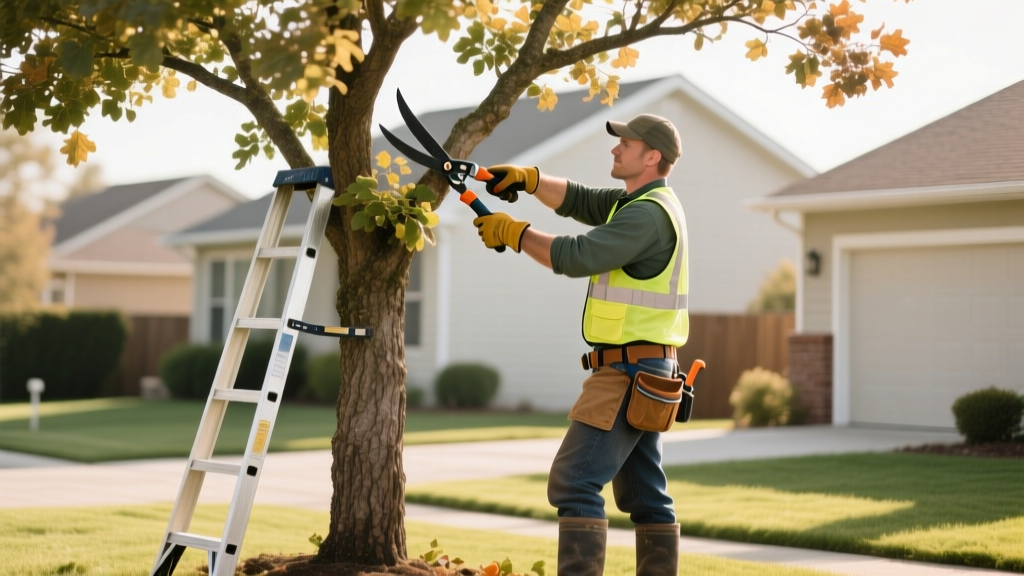
The Complete Tree Trimming and Removal Cost Guide 2024
Sarah ChenPublished
Introduction to Tree Care Costs
Trees are the crown jewels of any residential landscape, providing essential shade, improving air quality, and significantly boosting property value. However, maintaining these towering giants requires a strategic approach to tree care, which often involves professional trimming, pruning, or eventual removal. For homeowners budgeting for annual landscape maintenance or dealing with an unexpected hazard, understanding the financial commitment is crucial. This comprehensive pricing guide breaks down the average tree trimming and removal costs for 2024, helping you make informed decisions without compromising the health of your trees or your wallet.
Average Tree Trimming and Pruning Costs
Tree trimming and pruning are often used interchangeably, but they serve slightly different purposes. Trimming generally focuses on aesthetics and clearing overgrown branches, while pruning is a health-driven practice aimed at removing dead, diseased, or structurally unsound wood. According to the Arbor Day Foundation, proper pruning techniques are vital for a tree's structural integrity and longevity. Neglecting this maintenance can lead to hazardous limb drops during storms or the spread of fungal diseases. On average, homeowners spend between $200 and $800 on professional tree trimming, though this figure fluctuates wildly based on the tree's species, height, and canopy density.
Trimming Costs by Tree Size
The most significant cost driver for trimming is the height and diameter of the tree. Small trees, typically under 30 feet tall (such as dogwoods or ornamental cherries), are the most affordable to service. Because arborists can often reach the canopy using ladders or pole saws from the ground, labor times are short, resulting in costs ranging from $75 to $300. Medium-sized trees, like maples or birches standing between 30 and 60 feet, require more advanced climbing gear or small bucket trucks. Expect to pay between $150 and $500 for these specimens. Large trees, including mature oaks, pines, and sycamores exceeding 60 feet, demand specialized rigging, heavy machinery, and highly skilled climbers. Trimming a large tree typically costs between $200 and $1,800, with some massive, complex canopies pushing the upper limits of that spectrum.
Species also matters; trimming a delicate Japanese maple requires meticulous, hand-snipped cuts to preserve its aesthetic, whereas a fast-growing silver maple can be aggressively thinned using gas-powered saws, altering the labor time and final price.
Average Tree Removal Costs
While we always prefer to save a struggling tree, removal becomes an unavoidable necessity when a tree is dead, severely diseased, or posing an imminent threat to your home and power lines. Tree removal is inherently more dangerous and labor-intensive than trimming, which is reflected in the pricing. Data compiled by Angi indicates that the national average for tree removal hovers around $700 to $1,500, but extreme cases can easily exceed $3,000. The process involves not just felling the tree, but also sectioning the trunk, hauling away the debris, and managing the root system.
Cost Breakdown by Tree Height
To give you a clearer picture of what to expect when requesting quotes, we have broken down the estimated costs by tree height. Keep in mind that these prices generally include the felling of the tree and basic cleanup of the wood and brush.
| Tree Size Category | Height Range | Average Trimming Cost | Average Removal Cost |
|---|---|---|---|
| Small | Under 30 ft | $75 - $300 | $150 - $500 |
| Medium | 30 - 60 ft | $150 - $500 | $500 - $1,000 |
| Large | 60 - 80 ft | $200 - $1,000 | $1,000 - $2,000 |
| Extra Large | Over 80 ft | $800 - $1,800+ | $2,000 - $3,500+ |
Stump Grinding and Removal
It is important to note that standard tree removal quotes rarely include stump removal. Leaving a stump behind can attract pests like termites and carpenter ants, and it creates an unsightly tripping hazard in your yard. Stump grinding is usually billed as an add-on service, calculated either by a flat fee or by the diameter of the stump. On average, stump grinding costs between $2 and $4 per inch of diameter, with most homeowners paying a minimum call-out fee of $100 to $150. For a large oak stump measuring 30 inches across, expect to add $90 to $120 to your final bill.
Key Factors That Influence Tree Care Pricing
Beyond mere size, several critical variables influence your final invoice. Accessibility is a major factor; if a tree is located in a fenced backyard where a bucket truck or wood chipper cannot fit, arborists must manually haul the brush and wood to the street, significantly increasing labor hours. Proximity to hazards also drives up the price. Trees entangled in power lines or leaning precariously over a roof require meticulous, piece-by-piece rigging to prevent property damage.
Furthermore, the health of the tree plays a role. While it might seem logical that a dead tree is easier to cut down, dead wood is incredibly brittle and unpredictable. Arborists must use extreme caution and specialized rigging to dismantle a dead tree safely, often making it more expensive to remove than a healthy one. Emergency services are another massive cost multiplier. If a severe storm topples a tree onto your driveway or home, you will likely pay an emergency premium of 20% to 50% above standard rates. Arborists must drop their scheduled work and navigate chaotic, dangerous environments to secure your property.
When to Hire a Certified Arborist
Given the high stakes and physical dangers involved, tree care is not a typical weekend DIY project. The International Society of Arboriculture (ISA) strongly recommends hiring credentialed professionals for any work involving ladders, chainsaws, or overhead hazards. You can verify a professional's credentials and find local experts through the ISA's Find an Arborist tool. Certified arborists possess the training to identify hidden diseases, execute precise pruning cuts that promote healing, and safely dismantle hazardous trees.
Always verify that your tree care provider carries both comprehensive liability insurance and workers' compensation. If an uninsured worker is injured on your property, or if a falling branch damages your neighbor's roof, you could be held financially liable for the damages and medical bills.
Tips to Save Money on Tree Care
If you are looking to optimize your landscape budget, timing is everything. Tree removal and major pruning are often cheaper during the late fall and winter months. During this dormant season, tree care companies experience a slowdown in demand, and many offer off-season discounts to keep their crews busy. Additionally, the lack of foliage on deciduous trees makes them lighter and easier to dismantle, reducing labor time. Another way to save is by bundling services. If you have multiple trees that need attention, request a comprehensive property assessment. Contractors will often provide a discounted day-rate or project-rate for tackling several trees in a single visit, saving on mobilization and equipment setup costs.
Conclusion
Ultimately, investing in professional tree care is an investment in the safety and beauty of your property. While the upfront costs of trimming or removal might seem steep, they pale in comparison to the expense of repairing a roof crushed by a neglected, dead oak or paying for emergency storm damage cleanup. By understanding the pricing structures outlined in this guide, obtaining multiple quotes from ISA-certified arborists, and scheduling work during the off-season, you can maintain a thriving, safe, and beautiful urban forest right in your own backyard.