Tree Care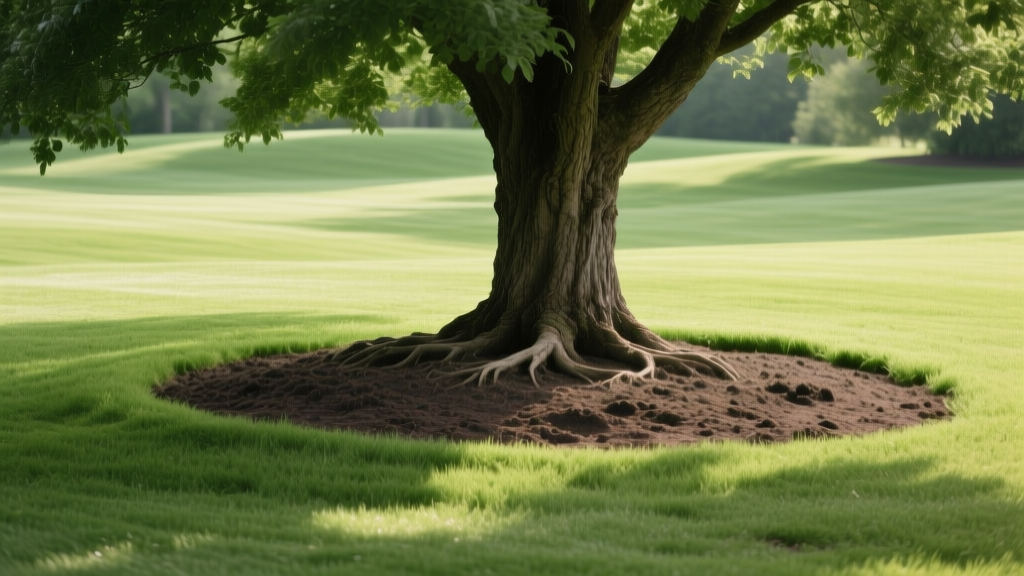
Tree and Turf Coexistence: Matching Grass to Soil Types
David ParkPublished
The Hidden Battle Beneath Your Lawn: Trees vs. Turfgrass
When designing a landscape, homeowners often envision a majestic shade tree surrounded by a lush, carpet-like lawn. However, beneath the surface, a silent battle for resources is raging. Trees and turfgrass are naturally incompatible in many environments. In a natural forest setting, trees are surrounded by a deep layer of organic leaf litter and shade-tolerant woodland plants, not aggressively growing, sun-loving turfgrass. When we force these two distinct plant types to coexist in the same soil profile, they compete fiercely for water, nutrients, oxygen, and physical space.
The primary battleground for this competition is the top six to twelve inches of soil, where the vast majority of both tree feeder roots and turfgrass roots reside. Understanding how to mitigate this competition requires a deep dive into your soil type and selecting a turfgrass variety that complements, rather than cannibalizes, your tree's root system. By matching the right grass to your specific soil conditions, you can create a harmonious landscape where both your trees and your lawn thrive.
Why Soil Type Dictates Tree and Turf Coexistence
Soil is not merely dirt; it is a complex, living matrix of minerals, organic matter, water, and air. The texture of your soil—specifically the ratio of sand, silt, and clay—determines how water drains, how nutrients are held, and how easily roots can penetrate. If you are unsure of your exact soil composition, utilizing the USDA NRCS Web Soil Survey is an excellent first step to mapping your property's native soil horizons. Matching the right grass to your specific soil type ensures that the turf does not form an impenetrable mat that starves tree roots of oxygen, nor does it demand so much water that the tree suffers from drought stress.
Managing Heavy Clay Soils
Clay soils are characterized by tiny, tightly packed particles that hold water and nutrients exceptionally well but suffer from poor drainage and severe compaction. For trees, clay soil can be suffocating. The lack of pore space means oxygen struggles to reach the feeder roots. When you add turfgrass to clay soil, the dense root mat of the grass further restricts oxygen flow. Furthermore, frequent, shallow watering—typical for maintaining a green lawn in clay—encourages tree roots to grow upward into the grass zone, making them susceptible to lawnmower damage and surface drying.
To match grass to clay soils around trees, you need deep-rooted, wear-tolerant cool-season grasses like Tall Fescue (Festuca arundinacea). Tall Fescue roots can penetrate deeper into clay profiles than Kentucky Bluegrass, reducing the direct surface competition with tree feeder roots. Avoid planting shallow-rooted grasses like Ryegrass near the drip line of trees in clay soil, as they will form a dense thatch layer that blocks water infiltration.
Navigating Sandy Soils
Sandy soils consist of large particles that create massive pore spaces. While this provides excellent aeration for tree roots, it results in rapid water drainage and severe nutrient leaching. Trees planted in sandy soils are highly susceptible to drought stress because the soil cannot hold moisture. If you plant a thirsty, high-maintenance turfgrass in sandy soil beneath a tree, the grass will act like a sponge, intercepting rainfall and irrigation before it ever reaches the deeper tree roots.
For sandy soils, drought-tolerant, warm-season grasses like Zoysiagrass or Centipedegrass are ideal. These grasses require less frequent watering and can survive the dry periods that naturally occur under a tree canopy. If you are in a cool-season climate, Fine Fescues (such as Chewings or Creeping Red Fescue) are your best bet. Fine Fescues thrive in the dry shade and low-nutrient conditions typical of sandy soils beneath mature trees.
The Loam Advantage and Its Challenges
Loam is the holy grail of soil types, offering a balanced mix of sand, silt, and clay. It retains moisture and nutrients while maintaining adequate drainage and aeration. In loam soils, the competition between trees and turf is less about survival and more about vigor. Because both plants thrive in loam, the turfgrass can grow so aggressively that it physically chokes out young tree saplings. In loam soils, the focus must shift from grass selection to spatial management—specifically, maintaining a strict mulch ring around the tree to eliminate grass competition entirely within the critical root zone.
Data Table: Turfgrass Selection by Soil Type and Tree Zone
| Soil Type | Recommended Grass | Tree Compatibility | Watering Strategy |
|---|---|---|---|
| Heavy Clay | Tall Fescue | Moderate (Requires core aeration) | Deep, infrequent soaking (1 inch per week) |
| Sandy Loam | Zoysiagrass / Fine Fescue | High (Drought tolerant, less competition) | Light, frequent watering to prevent leaching |
| Silt / Loam | Kentucky Bluegrass | Low (Aggressive rhizomes choke saplings) | Moderate, consistent moisture |
| Compacted Urban | Perennial Ryegrass | Low (Surface roots compete heavily) | Shallow, frequent (not recommended near trees) |
Actionable Strategies for Reducing Root Competition
Selecting the right grass is only half the battle. How you manage the soil and water the landscape will ultimately determine the health of your trees. Implementing the following strategies will help you maintain a beautiful lawn without sacrificing your tree's vitality.
1. Implement the 'No-Grass' Mulch Ring
The most critical step in protecting your tree is removing grass from the area directly beneath the canopy. According to the International Society of Arboriculture, maintaining a proper mulch ring is essential for tree health. As noted in the TreesAreGood mulching guidelines, mulch helps retain soil moisture, moderates temperature extremes, and prevents mechanical damage from mowers. Create a mulch ring that extends at least to the tree's drip line. Use organic hardwood mulch, applied 2 to 4 inches deep, but keep it strictly away from the trunk itself to prevent rot and rodent damage. The cost for high-quality hardwood mulch averages $30 to $45 per cubic yard, a small investment for long-term tree survival.
2. Adjust Your Irrigation Schedule
Turfgrass generally requires frequent, shallow watering to maintain its green color, while trees require deep, infrequent soaking to encourage deep root growth. If you water your lawn daily for 15 minutes, your tree's roots will migrate to the surface to capture that water, leading to structural instability and surface heaving. Instead, water the lawn and tree zones deeply once or twice a week, applying about 1 to 1.5 inches of water per session. Use a soil probe to ensure moisture is penetrating at least 8 to 12 inches into the soil profile.
3. Core Aeration and Soil Amendment
In heavy clay soils, compaction from foot traffic and mowing severely limits oxygen to tree roots. Perform core aeration on your lawn annually in the fall. When aerating near trees, be cautious not to sever major structural roots; stick to the outer drip line where feeder roots dominate. Following aeration, top-dress the lawn with a thin layer (1/4 inch) of organic compost. A professional soil test, which typically costs between $20 and $50 through local university extensions like the University of Minnesota Extension Lawn Care program, will tell you exactly which nutrients your soil lacks, preventing you from over-fertilizing the grass at the expense of the tree.
Never use broadleaf herbicides or 'weed and feed' products within the drip line of a tree. The chemical agents designed to kill broadleaf weeds can be absorbed by the tree's shallow feeder roots, leading to severe canopy dieback and long-term health decline.
When to Abandon Grass: Alternative Groundcovers
Sometimes, the soil type and the shade cast by a mature tree make growing turfgrass entirely impossible. In dense, dry shade under large maples or oaks, the soil becomes hydrophobic, and grass will consistently fail, leaving behind bare, eroded dirt. In these scenarios, forcing grass to grow leads to excessive fertilizer and water use, which harms the tree. Instead, transition to shade-tolerant, shallow-rooted groundcovers that mimic the natural forest floor.
- Creeping Jenny (Lysimachia nummularia): Thrives in moist, shaded clay soils and provides a bright green, low-growing carpet that does not compete aggressively with tree roots.
- Hostas and Ferns: While not a traditional turf replacement, mass plantings of shade-loving perennials in heavily mulched beds eliminate the need for mowing and protect the tree's root flare.
- Creeping Thyme: Ideal for sandy, well-draining soils in areas that receive dappled sunlight. It requires minimal water and forms a dense mat that suppresses weeds without choking out tree roots.
Conclusion
Harmonizing trees and turfgrass requires a strategic approach rooted in soil science. By identifying your native soil type—whether it is heavy clay, fast-draining sand, or balanced loam—you can select a turfgrass variety that minimizes root competition and resource theft. Coupled with proper mulching, deep watering techniques, and a willingness to use alternative groundcovers in dense shade, you can cultivate a landscape where your trees stand tall and your lawn remains vibrant. Remember that a healthy tree increases property value and provides ecological benefits that far outweigh the aesthetic of a perfect, wall-to-wall carpet of grass.
