Pest Control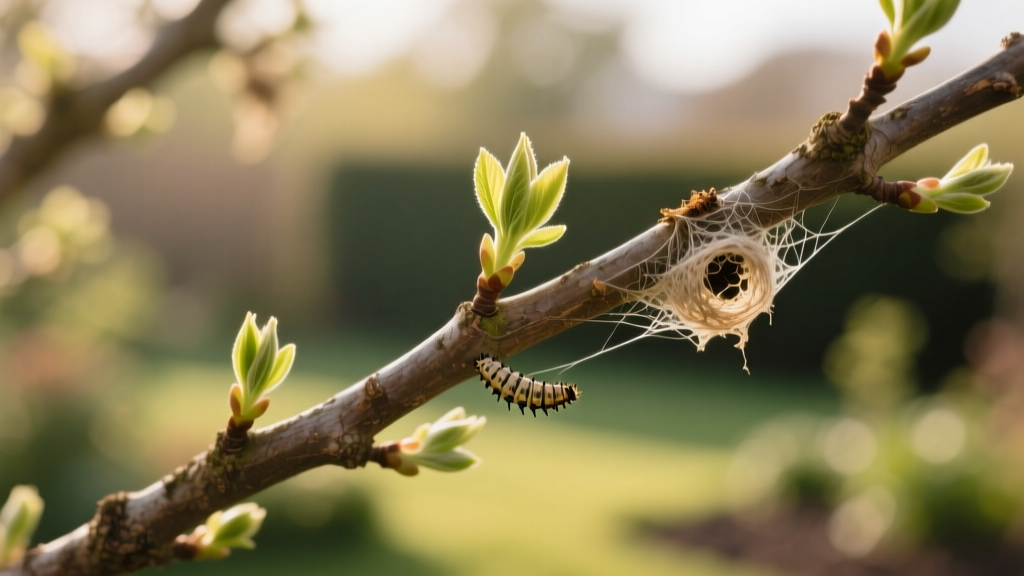
2026 IPM Scouting Calendar: Tree Web Worm Control Guide
Mike RodriguezPublished
Mastering Tree Web Worm Control in the 2026 Home Garden
As we navigate the 2026 growing season, home gardeners and landscape enthusiasts must remain vigilant against defoliating insects. Among the most visually alarming and potentially damaging pests are the various species commonly lumped together as 'tree web worms.' While they share a tendency to spin unsightly silk structures in your ornamental trees and shrubs, their life cycles, peak activity periods, and management strategies vary drastically. Relying on reactive, broad-spectrum pesticide sprays is no longer the gold standard. Instead, modern horticulture demands a proactive approach rooted in Integrated Pest Management (IPM). According to the EPA's IPM Principles, effective pest control relies on monitoring, identifying, and intervening only when pest populations reach unacceptable thresholds, utilizing the most environmentally sensitive methods first.
This comprehensive 2026 IPM scouting calendar is designed specifically for tree web worm control. By understanding exactly when and where to scout for eastern tent caterpillars, fall webworms, and bagworms, you can deploy targeted biological and organic controls before severe defoliation occurs.
Identifying the 'Web Worm' Trio
Before you can scout effectively, you must know what you are looking for. The term 'web worm' is frequently misapplied to three distinct caterpillar pests that plague North American home gardens:
1. Eastern Tent Caterpillar (Malacosoma americanum)
Active primarily in early to mid-spring, these caterpillars construct dense, silken tents in the crotches and forks of tree branches. They heavily favor trees in the Rosaceae family, including wild cherry, apple, crabapple, and plum. During the day, they retreat to the tent for protection from predators and harsh weather, emerging to feed on foliage in the early morning or late afternoon.
2. Fall Webworm (Hyphantria cunea)
Despite the name, fall webworms often appear in mid-to-late summer. Unlike tent caterpillars, they build their large, messy webs at the very tips of the branches, enclosing the foliage entirely within the web. They are highly polyphagous, feeding on over 100 species of deciduous trees, including pecan, hickory, sweetgum, and persimmon. As noted in the Penn State Extension's Fall Webworm Guide, the damage is largely cosmetic late in the season, making IPM thresholds much higher than for spring pests.
3. Bagworm (Thyridopteryx ephemeraeformis)
Bagworms are the stealthiest of the trio. They construct spindle-shaped, protective bags out of silk and the foliage of the host plant, making them look like small, hanging pine cones. They are a severe threat to evergreens, particularly arborvitae, junipers, cedars, and spruces. The Clemson HGIC Bagworm Factsheet emphasizes that severe, unmanaged bagworm infestations can lead to the complete death of evergreen branches, as conifers cannot regenerate foliage from dead, bare wood.
The 2026 IPM Scouting Calendar for Home Gardens
Use this month-by-month scouting matrix to stay ahead of web-forming caterpillars throughout the year. Adjust timing slightly based on your specific USDA Hardiness Zone and local spring emergence temperatures.
| Season / Month | Target Pest | Scouting Action & Location | IPM Threshold & Response |
|---|---|---|---|
| Feb - Mar (Dormant) | Tent Caterpillars, Bagworms | Inspect branch crotches for varnished egg masses; scan evergreens for old, overwintering bags. | Prune out egg masses and old bags. Destroy in soapy water. Apply dormant horticultural oil if scale is also present. |
| Apr - May (Early Spring) | Eastern Tent Caterpillar | Look for small silken tents forming in branch forks of cherry and apple trees. | Physically remove tents with a stick or gloved hand. Apply Btk if larvae are small and actively feeding outside the tent. |
| Jun - Jul (Early Summer) | Bagworm | Check the southern and western exposures of evergreens for tiny, newly hatched bags (1/8 inch). | Apply Btk or Spinosad immediately upon detecting early instar larvae. Hand-pick if infestation is localized. |
| Aug - Sep (Late Summer) | Fall Webworm, Bagworm | Scan branch tips for expanding webs. Check evergreens for mature, 1.5-inch bags. | Tolerate fall webworms if trees are healthy. For bagworms, hand-pick mature bags; chemical sprays are ineffective on late-stage bags. |
| Oct - Nov (Fall Cleanup) | All Web/Tent Formers | Inspect trunks and surrounding soil for overwintering pupae; scout branches for next year's egg masses. | Rake and destroy fallen debris. Maintain tree vigor with proper autumn watering and mulching to withstand future stress. |
Seasonal Scouting and Control Tactics
Dormant Season & Early Spring: The Preventative Window
The most effective IPM strategy begins before the leaves even emerge. In late winter, scout your deciduous trees for eastern tent caterpillar egg masses. These look like dark, varnished, Styrofoam-like collars wrapped around small twigs. Pruning these twigs out and disposing of them takes minutes and prevents thousands of hungry larvae from hatching. For bagworms, old bags from the previous year contain hundreds of overwintering eggs. Plucking these off your arborvitae and dropping them into a bucket of soapy water is a highly effective, zero-chemical cultural control.
Late Spring to Early Summer: Biological Interventions
As temperatures warm, eastern tent caterpillars hatch and begin building their crotch-webs. Scout weekly. If you spot small tents, use a garden cane to wind the silk and pull the tent out of the tree, dropping the caterpillars into soapy water. If the population is too high for manual removal, it is time to deploy Bacillus thuringiensis var. kurstaki (Btk). Btk is a naturally occurring soil bacterium that only targets caterpillars when ingested. Because tent caterpillars forage outside their webs daily, spraying the surrounding foliage with a 2026-formulation Btk product (such as Monterey B.t. or Bonide Thuricide) in the late afternoon will ensure the larvae ingest the bacteria before UV rays degrade it.
Simultaneously, early summer is the critical scouting window for bagworms. They typically hatch in late May to mid-June, emerging as microscopic larvae that immediately begin spinning their first tiny bags. Btk and Spinosad are exceptionally effective at this early instar stage. Once the bagworm matures and its bag becomes thick and lined with dense foliage, contact and stomach insecticides can no longer penetrate the armor.
Mid to Late Summer: Managing the Fall Webworm
By August, fall webworms make their appearance, enveloping the tips of branches in large, ghostly white webs. A common mistake among home gardeners is panicking and reaching for harsh synthetic chemicals. However, because fall webworms appear late in the season when deciduous trees have already completed the vast majority of their annual photosynthetic growth, the damage is almost entirely cosmetic. In a strict IPM framework, the aesthetic threshold for treatment is high. If intervention is desired, use a high-pressure hose to break apart the webs, exposing the caterpillars to natural predators, or prune out the affected branch tips entirely.
Biological Controls: Letting Nature Do the Work
A robust 2026 IPM program relies heavily on conservation biological control—protecting and encouraging the natural enemies of web worms. Fall webworms and tent caterpillars are native insects, meaning they have a vast array of natural predators.
- Avian Predators: Chickadees, nuthatches, woodpeckers, and cuckoos are voracious consumers of hairy caterpillars. Encourage them by maintaining diverse native shrub layers and avoiding broad-spectrum insecticides that disrupt the local food web.
- Parasitoid Wasps: Tiny, non-stinging wasps like Trichogramma species lay their eggs inside the eggs of moths and butterflies. You can purchase and release Trichogramma wasps in early spring to parasitize tent caterpillar egg masses before they hatch.
- Tachinid Flies: These beneficial flies lay eggs on or near active caterpillars. The resulting maggots burrow into the pest and consume it from the inside out. Planting nectar-rich native flowers like yarrow, dill, and sweet alyssum near your orchard or ornamental beds provides the adult flies with the energy they need to reproduce.
2026 Product Guide: Organic vs. Synthetic Options
When scouting indicates that pest populations have exceeded your damage threshold, selecting the right product is paramount. The 2026 market offers highly targeted solutions that spare beneficial insects.
Organic and Biological Options (First Line of Defense)
- Btk (Bacillus thuringiensis var. kurstaki): The undisputed champion for early-stage caterpillar control. Safe for bees, humans, and pets. Must be applied when larvae are small and actively feeding.
- Spinosad: A natural substance made by a soil bacterium. It is highly effective against bagworms and webworms and has translaminar properties (it absorbs slightly into the leaf tissue). Note: Spinosad is toxic to bees while wet, so apply strictly in the evening when bees are not foraging.
- Azadirachtin / Neem Oil: Acts as an antifeedant and growth regulator. Best used as a deterrent during early scouting phases rather than a knockdown treatment for heavy, established infestations.
Synthetic Options (Last Resort Escalation)
If a severe bagworm infestation threatens the life of a prized evergreen specimen, or if a historic orchard is facing total defoliation from tent caterpillars, synthetic escalation may be required.
- Chlorantraniliprole: Found in products like Acelepryn, this anthranilic diamide is the modern standard for professional and advanced home caterpillar control. It is highly effective against all web-forming larvae but is remarkably soft on beneficial insects, pollinators, and predatory mites.
- Pyrethroids (Bifenthrin, Permethrin): While effective and fast-acting, these broad-spectrum chemicals should be used only as a final resort. They will decimate local populations of beneficial parasitoid wasps and pollinators, often leading to secondary pest outbreaks (like spider mites) later in the 2026 season.
Conclusion
Successful tree web worm control is not about eradication; it is about management, timing, and ecological balance. By utilizing this 2026 IPM scouting calendar, you shift from a reactive posture to a proactive one. Regular scouting allows you to deploy precise, environmentally responsible treatments like Btk and manual removal exactly when they are most effective. Protect your trees, preserve your beneficial insects, and enjoy a thriving, resilient home garden this season.