Tree Care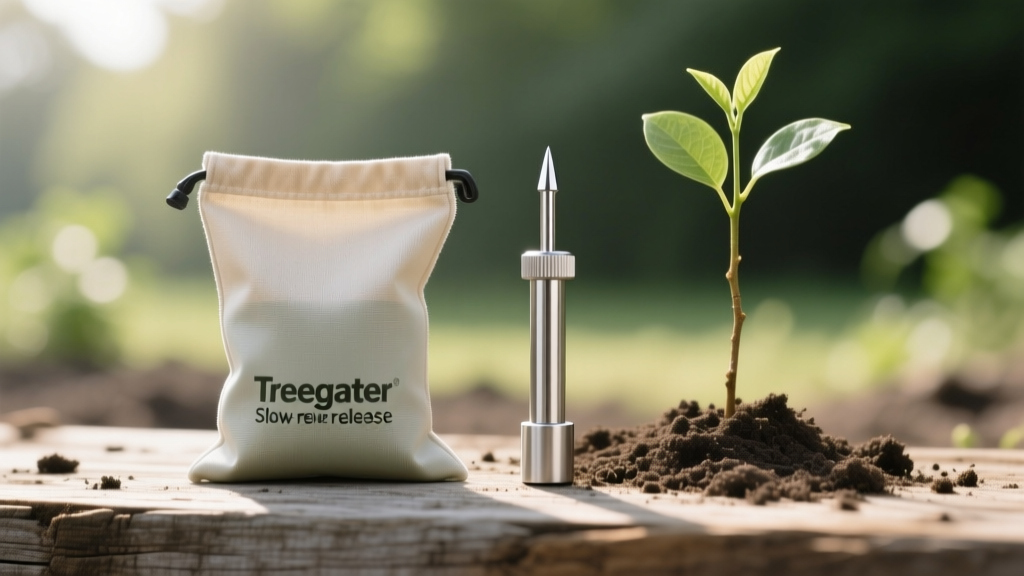
Treegator vs Deep Root Watering Needle: Which Is Best?
Emily WatsonPublished
Introduction to Deep Tree Watering Systems
When it comes to establishing newly planted trees or sustaining mature specimens during a severe summer drought, delivering water directly to the root zone is absolutely paramount. Surface watering with standard oscillating sprinklers often leads to high evaporation rates, excessive runoff, and the promotion of shallow, vulnerable root growth. To combat these inefficiencies, homeowners, landscapers, and certified arborists frequently turn to specialized deep-watering tools. Two of the most popular and widely debated options on the market are the Treegator slow-release watering bag and the deep root watering needle (often referred to as a soil probe or root feeder). But which product is truly best for your specific landscape needs? In this comprehensive comparison, we will break down the mechanics, costs, soil science, and ideal use cases for both products to help you make an informed decision for your tree care routine.
Understanding Tree Root Hydration and Soil Science
Before comparing specific products, it is essential to understand how trees absorb water and how soil composition affects hydration. According to the University of Minnesota Extension, the vast majority of a tree's fine, absorbing roots are located in the top 12 to 18 inches of soil, often extending well beyond the outer drip line of the canopy. Surface sprinklers frequently fail to penetrate compacted urban soils, heavy clay, or thick layers of hydrophobic mulch, leaving the critical root zone parched while the surface turns to mud. Deep watering encourages roots to grow downward in search of moisture, creating a more drought-resistant, wind-firm, and structurally sound tree. Both the Treegator and the deep root needle aim to solve the surface-runoff problem, but they do so using entirely different mechanical approaches.
Product A: The Treegator Slow-Release Watering Bag
The Treegator is a heavy-duty, UV-treated polyethylene bag designed to zip securely around the base of a tree trunk. Once filled with a standard garden hose, it slowly releases water through micro-perforations located at the bottom seams of the bag.
How It Works and Application
A standard single Treegator holds 15 to 20 gallons of water, while larger double-zip models can hold up to 30 gallons for multi-trunk trees or larger calipers. Depending on soil composition, mulch depth, and ambient temperature, it takes between 5 to 9 hours for the bag to completely empty. This slow, continuous drip allows water to percolate deeply into the soil profile without causing surface pooling or runoff. This makes it exceptionally useful in heavy clay soils where water infiltration rates are notoriously slow, or on sloped terrain where surface water would simply wash away.
Pros and Cons of the Treegator
- Pros: 'Set it and forget it' convenience; prevents surface runoff; delivers a precise, measurable volume of water; excellent for remote trees or vacation properties; reduces weed growth by keeping the broader surface dry.
- Cons: Can harbor pests like rodents, slugs, and earwigs underneath the dark, damp plastic; degrades and becomes brittle after 2 to 3 seasons of intense UV exposure; must be removed and stored in winter; primarily waters the immediate trunk flare and inner root ball rather than the wider, established root zone.
Product B: Deep Root Watering Needle (Soil Probe)
A deep root watering needle is a rigid metal or heavy-duty fiberglass spike that attaches directly to your standard garden hose. It features a manual shut-off valve at the handle and multiple water exit holes near the tapered tip to inject water under pressure directly into the subsoil.
How It Works and Application
To use a soil probe, you insert the needle 12 to 24 inches into the ground at a slight 45-degree angle, turn on the water to about 50% pressure, and let it run for 3 to 5 minutes before moving to the next spot. Professional arborists recommend using a grid pattern, spacing the insertion points about 18 to 24 inches apart, starting a few feet from the trunk and moving outward to the drip line. This method physically bypasses surface thatch, hydrophobic soil layers, and thick mulch, delivering hydration exactly where the fine absorbing roots live.
Pros and Cons of the Deep Root Needle
- Pros: Reaches deep root zones instantly; slightly aerates compacted soil as it is inserted; covers a massive area by moving the probe in a grid; highly durable and can last for decades if constructed from stainless steel; allows for the injection of liquid fertilizers or systemic root treatments.
- Cons: Requires manual labor, bending, and physical strength; can damage shallow utility lines or irrigation wires if not used carefully; extremely difficult to push into heavily compacted, dry, or rocky clay soils without pre-drilling; relies entirely on the user to estimate water volume and coverage.
Head-to-Head Comparison Chart
| Feature | Treegator Slow-Release Bag | Deep Root Watering Needle |
|---|---|---|
| Water Delivery Depth | Surface to 12 inches (via percolation) | 12 to 24 inches (direct injection) |
| Labor Required | Low (Zip, fill, and walk away) | High (Manual insertion and grid movement) |
| Setup & Watering Time | 5 minutes to fill; 5-9 hours to drain | 30-60 minutes of active labor per tree |
| Average Cost | $30 - $45 per bag | $35 - $70 per probe |
| Best Soil Type | Heavy clay, sloped terrain, sandy loam | Compacted urban soils, heavy clay, loam |
| Product Lifespan | 2 to 4 seasons (UV degradation) | 10+ years (if metal/stored properly) |
Cost, Maintenance, and Seasonal Care Schedules
When evaluating the financial aspect, the Treegator requires a lower initial physical effort but acts as a consumable product. Over a decade, you may need to purchase two or three replacement bags due to zipper failures or UV cracking. Maintenance involves periodically clearing the micro-drip holes with a pin or needle to prevent calcium and mineral buildup from hard water. Furthermore, seasonal care dictates that Treegators must be completely drained, cleaned, and stored indoors before the first hard freeze to prevent ice expansion from destroying the seams and to deny winter shelter to bark-gnawing rodents.
Conversely, a high-quality steel deep root needle is a one-time investment that will likely outlast the gardener. Maintenance is minimal, requiring only the occasional clearing of mud from the tip holes using a wire brush or compressed air. Seasonally, the needle should be flushed with clean water before winter storage to prevent internal rust, and the brass fittings should be checked for worn rubber O-rings to prevent hose leaks.
When to Use Which Product: Actionable Advice
The choice between these two tools largely depends on the age of the tree and the specific environmental challenges of your landscape.
Choose the Treegator if: You are dealing with newly planted saplings or transplanted trees with a trunk caliper of 1 to 4 inches. Newly planted trees have a confined root ball that requires consistent, gentle, and frequent moisture to encourage outward root growth into the native soil. The Treegator ensures the root ball never dries out completely, which is the number one cause of transplant shock and mortality in the first two years.
Choose the Deep Root Needle if: You are managing mature, established trees experiencing drought stress, or trees planted in heavily compacted urban environments where surface water simply cannot penetrate the topsoil. Established trees have expansive root systems that a single Treegator bag cannot adequately cover. The needle allows you to distribute thousands of gallons of water across the entire drip line, directly targeting the active feeding zone.
Expert Tips for Watering and Mulching Trees
Regardless of the tool you choose, proper volume and mulching techniques are critical. According to guidelines published by The Morton Arboretum, a general rule of thumb for tree hydration is to provide 10 gallons of water per inch of trunk caliper each week during the growing season. For a newly planted tree with a 2-inch caliper, this means 20 gallons a week, which equates to one full Treegator application or roughly 20 minutes of targeted deep root feeding.
Furthermore, watering tools are only effective if the soil surface is properly prepared. The International Society of Arboriculture's consumer site, TreesAreGood.org, heavily emphasizes the importance of proper mulching to retain the moisture you are applying. Always apply a 2 to 3-inch layer of organic wood chips over the root zone to reduce evaporation and moderate soil temperature. However, never pile mulch against the trunk in a 'volcano' shape. Volcano mulching traps moisture against the bark, leading to fatal fungal rot and girdling roots, entirely negating the benefits of your deep watering efforts.
'Overwatering is just as deadly as underwatering. Soil needs oxygen as much as it needs water. If you use a deep root needle and the soil becomes completely saturated and waterlogged, you will suffocate the fine feeder roots. Always check soil moisture 6 inches down with a simple soil probe or trowel before initiating a deep watering session.'
Final Verdict
Ultimately, the Treegator and the deep root watering needle are not mutually exclusive; rather, they are complementary tools in a comprehensive tree care arsenal. For the hands-off homeowner looking to ensure the survival of expensive new landscape plantings, the Treegator offers unmatched convenience and precision. For the dedicated gardener or arborist managing a mature urban forest or battling severe seasonal droughts, the deep root watering needle provides the power, reach, and soil-penetrating capability required to keep massive canopies thriving. By understanding the specific hydration needs of your trees and the physical limitations of your soil, you can select the exact right tool to cultivate a healthier, more resilient landscape.