
Landscaping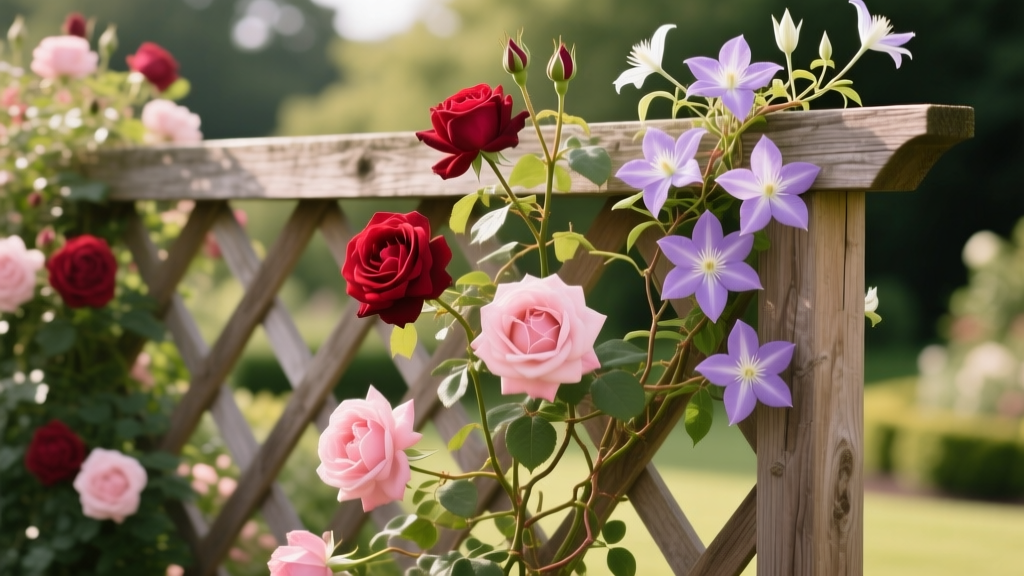
2026 Trellis Pruning Guide for Climbing Roses & Clematis
Sarah ChenPublished
As we navigate the 2026 landscaping season, vertical gardening continues to dominate outdoor design trends, transforming flat yards into lush, multi-dimensional sanctuaries. At the heart of this movement is the classic garden trellis adorned with climbing roses and clematis vines. However, simply planting these vigorous growers at the base of a structure is only the beginning. The true secret to a breathtaking, flower-covered trellis lies in mastering specific pruning methods and understanding the precise timing required for each species. Without strategic intervention, your trellis will quickly become a tangled, woody mess with blooms only at the very top. This comprehensive guide details the exact pruning protocols for 2026 to ensure your vertical garden thrives.
The Architecture of Vertical Blooms: Trellis Dynamics
Before making a single cut, it is vital to understand how climbing roses and clematis interact with a trellis. Unlike ivy or climbing hydrangeas, neither roses nor clematis possess aerial rootlets or adhesive pads to cling to flat surfaces. Roses must be manually tied and woven, while clematis twine their leaf petioles around thin supports. In 2026, modern trellis designs often feature wider grids made of powder-coated steel or sustainably harvested cedar. While aesthetically pleasing, wider grids require more aggressive lateral training and strategic pruning to prevent the vines from pulling away from the structure under their own weight.
Pruning Climbing Roses for Maximum Trellis Coverage
Climbing roses are notorious for exhibiting strong apical dominance, meaning they naturally want to send all their energy and blooms to the highest point of the canes. If left unpruned and tied straight up a trellis, you will end up with a 'bare legs' effect—lush foliage and flowers at the top, and bare, woody canes at the bottom. To counteract this, we use specific pruning and training methods.
Timing Your Rose Pruning
For the 2026 growing season, the optimal time to perform major structural pruning on climbing roses is in late winter or very early spring, just as the buds begin to swell but before they break open. In most temperate zones, this falls between late February and mid-March. Pruning at this time allows you to see the cane structure clearly and directs the plant's spring energy into the remaining, strategically placed buds.
The Horizontal Training Method
According to the Royal Horticultural Society, climbing roses produce the most abundant blooms when their main structural canes are trained horizontally. Bending the canes breaks apical dominance, encouraging the plant to produce flowering lateral shoots all along the length of the cane.
Step-by-Step Rose Trellis Pruning
- Step 1: Clear the Deadwood. Remove any black, brittle, or diseased canes entirely at the base. Disinfect your bypass pruners between cuts using a 2026-recommended eco-friendly horticultural disinfectant to prevent the spread of fungal spores.
- Step 2: Select Structural Canes. Choose 3 to 5 healthy, thick, green main canes to form the framework of your trellis. Remove any spindly, crossing, or inward-growing canes.
- Step 3: Horizontal Positioning. Gently bend the selected main canes outward and tie them to the trellis grid at a 45-degree or 90-degree angle using soft, biodegradable jute twine or wide velcro plant ties.
- Step 4: Prune the Laterals. The side shoots (laterals) growing off the main canes are where the flowers will form. Prune these lateral shoots back to just 2 or 3 outward-facing buds (about 3 to 6 inches from the main cane). This keeps the foliage tight against the trellis and prevents a chaotic, protruding tangle.
Mastering Clematis Pruning Groups for Trellises
Clematis vines are the perfect trellis companions, weaving gracefully through the rose canes and extending the blooming season. However, clematis pruning is notoriously confusing for beginners because timing depends entirely on the plant's specific pruning group. Misidentifying your clematis and pruning it at the wrong time is the leading cause of bloom failure. The University of Minnesota Extension emphasizes that understanding these groups is non-negotiable for vertical garden success.
Clematis Pruning Groups and Timing
| Pruning Group | Bloom Time & Wood Type | Pruning Timing | Trellis Pruning Method |
|---|---|---|---|
| Group 1 | Early Spring (Blooms on old wood) | Immediately after flowering finishes in late spring. | Minimal pruning. Only remove dead stems and lightly shape the vine to keep it within the trellis boundaries. Never cut back hard. |
| Group 2 | Early Summer & Late Summer (Blooms on old and new wood) | Late winter (light prune) and after the first flush of flowers. | Remove dead/weak stems in late winter. After the first summer bloom, deadhead and prune back the flowering stems to a strong set of buds to encourage a second flush and keep the trellis tidy. |
| Group 3 | Mid-Summer to Fall (Blooms entirely on new wood) | Late winter / Early spring (before new growth emerges). | Hard prune. Cut all stems back to 12-18 inches above the ground, leaving 2-3 strong buds per stem. This prevents the 'bird's nest' effect at the top of the trellis. |
The Classic Pairing: Managing Roses and Clematis Together
Pairing a climbing rose with a clematis on a single trellis is a hallmark of sophisticated landscape design. The rose provides the sturdy, woody framework and early-to-mid summer blooms, while the clematis weaves through the rose laterals, offering contrasting colors and extended seasonal interest. For the 2026 season, landscape designers highly recommend pairing climbing roses with Group 3 Clematis (such as 'Polish Spirit' or 'Madame Julia Correvon').
Why Group 3? Because the pruning schedule aligns perfectly. In late winter, you can perform your structural pruning and horizontal tying for the climbing roses, and simultaneously hard-prune the Group 3 clematis down to the base. As spring arrives, the rose will push out its laterals, and the clematis will rapidly shoot up from the ground, naturally twining its petioles around the rose canes and the trellis grid without requiring tedious manual weaving.
Essential 2026 Pruning Tools and Eco-Friendly Ties
Executing precise cuts on a trellis requires the right equipment. Dull blades crush plant tissue, inviting disease and ruining the aesthetic of your vertical display.
- Bypass Pruners: Invest in a high-quality pair of bypass pruners (such as the Felco 2 or 6, depending on hand size). Anvil pruners should be avoided for live rose and clematis canes as they crush the vascular tissue.
- Micro-Tip Snips: For delicate clematis petioles and deadheading spent rose blooms in the summer, micro-tip pruning snips offer the precision needed to navigate a dense trellis without accidentally snipping adjacent buds.
- Sustainable Plant Ties: In 2026, the industry has moved away from plastic zip-ties and wire, which can girdle canes as they thicken and leach microplastics into the soil. Use unbleached jute twine, expandable soft foam ties, or cut-up strips of old cotton t-shirts to secure canes to the trellis.
Common Trellis Pruning Mistakes to Avoid
Even experienced gardeners can stumble when managing vertical growth. Avoid these critical errors to ensure your trellis remains the focal point of your 2026 garden:
- Over-Pruning Climbing Roses: Unlike shrub roses, climbing roses rely on older, established canes for their main structure. Never cut the primary structural canes back to the ground unless they are dead or severely diseased. You will lose years of growth and sacrifice the upcoming season's blooms.
- Ignoring the Trellis Center: Vines naturally want to grow up and out, leaving the center of the trellis hollow and exposed. When tying laterals, intentionally weave some canes back through the center grid to create a dense, opaque wall of foliage that provides better privacy and wind protection.
- Failing to Deadhead Group 2 Clematis: If you choose a Group 2 clematis for your trellis, failing to deadhead and lightly prune the spent spring flowers will result in the plant putting energy into seed heads rather than producing a second flush of late-summer blooms.
Conclusion
Mastering the pruning methods and timing for climbing roses and clematis transforms a simple garden trellis into a living masterpiece. By respecting the apical dominance of roses through horizontal training, and aligning your clematis selection with the correct pruning group, you guarantee a dense, structurally sound, and endlessly blooming vertical display. For further reading on advanced vine maintenance, the RHS Clematis Pruning Guide remains an invaluable resource for horticultural best practices. Grab your sterilized bypass pruners, step out into the late winter air, and shape your 2026 vertical garden with confidence.

