
Landscaping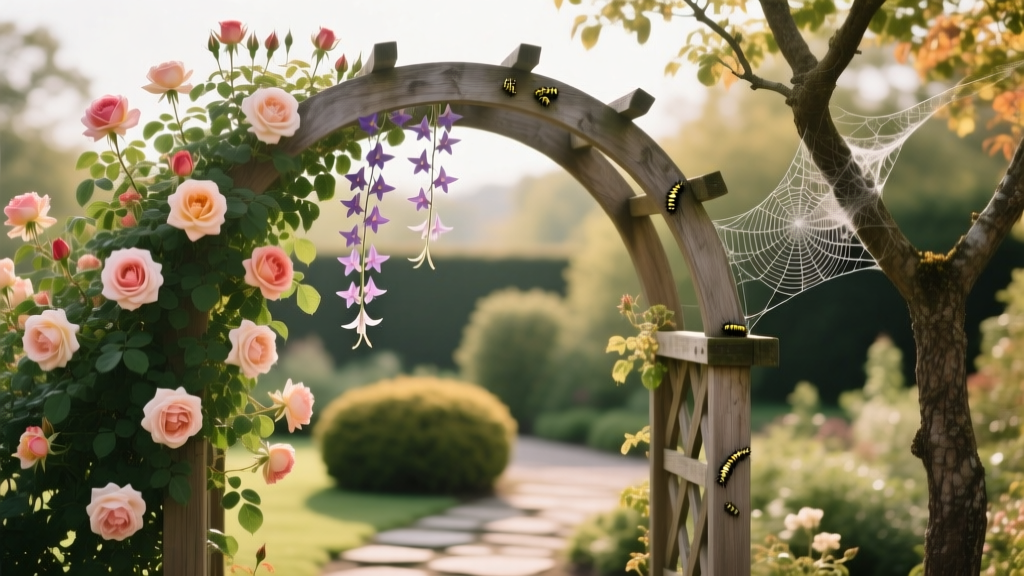
2026 Trellis Guide for Roses, Clematis & Web Worm Control
Sarah ChenPublished
The Hidden Conflict: Vertical Gardens and Overstory Pests
Landscaping in 2026 demands a sophisticated understanding of how vertical structures interact with the broader ecosystem of your yard. Vertical gardening with climbing roses (Rosa spp.) and clematis vines is more popular than ever, offering stunning visual height and exceptional curb appeal. However, integrating these features near mature shade trees introduces a unique and often overlooked challenge: the fall webworm (Hyphantria cunea). While webworms do not typically feed on roses or clematis, their presence in overstory host trees—such as hickory, pecan, walnut, and sweetgum—creates a hazardous environment for your trellis and the delicate vines it supports.
As a landscaping professional or dedicated home gardener, you must view tree web worm control and trellis placement as interconnected elements of a single landscape design. When webworms infest the canopy above, they drop massive amounts of frass (caterpillar droppings) and silken webbing. If a trellis is placed directly under the drip line of an infested tree, your clematis and roses will be coated in debris. This blocks photosynthesis, invites devastating fungal diseases like black spot and clematis wilt, and makes the surrounding outdoor living space highly unpleasant. Furthermore, severe webworm infestations weaken tree limbs, increasing the risk of branch drop that can crush expensive cedar or metal trellises during late summer storms.
Understanding the Fall Webworm Life Cycle
To effectively protect your vertical gardens, you must understand the enemy. According to the University of Minnesota Extension, fall webworms typically emerge in mid-to-late summer, spinning large, unsightly silken nests at the tips of tree branches. Unlike tent caterpillars that emerge in spring, webworms are active precisely when your climbing roses are pushing out their late-summer flushes and clematis are in their prime blooming cycles.
The primary issue for trellis maintenance is the 'frass rain' that occurs beneath these nests. Caterpillar droppings are highly acidic and can stain composite decking, discolor light-colored vinyl trellises, and alter the soil pH in your garden beds. In 2026, integrated pest management (IPM) protocols emphasize proactive canopy monitoring rather than reactive chemical spraying, ensuring that beneficial pollinators visiting your roses and clematis are not harmed by broad-spectrum insecticides.
Choosing the Right Trellis Material in 2026
When designing a garden bed beneath or near susceptible trees, the material of your trellis dictates how easily you can manage webworm fallout. The landscaping industry has shifted heavily toward low-porosity, easy-to-clean materials for pest-prone zones.
- Powder-Coated Corten Steel: The top choice for 2026. The smooth, baked-on finish prevents webworm silk from adhering permanently. A simple blast from a garden hose clears away frass and webbing without damaging the structure.
- Composite Lumber: Made from recycled wood fibers and plastics, modern composite trellises resist the moisture and acidic frass that would rot traditional wood. They are excellent for clematis, which requires a cool root zone that composite helps maintain.
- Untreated Cedar: While beautiful and traditional, raw cedar is highly porous. Webworm frass will stain the wood, and the rough surface provides a haven for secondary pests and fungal spores that can transfer to your climbing roses.
Strategic Placement: Sun, Soil, and Drip Lines
Proper placement is your first line of defense in tree web worm control. When mapping out your landscape, identify all known host trees. The critical rule for 2026 landscape design is to keep your primary rose and clematis trellises at least 10 to 15 feet outside the drip line of these trees. This distance minimizes the impact of frass rain and reduces the likelihood of falling, webworm-weakened branches destroying your hardscaping.
For climbing roses, which require a minimum of six hours of direct sunlight to produce vigorous blooms, placing trellises on the south or west-facing sides of your property—away from the dense shade of large pecan or hickory trees—serves a dual purpose. It maximizes solar exposure while naturally distancing the vines from webworm habitats. Clematis, famously governed by the 'cool roots, warm head' principle, can be planted on the north or east sides of structures. If you must plant near trees, use a thick layer of organic mulch and shade-tolerant groundcovers to keep the clematis roots cool, while employing aggressive canopy pruning on the host tree to allow light penetration and disrupt webworm nesting sites.
Integrated Pest Management (IPM) for Web Worms
If your trellis is already established near a host tree, proactive webworm control is non-negotiable. The University of Kentucky Entomology department notes that biological controls are highly effective when timed correctly. In early summer, before the webs become massive, apply Bacillus thuringiensis var. kurstaki (Btk) to the tree canopy. Btk is a naturally occurring soil bacterium that specifically targets caterpillars and is completely safe for your roses, clematis, and the bees that pollinate them.
Additionally, encourage natural predators. Parasitic wasps and birds, such as yellow-billed cuckoos and orioles, are voracious consumers of webworms. By installing bird-friendly habitat features away from your trellises, you draw these natural pest controllers into your landscape. For immediate physical control, use a telescoping pole pruner to remove and destroy small web nests as soon as they appear in late July. Never attempt to burn the nests out of the tree, as this poses a severe fire hazard to your nearby trellises and garden beds.
2026 Trellis Material Comparison Chart
Selecting the right support structure requires balancing vine weight, aesthetic preferences, and pest maintenance. Below is a comparison of the top trellis materials for landscapes dealing with overstory tree pests.
| Material | 2026 Avg Cost | Webworm Debris Cleanup | Best Vine Match |
|---|---|---|---|
| Powder-Coated Steel | $180 - $350 | Excellent (Wipe/Hose clean) | Heavy Climbing Roses |
| Composite Lumber | $220 - $400 | Very Good (Hose off) | Clematis & Light Roses |
| Vinyl (PVC) | $90 - $160 | Good (May stain if ignored) | Annual Vines & Clematis |
| Untreated Cedar | $110 - $180 | Poor (Absorbs frass/stains) | Seasonal Annuals Only |
Vine Care and Maintenance in Pest-Heavy Zones
Even with the best trellis placement and tree web worm control strategies, some debris may reach your vines. According to the Royal Horticultural Society, keeping clematis foliage clean and well-ventilated is crucial for preventing wilt and fungal issues. If frass accumulates on your clematis leaves, gently wash the foliage with a mild stream of water in the early morning so the leaves can dry completely in the sun. For climbing roses, maintain an open center structure through strategic pruning to ensure air circulation, which helps blow away lightweight webworm silk and debris before it can settle and trap moisture against the canes.
Use modern, flexible silicone vine ties to secure your roses and clematis to the trellis. Unlike traditional jute twine, which can harbor pest eggs and trap webworm debris, silicone ties can be quickly wiped down and reused year after year. In the late fall, after the webworms have completed their life cycle and dropped to the soil to pupate, thoroughly rake and remove all leaf litter from the base of your trellis and the host tree. This disrupts the pupation cycle, significantly reducing the webworm population for the following 2027 season.
Conclusion
Creating a breathtaking vertical garden with climbing roses and clematis requires more than just good soil and sunlight; it requires a holistic view of your landscape's ecosystem. By understanding the behavior of the fall webworm and strategically placing and selecting your trellises, you can protect your investments and enjoy a pristine, vibrant garden. Embrace the 2026 best practices for integrated pest management and smart hardscaping materials, and your vertical gardens will thrive beautifully, free from the shadow of overstory pests.

