Gardening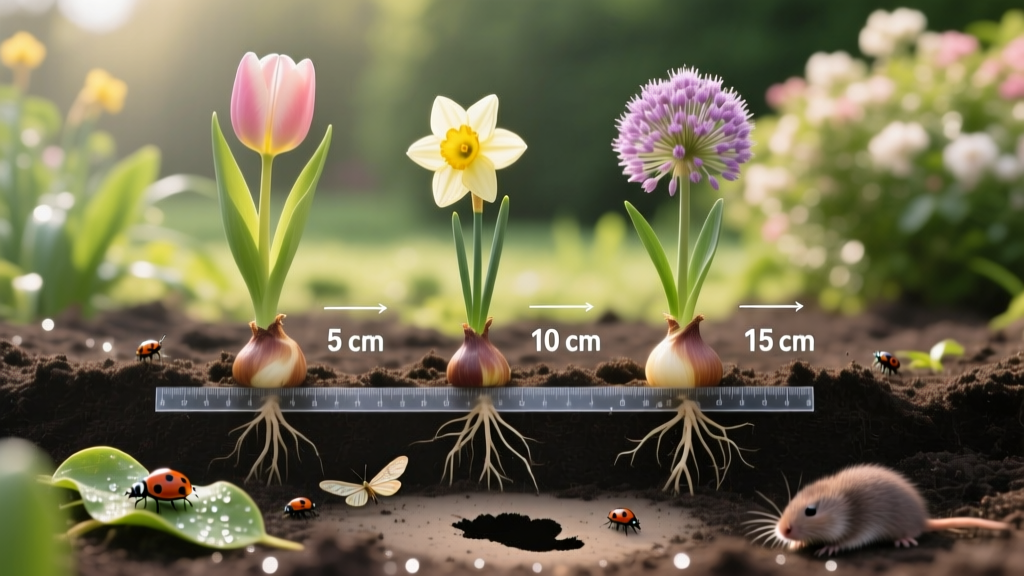
2026 Bulb Depth Guide: Tulips, Daffodils, Alliums & Pest Control
Emily WatsonPublished
The 2026 Shift: Ecological Bulb Planting and Soil Food Webs
As we navigate the 2026 gardening season, the shift toward regenerative practices and biological pest control has fundamentally changed how we approach spring bulb planting. Gone are the days when planting depth was solely determined by frost lines and drainage. Today, horticulturists and home gardeners alike recognize that the precise depth at which you plant tulips, daffodils, and alliums directly influences their vulnerability to subterranean pests and their ability to integrate with beneficial soil insects. According to the University of Minnesota Extension, proper bulb placement is the first line of defense in an integrated pest management (IPM) strategy, reducing the need for disruptive chemical interventions.
When you plant a bulb, you are not just placing a flower in the ground; you are introducing a new node into the local soil food web. Shallow planting can expose bulbs to foraging rodents and temperature fluctuations, while overly deep planting can delay emergence and create anaerobic conditions that favor pathogenic fungi over beneficial microbes. By aligning your planting depths with bio-control principles, you can foster habitats for predatory mites, entomopathogenic nematodes, and ground beetles that naturally keep bulb-destroying pests in check.
Tulips: Deep Planting for Vole Deterrence and Mite Management
Tulips (Tulipa spp.) are notoriously susceptible to subterranean pests, particularly voles and bulb mites. In traditional gardening guides, tulips are often recommended for planting at a depth of 6 to 8 inches. However, updated bio-control strategies for 2026 advocate for deeper planting—specifically 10 to 12 inches—to exploit the foraging habits of meadow voles (Microtus pennsylvanicus). Voles typically create shallow runway networks and forage in the top 6 to 8 inches of soil. By placing your tulip bulbs below this primary foraging zone, you create a physical barrier that drastically reduces rodent predation without the use of toxic baits or trapping.
Beyond rodent deterrence, deeper planting helps regulate soil temperature and moisture, creating a more stable micro-habitat for beneficial organisms. One of the most insidious threats to tulips is the bulb mite (Rhizoglyphus spp.), which attacks damaged or stressed bulbs. To combat this bio-control agents like the predatory soil mite Stratiolaelaps scimitus (formerly Hypoaspis miles) can be introduced to the soil profile at planting time. These predatory mites thrive in the stable, moderately moist conditions found at the 10-inch depth line, where they actively hunt and consume pest mite populations before they can compromise the tulip's basal plate.
Furthermore, applying a localized drench of beneficial nematodes (Steinernema feltiae) during the backfilling process can target the larvae of fungus gnats, which often vector diseases to tulip bulbs. The Royal Horticultural Society (RHS) emphasizes that matching the planting depth to the specific bulb size and local soil ecology is paramount for long-term perennial success and pest avoidance.
Daffodils: Leveraging Toxicity and Depth for Rodent Defense
Daffodils (Narcissus spp.) are the workhorses of the spring garden, largely because they contain lycorine, an alkaloid that makes them highly toxic and unpalatable to rodents and deer. While their natural chemical defense is robust, planting depth still plays a critical role in their ecological function and their relationship with beneficial insects. The ideal planting depth for daffodils in 2026 is 6 to 8 inches, measured from the base of the bulb.
The primary pest threat to daffodils is not rodents, but the narcissus bulb fly (Merodon equestris). The adult fly lays eggs at the base of the foliage in late spring, and the resulting larvae burrow into the bulb, hollowing it out. Here, the bio-control strategy relies heavily on the conservation of ground beetles (Carabidae). Ground beetles are voracious nocturnal predators that consume the soft-bodied larvae of the bulb fly before they can penetrate the bulb's tunic.
To foster ground beetle populations, avoid deep tilling when preparing your daffodil beds, as this destroys their subterranean overwintering chambers. Instead, use a broadfork to gently aerate the soil to an 8-inch depth. After planting, apply a 2-inch layer of coarse, undyed wood chip mulch. This mulch layer provides the necessary humidity and shelter for ground beetles to thrive, ensuring a steady population of these beneficial insects is present when the bulb fly larvae attempt to enter the soil. By maintaining the 6-to-8-inch planting depth, you ensure the bulbs are deep enough to avoid minor surface temperature swings but shallow enough to emerge vigorously, outgrowing potential fly damage.
Alliums: The Bio-Control Powerhouses of the Spring Garden
Ornamental alliums (Allium spp.) are unique in the spring bulb lineup because they serve a dual purpose: they are stunning architectural focal points, and they are active participants in above-ground bio-control. Alliums emit sulfur-containing volatile compounds that naturally repel a wide array of pests, including aphids, spider mites, and Japanese beetles. Planting depth for alliums varies significantly based on the cultivar and bulb size, generally following the rule of thumb of planting three times the height of the bulb. For massive cultivars like 'Globemaster', this means an 8-inch depth, while smaller varieties like 'Drumstick' allium require only a 4-inch depth.
The bio-control magic of alliums happens above the soil line once they bloom. Their umbrella-shaped inflorescences (umbels) are perfectly structured to provide nectar and pollen to beneficial predatory insects with short mouthparts. In 2026, ecological gardeners are strategically interplanting alliums among susceptible crops and ornamentals to attract hoverflies (Syrphidae) and parasitic wasps (Braconidae and Ichneumonidae). Hoverfly larvae are aggressive predators of aphids, while parasitic wasps lay their eggs inside destructive caterpillars and beetle larvae.
Below ground, the sulfur compounds exuded by allium roots help suppress harmful soil-borne nematodes and pathogenic fungi, effectively acting as a natural soil bio-fumigant. This creates a cleaner, healthier soil environment for the roots of neighboring plants and encourages the proliferation of beneficial mycorrhizal fungi. According to Penn State Extension, integrating alliums into mixed borders not only enhances visual appeal but significantly reduces the overall pest pressure in the garden ecosystem through these natural repellent and attractant mechanisms.
Comparative Depth and Bio-Control Matrix
To help you plan your 2026 spring bulb installations, refer to the following matrix that aligns planting depth with specific pest threats and their corresponding biological control agents.
| Bulb Type | Ideal 2026 Depth | Primary Pest Threat | Beneficial Insect Ally | Bio-Control Strategy |
|---|---|---|---|---|
| Tulips | 10 - 12 inches | Meadow Voles, Bulb Mites | Predatory Soil Mites (S. scimitus) | Deep planting to bypass vole foraging zones; introduce predatory mites to basal plate zone. |
| Daffodils | 6 - 8 inches | Narcissus Bulb Fly Larvae | Ground Beetles (Carabidae) | Broadfork aeration and coarse mulch to conserve beetle habitats for larval predation. |
| Alliums (Large) | 8 inches | Aphids, Soil Nematodes | Hoverflies, Parasitic Wasps | Umbel flowers provide nectar for predators; root exudates suppress pathogenic soil fungi. |
| Alliums (Small) | 4 - 5 inches | Thrips, Onion Maggots | Minute Pirate Bugs, Rove Beetles | Shallow planting in well-drained soil prevents rot while maintaining pest-repelling volatiles. |
Soil Preparation: Protecting the Subterranean Beneficials
Achieving the correct planting depth is only half the battle; the condition of the soil you backfill with determines whether your bio-control agents will survive the winter. In 2026, the consensus among soil scientists is to avoid synthetic, high-nitrogen fertilizers when planting bulbs. Synthetic salts can decimate populations of beneficial nematodes and disrupt the delicate hyphal networks of mycorrhizal fungi that help bulbs absorb phosphorus and water.
Instead, amend your backfill soil with high-quality, screened compost and a dusting of biochar. Biochar provides a highly porous, permanent refuge for beneficial soil bacteria and fungi, protecting them from desiccation and predation. When digging your 10-inch holes for tulips or 8-inch holes for daffodils, use a specialized bulb auger attached to a low-torque drill. This minimizes soil compaction and glazing on the walls of the hole, allowing earthworms and predatory insects to easily navigate the soil profile and access pest larvae.
If your soil is heavy clay, which often leads to bulb rot and creates anaerobic conditions hostile to beneficial aerobic insects, avoid the outdated practice of adding gravel to the bottom of the hole. This creates a perched water table. Instead, plant the bulbs slightly shallower (by about 1 inch) and mound a mix of compost and native soil over the top to achieve the required depth while ensuring superior drainage. This mound technique also makes it harder for surface-foraging pests to detect the freshly disturbed soil.
Conclusion: Cultivating a Resilient Spring Ecosystem
The 2026 approach to planting tulips, daffodils, and alliums requires a paradigm shift from viewing bulbs as isolated ornaments to treating them as integral components of a living, breathing soil ecosystem. By adjusting your planting depths—pushing tulips deeper to evade voles, maintaining optimal depths for daffodils to support ground beetles, and strategically placing alliums to attract aerial predators—you transform your garden into a self-regulating bio-control engine. Embrace these depth guidelines, protect your soil food web, and look forward to a vibrant, resilient, and naturally pest-resistant spring display.
