Gardening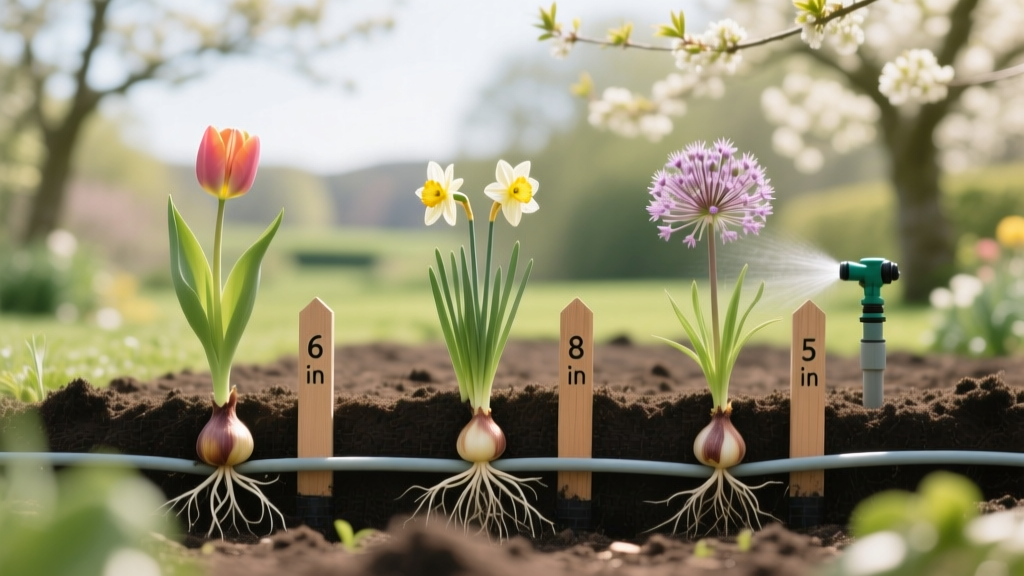
2026 Bulb Planting Depth & Irrigation Guide: Tulips,
The Intersection of Bulb Depth and Precision Irrigation in 2026
Planting a vibrant spring garden requires more than just digging holes and dropping in bulbs; it demands a strategic understanding of how planting depth interacts with soil moisture and irrigation delivery. As we navigate the 2026 gardening season, water conservation regulations and advanced smart irrigation technology have made precision watering more critical than ever. When cultivating a mixed bed of tulips, daffodils, and alliums, gardeners face a unique challenge: each of these spring-blooming bulbs requires a distinct planting depth, which in turn dictates a specific root zone moisture profile. Overhead sprinklers often fail to deliver water evenly across these varying depths, leading to shallow root development, crown rot, or desiccated deep bulbs.
According to the University of Minnesota Extension, proper bulb planting depth is essential for winter survival and spring emergence, but without the right irrigation strategy, even perfectly planted bulbs will fail to thrive. This comprehensive guide explores the exact planting depths for tulips, daffodils, and alliums, and pairs them with the most effective 2026 sprinkler and drip irrigation system configurations to ensure your spring garden is adequately hydrated without wasting a single drop of water.
Spring Bulb Depth & Moisture Requirements: A Comparative Guide
Before configuring your irrigation zones, it is vital to understand the architectural differences between these three popular bulb types. The depth at which a bulb is planted determines where its primary root mass will develop, which dictates the necessary penetration depth of your irrigation water.
| Bulb Type | Planting Depth | Root Zone Target | Recommended Irrigation Method | Watering Frequency (Spring) |
|---|---|---|---|---|
| Tulips | 6 - 8 inches | Shallow to Mid-Soil | Surface Drip Lines (1 GPH emitters) | 2-3 times per week (short duration) |
| Daffodils | 6 - 10 inches | Mid-Soil | Smart Rotary Sprinklers / Drip | 1-2 times per week (medium duration) |
| Alliums | 8 - 12 inches | Deep Soil | Sub-Surface Drip / Deep Soak Sprinklers | 1 time per week (long, deep soak) |
Tulips: Shallow Planting and Crown Rot Prevention
Tulips are generally planted at a depth of 6 to 8 inches, measured from the base of the bulb to the soil surface. Because their root zone is relatively shallow, tulips are highly susceptible to crown rot if the top few inches of soil remain perpetually saturated. In 2026, the best practice for irrigating tulip beds is to abandon traditional spray-head sprinklers, which wet the foliage and the immediate soil surface, creating a breeding ground for fungal pathogens like Botrytis tulipae.
Instead, utilize a 1/2-inch poly drip irrigation mainline with 1 gallon-per-hour (GPH) pressure-compensating emitters spaced 12 inches apart. Lay the drip lines directly over the planting trenches before applying a 2-inch layer of organic mulch. This setup delivers water directly to the shallow root zone while keeping the soil surface and the bulb's neck relatively dry. If you must use an overhead sprinkler system due to landscape constraints, program your smart controller to water tulip zones exclusively in the early morning hours (between 4:00 AM and 6:00 AM) to allow foliage and surface soil to dry completely under the daytime sun.
Daffodils: Mid-Depth Resilience and Smart Sprinkler Zoning
Daffodils (Narcissus) are the workhorses of the spring garden, planted at depths ranging from 6 to 10 inches depending on the cultivar and soil type. They are notably more forgiving of varied moisture levels than tulips and alliums. Their mid-depth root zones benefit from consistent, moderate moisture during their active spring growth phase. Daffodils can be successfully irrigated using modern smart rotary nozzles, which apply water at a slow precipitation rate (typically 0.4 to 0.6 inches per hour), allowing it to percolate deeply into the mid-soil profile without causing surface runoff.
When integrating daffodils into a smart irrigation system, group them on a dedicated valve zone separate from your turfgrass. Turf zones typically require frequent, shallow watering, which will rot daffodil bulbs as they enter their summer dormancy. By utilizing a 2026 smart controller with hyper-local weather forecasting, you can set a custom crop coefficient for the daffodil zone, automatically reducing irrigation frequency by 40% once the foliage begins to yellow and die back in late spring.
Alliums: Deep Planting and Sub-Surface Drip Strategies
Ornamental alliums, prized for their dramatic spherical blooms, require the deepest planting depth of the three—often 8 to 12 inches below the surface. Because they are planted so deeply, standard surface drip lines and quick-burst sprinkler cycles will never deliver sufficient moisture to their root zones. If the water only penetrates the top 4 inches of soil, the allium roots will grow upward in search of moisture, resulting in weak stems and stunted flower stalks.
To properly irrigate deep-planted alliums, you must employ deep-soak irrigation strategies. If using a sprinkler system, utilize high-efficiency rotary sprinklers and program a 'cycle and soak' schedule on your controller. For example, instead of running the zone for 30 continuous minutes, run it for three 10-minute cycles spaced an hour apart. This allows water to infiltrate deeply into heavy clay soils without pooling on the surface. Alternatively, sub-surface drip irrigation (SDI) is the gold standard for alliums in 2026. Burying specialized drip lines 6 to 8 inches below the surface places the water emitters directly adjacent to the allium's deep root mass, maximizing water use efficiency and eliminating surface evaporation.
2026 Smart Irrigation Tech for Mixed Bulb Beds
The irrigation technology landscape in 2026 offers unprecedented control over soil moisture management. Upgrading to a smart irrigation controller, such as the latest models from Rachio or Hunter Hydrawise, is essential for managing the diverse needs of a mixed bulb garden. According to EPA WaterSense, smart controllers utilize real-time evapotranspiration (ET) data and local weather conditions to automatically adjust watering schedules, saving the average home thousands of gallons of water annually.
For the ultimate precision in bulb irrigation, pair your smart controller with wireless soil moisture sensors. Devices like the Meter Teros 12 can be buried at varying depths—say, 6 inches for the tulips and 10 inches for the alliums. These sensors transmit real-time volumetric water content data to your controller. If the 10-inch sensor detects adequate moisture but the 6-inch sensor is dry, a multi-zone smart system can trigger a short, targeted watering cycle specifically for the shallow bulb zone, leaving the deep zone alone. This level of granular control prevents the overwatering that plagues traditional timer-based sprinkler systems.
Step-by-Step: Setting Up Your Mixed Bulb Irrigation Zone
Designing an irrigation system for a bed containing tulips, daffodils, and alliums requires careful planning. Follow these steps to ensure optimal hydration for all three species:
- Step 1: Hydro-Zoning. If possible, plant tulips, daffodils, and alliums in distinct clusters within the bed rather than randomly intermixing them. This allows you to run separate drip laterals or assign different sprinkler heads to specific areas.
- Step 2: Mainline and Emitter Placement. Lay a 1/2-inch drip mainline along the perimeter of the bed. For the tulip cluster, punch in 1 GPH emitters every 12 inches. For the daffodil cluster, use 2 GPH emitters every 18 inches. For the allium cluster, use inline drip tubing with emitters spaced 12 inches apart, and bury the tubing 4 inches deep to encourage downward water percolation.
- Step 3: Pressure Regulation. Drip systems require low pressure to function correctly. Install a 25 PSI pressure regulator at the hose bib or valve manifold to prevent emitter blowouts and ensure even water distribution across the varying depths.
- Step 4: Mulching. Apply a 2-inch layer of shredded hardwood bark over the entire bed. As noted by the Royal Horticultural Society (RHS), mulch is critical for regulating soil temperature and retaining moisture, significantly reducing the irrigation burden on your sprinkler system.
- Step 5: Controller Programming. Set your smart controller to a 'drip' or 'garden bed' zone type. Enable weather intelligence features so the system automatically skips watering if rain is in the forecast, preventing the waterlogged conditions that cause bulb rot.
Seasonal Adjustments and Winterization
Irrigation management for spring bulbs does not end when the flowers bloom. As late spring transitions into early summer, tulips, daffodils, and alliums enter their natural dormancy phase. During this period, their water requirements drop to near zero. It is imperative to manually reduce the irrigation schedule for your bulb zones by 80% to 100% once the foliage begins to senesce. Continuing to water dormant bulbs with your standard summer sprinkler schedule is the leading cause of bulb failure and fungal decay.
Furthermore, as winter approaches in late 2026, ensure your irrigation system is properly winterized. If you are using sub-surface drip lines for your alliums or shallow drip for your tulips, blow out the lines with compressed air to prevent freezing water from cracking the emitters and poly tubing. Proper winterization ensures your irrigation infrastructure is ready to deliver life-saving spring moisture the moment the ground thaws.
Conclusion
Successfully cultivating a mixed bed of tulips, daffodils, and alliums requires respecting their unique architectural needs. By aligning the specific planting depths of each bulb with targeted, modern irrigation strategies, you can create a breathtaking spring display while adhering to 2026 water conservation standards. Whether you are utilizing shallow drip lines for tulips, smart rotary sprinklers for daffodils, or deep-soak cycle scheduling for alliums, the key to success lies in delivering the right amount of water to the exact root zone. Embrace smart irrigation technology, monitor your soil moisture, and watch your spring garden thrive season after season.
