Gardening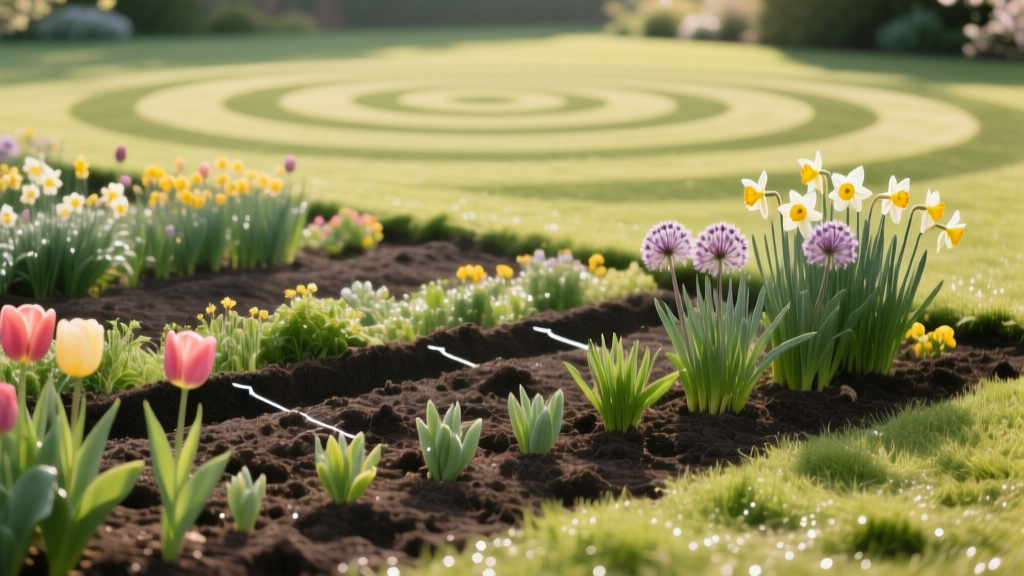
2026 Spring Bulb Depths & Lawn Mowing Patterns Guide
David ParkPublished
Integrating Spring Bulbs into Your 2026 Lawn Care Strategy
As we navigate the 2026 gardening season, the trend of naturalizing spring bulbs directly into turfgrass has reached new heights of popularity. Homeowners are moving away from sterile, monoculture lawns and embracing ecological, textured landscapes that support early-season pollinators. However, merging the wild beauty of naturalized tulips, daffodils, and alliums with the crisp, manicured aesthetics of modern lawn care requires a masterful understanding of two distinct disciplines: precise planting depths and strategic mowing patterns. If you plant too shallow, your mower blades and fall aeration equipment will destroy the bulb crowns. If you mow too early or use the wrong striping patterns, you will starve the bulbs of the photosynthesis they need to return next year.
This comprehensive guide bridges the gap between horticulture and turf management. We will explore the exact 2026 planting depth requirements for three major spring bulbs and reveal the advanced mowing techniques and patterns necessary to maintain a pristine lawn without sacrificing your bulb investment.
The Ultimate Depth Guide: Tulips vs. Daffodils vs. Alliums
According to research from Penn State Extension, the most common cause of bulb failure in naturalized settings is improper planting depth. When planting in a lawn environment, you must account for the aggressive nature of turfgrass roots, potential soil compaction from foot traffic, and the clearance of your mower deck. The general rule of thumb is to plant bulbs at a depth equal to two to three times their vertical height, but lawn-specific conditions require precise adjustments.
Tulips (Tulipa)
Tulips are notoriously finicky when naturalized in grass. In 2026, hybrid tulips are still a staple for vibrant mid-spring color, but they require deep planting to avoid being scalped by low mower settings. Plant tulips at a depth of 6 to 8 inches. This depth ensures the bulb sits well below the primary thatch layer and protects it from core aeration tines, which typically penetrate 3 to 4 inches into the soil.
Daffodils (Narcissus)
Daffodils are the champions of naturalized lawns. They are deer-resistant, multiply readily, and tolerate the slightly acidic environment of turfgrass. Plant daffodils at a depth of 6 to 9 inches. Because daffodil foliage tends to be longer and more unruly than tulip foliage, the extra depth provides a sturdy anchor, preventing the heavy spring rains from knocking the stems over before your scheduled mowing cycles begin.
Alliums (Allium)
Ornamental onions, particularly massive varieties like 'Globemaster', provide stunning architectural height in late spring. Because the bulbs are often larger and more susceptible to rot in moisture-retaining lawn soils, they require a balance of depth and drainage. Plant alliums 4 to 8 inches deep, depending on the bulb size. Ensure the soil is amended with compost to prevent compaction, which can be exacerbated by the heavy rolling patterns of modern zero-turn mowers.
2026 Bulb Planting & Mowing Clearance Data Table
| Bulb Type | Planting Depth | Spacing | Foliage Die-back Time | Min. Mower Deck Clearance | 2026 Avg. Cost Per Bulb |
|---|---|---|---|---|---|
| Tulips (Hybrid) | 6 - 8 inches | 4 - 6 inches | 6 - 8 weeks | 3.0 inches | $1.80 - $2.50 |
| Daffodils | 6 - 9 inches | 6 - 8 inches | 6 - 8 weeks | 3.5 inches | $1.20 - $1.75 |
| Alliums (Large) | 4 - 8 inches | 8 - 12 inches | 4 - 6 weeks | 3.0 inches | $3.50 - $5.00 |
Strategic Mowing Patterns for Bulb Integration
When naturalizing bulbs in turf, traditional parallel striping patterns are your enemy. Running a mower back and forth across a naturalized bulb bed compacts the soil and shreds the delicate foliage before it has finished storing energy. To solve this, landscape architects in 2026 are utilizing 'Exclusion Zone Mowing Patterns' to maintain visual order while protecting the plants.
The Perimeter Frame Pattern
Instead of mowing the entire lawn, create a crisp, 8-to-10-foot wide 'frame' around the outer edges of your property. Mow this perimeter in a tight checkerboard or diagonal stripe pattern using a striping kit. The center of the lawn, where your daffodils and alliums are naturalized, is left entirely uncut until early summer. This creates a stunning contrast between the manicured border and the wild, meadow-like center, drawing the eye directly to the spring blooms.
The Concentric Ripple Pattern
If your bulbs are planted in scattered drifts rather than a centralized meadow, use the concentric ripple pattern. Mow in wide, sweeping circles around the perimeter of the lawn, gradually working inward. When you approach a drift of blooming tulips, smoothly curve your mowing lines around the cluster, creating a 'moat' of short grass that highlights the bulb bed like an island. This technique requires a zero-turn mower with excellent maneuverability to avoid tight, tearing turns that could uproot shallow alliums.
Managing the Foliage Die-Back Phase
The most critical rule of naturalizing bulbs, as emphasized by the Royal Horticultural Society (RHS), is that you must not mow the grass for at least six weeks after the bulbs have finished flowering. The foliage must be allowed to yellow and die back naturally to complete the photosynthetic cycle. In a traditional lawn, six weeks of uncut, yellowing grass is an aesthetic nightmare.
To mitigate this in 2026, gardeners are employing 'Camouflage Planting' alongside their mowing patterns. By interplanting your spring bulbs with late-emerging perennials or fast-growing clover mixes, the dying bulb foliage is hidden. Furthermore, by raising your mower deck to the highest recommended setting for your grass type—typically 3.5 to 4.0 inches for cool-season fescues, as noted by the University of Minnesota Extension—you can carefully mow the very tips of the turfgrass to maintain a semblance of order without severing the bulb leaves near the crown.
Robotic Mowers and Bulb Safety in 2026
The integration of RTK GPS technology into robotic mowers has revolutionized how we care for naturalized lawns. In 2026, models like the Husqvarna Automower NERA series and the Worx Landroid Vision utilize satellite positioning and AI cameras to navigate lawns without the need for physical boundary wires. Physical boundary wires are a major hazard for bulb beds, as the installation process requires trenching or staking that can easily pierce and destroy dormant tulips and alliums.
With GPS-enabled mowers, you can use the companion app to draw precise 'virtual exclusion zones' around your bulb drifts. As the seasons progress and the bulbs finish their six-week die-back period, you can simply shrink or erase the exclusion zone with a swipe on your smartphone, allowing the robot to resume its systematic mowing pattern over the area. This dynamic approach to mowing patterns ensures that your lawn remains perfectly manicured in the non-bulb zones while providing zero-disturbance protection to the naturalized beds during their most vulnerable growth phases.
Fall Aeration and Winter Preparation
Your mowing and lawn care strategy must also account for fall maintenance. Core aeration is essential for healthy turfgrass, but it is a leading cause of mechanical damage to naturalized bulbs. If you are naturalizing alliums, which are planted slightly shallower, schedule your core aeration for late summer, before the bulbs are planted, or use a liquid aeration alternative in the fall. When top-dressing your lawn in late autumn, apply no more than a quarter-inch of compost over the bulb zones to prevent smothering the emerging spring shoots.
Conclusion
Successfully blending the structured art of lawn mowing patterns with the organic beauty of naturalized spring bulbs requires planning, patience, and precision. By adhering to the strict 6-to-9-inch planting depths for tulips and daffodils, utilizing strategic perimeter and island mowing patterns, and leveraging 2026 smart mower exclusion zones, you can achieve a landscape that is both ecologically vibrant and aesthetically immaculate. Respect the six-week foliage rule, adjust your deck heights accordingly, and watch your lawn transform into a dynamic, seasonal masterpiece.
