Gardening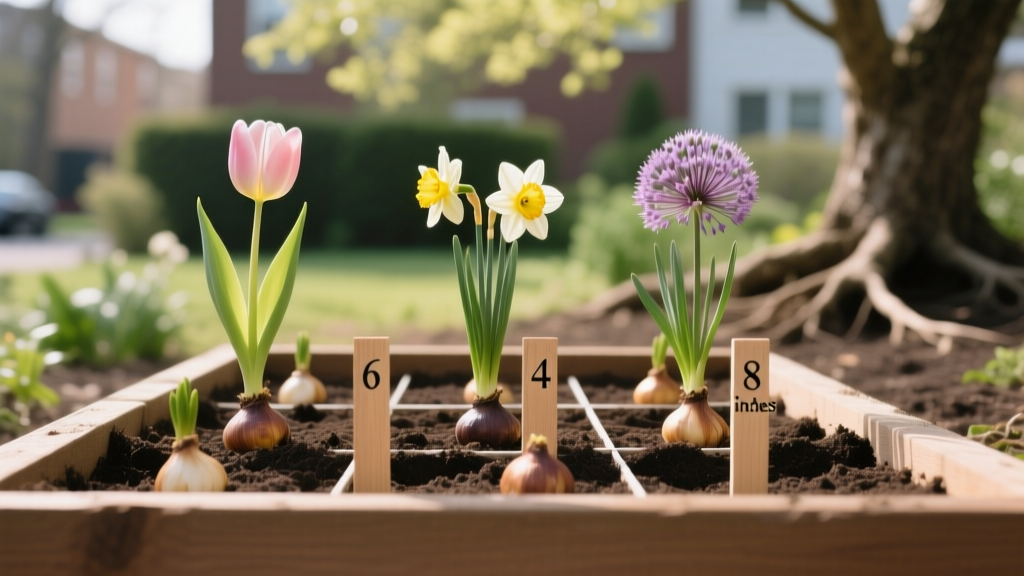
Spring Bulb Planting 2026: Tulip, Daffodil & Allium Depth Guide
Sarah ChenPublished
Integrating Spring Bulbs into Tree Landscapes
As we navigate the 2026 gardening season, landscape design continues to evolve toward multi-layered, ecologically rich environments. One of the most rewarding techniques in modern landscape architecture is integrating spring-blooming bulbs into the understory of carefully selected landscape trees. Rather than treating tree beds as empty mulch rings, savvy gardeners are utilizing the dormant spring window to create vibrant, vertical displays beneath bare canopies. This guide focuses on the precise planting depths and spatial requirements for three of the most popular spring bulbs—tulips, daffodils, and alliums—specifically tailored for integration into tree selection and planting zones.
When selecting trees for your landscape, it is crucial to consider the light requirements of your desired understory plants. Deciduous trees such as Ginkgo biloba, Acer rubrum (Red Maple), and Quercus species (Oaks) are ideal candidates for bulb integration. Because these trees leaf out later in the spring, they allow the necessary sunlight to reach the forest floor, powering the photosynthesis required for bulbs to complete their life cycle and store energy for the following year. According to the Royal Horticultural Society, planting bulbs under deciduous trees mimics their natural woodland habitats, promoting healthier growth and better naturalization.
The Mathematics of Bulb Planting Depth
The foundational principle of bulb planting remains consistent, yet it is frequently misunderstood. The general rule of thumb is to plant a bulb at a depth equal to three times its vertical height. However, when planting in the competitive root zones of established trees, soil density and moisture retention can alter this formula. In 2026, horticulturalists recommend erring on the side of slightly deeper planting in tree beds to protect the bulbs from the frost heave that can occur in shallow, root-dense topsoil. Proper depth ensures the developing root system of the bulb can anchor itself without directly competing with the fine, fibrous feeder roots of the overstory tree.
Tulips (Tulipa): Depth, Spacing, and Tree Companions
Tulips are the quintessential spring bloomers, offering a massive range of colors and forms. For standard Darwin Hybrid and Triumph tulips, which typically measure about 2 to 2.5 inches in height, the ideal planting depth is 6 to 8 inches from the base of the bulb to the soil surface. Spacing should be maintained at 4 to 6 inches apart to create a dense, unified color block beneath the tree canopy.
When planting tulips in tree beds, avoid placing them directly against the trunk where the soil is often too dry and root competition is fiercest. Instead, focus on the drip line and the area just beyond it. Deep-rooted trees like Oaks and Ginkgos are the best companions for tulips, as their primary root structures dive deep into the soil profile, leaving the upper 8 inches of topsoil relatively free for tulip root development. Note that tulips are highly attractive to voles and squirrels; if your tree bed has a history of rodent activity, consider lining the planting hole with hardware cloth or opting for more resistant species.
Daffodils (Narcissus): Depth, Spacing, and Naturalizing
Daffodils are the workhorses of the spring garden. Unlike tulips, daffodils contain toxic alkaloids that make them unpalatable to deer, rabbits, and burrowing rodents, making them the ultimate choice for vulnerable tree-bed environments. A standard daffodil bulb is roughly 2.5 to 3 inches tall, dictating a planting depth of 7 to 9 inches. Spacing should be generous—about 6 to 12 inches apart—because daffodils are prolific multipliers and will naturalize over time, forming expansive drifts beneath trees like River Birch or Dogwood.
As noted by Penn State Extension, allowing daffodil foliage to die back naturally is critical for the bulb to complete its energy storage cycle. In a tree landscape, this is easily managed because the emerging canopy of the tree will eventually shade and hide the senescing bulb foliage just as it begins to look untidy. Plant daffodils in informal, sweeping clusters rather than rigid grids to achieve a naturalized, woodland aesthetic.
Alliums: Depth, Spacing, and Architectural Interest
Ornamental alliums bridge the gap between the spring bulb season and early summer perennials. Their towering, spherical blooms provide striking architectural interest that contrasts beautifully with the delicate, emerging foliage of ornamental trees like Japanese Maples or Redbuds. Allium bulbs vary wildly in size. Smaller varieties like Allium christophii require a depth of about 4 to 5 inches, while giants like Allium 'Globemaster' demand a depth of 8 to 10 inches.
Spacing for alliums should be 8 to 12 inches apart. Because their foliage tends to wither early, it is best to plant alliums behind early-emerging perennials or hostas within the tree bed, which will mask the dying leaves while the spectacular flower stalks rise above the rest of the garden. The University of Minnesota Extension highlights that alliums require exceptionally well-drained soil; if your tree bed is situated in a heavy clay depression, you must amend the planting hole with coarse sand and compost to prevent bulb rot.
Comparison Chart: Tulip vs. Daffodil vs. Allium
| Bulb Type | Planting Depth | Spacing | Bloom Time | Best Tree Companion | Vole Resistance |
|---|---|---|---|---|---|
| Tulip (Darwin Hybrid) | 6 - 8 inches | 4 - 6 inches | Mid-Spring | Oaks, Ginkgo | Low |
| Daffodil (Standard) | 7 - 9 inches | 6 - 12 inches | Early to Mid-Spring | Birch, Dogwood, Maple | High |
| Allium (Globemaster) | 8 - 10 inches | 8 - 12 inches | Late Spring | Japanese Maple, Redbud | High |
| Allium (Christophii) | 4 - 5 inches | 6 - 8 inches | Late Spring | Serviceberry, Magnolia | High |
Soil Preparation and Root Protection in Tree Zones
Planting in an established tree bed requires a delicate touch to avoid severing the tree's vital feeder roots. In 2026, the use of pneumatic air-spades or gentle, hand-dug test holes is highly recommended over aggressive rototilling, which can devastate a tree's shallow root network and invite fatal pathogens like Armillaria root rot.
Begin by mapping out the drip line of the tree. The majority of a tree's water-absorbing roots are located in the top 12 inches of soil, extending from the trunk outward past the drip line. When digging your bulb holes, use a narrow trowel or a specialized bulb planter to extract a core of soil. If you encounter a tree root thicker than a pencil, do not cut it. Simply backfill the hole, move a few inches to the left or right, and try again. Once the bulb is placed at the correct depth, backfill with a mixture of native soil and high-quality organic compost. Incorporating a mycorrhizal inoculant into the backfill can be highly beneficial, as it establishes a symbiotic relationship that aids both the newly planted bulb and the existing tree roots in nutrient uptake.
Step-by-Step Planting Guide Under Deciduous Trees
- Timing is Everything: Wait until the soil temperature drops below 55°F (13°C). In most temperate zones, this occurs between late October and late November. Planting too early in warm soil can trigger premature top growth that will be killed by winter frosts.
- Site Selection: Identify pockets of sunlight beneath the deciduous canopy. Avoid low-lying areas where water pools after heavy rains, as sitting water will rot tulip and allium bulbs.
- Excavation: Dig individual holes or a wider trench, respecting the 3x depth rule. Keep the native soil on a tarp to make backfilling easier and to protect the surrounding lawn or groundcover.
- Nutrient Amendment: Place a small handful of a slow-release, low-nitrogen bulb fertilizer (such as a 4-10-6 NPK ratio) at the bottom of the hole. Bone meal is a traditional choice, but modern horticultural blends often include essential micronutrients and bio-stimulants tailored for 2026 soil profiles.
- Placement: Set the bulbs in the hole with the pointed growing tip facing upward. If you are planting daffodils or alliums and the orientation is unclear, plant them on their sides; the stem will naturally orient toward gravity and light.
- Backfill and Mulch: Cover the bulbs with the amended soil, tamping down gently to remove large air pockets. Apply a 2-inch layer of organic mulch, such as shredded hardwood or pine bark, over the bed. This regulates soil temperature, retains moisture, and prevents weed seeds from germinating in the early spring.
- Watering: Give the newly planted bed a deep, thorough watering to settle the soil and initiate the root growth process before the ground freezes solid for the winter.
By carefully considering the interplay between your overstory tree selections and your understory bulb plantings, you can create a dynamic, multi-season landscape that maximizes every square inch of your garden. Whether you are naturalizing daffodils beneath a woodland edge or framing a Japanese Maple with towering alliums, proper depth and spatial awareness are the keys to a spectacular spring display.
