Gardening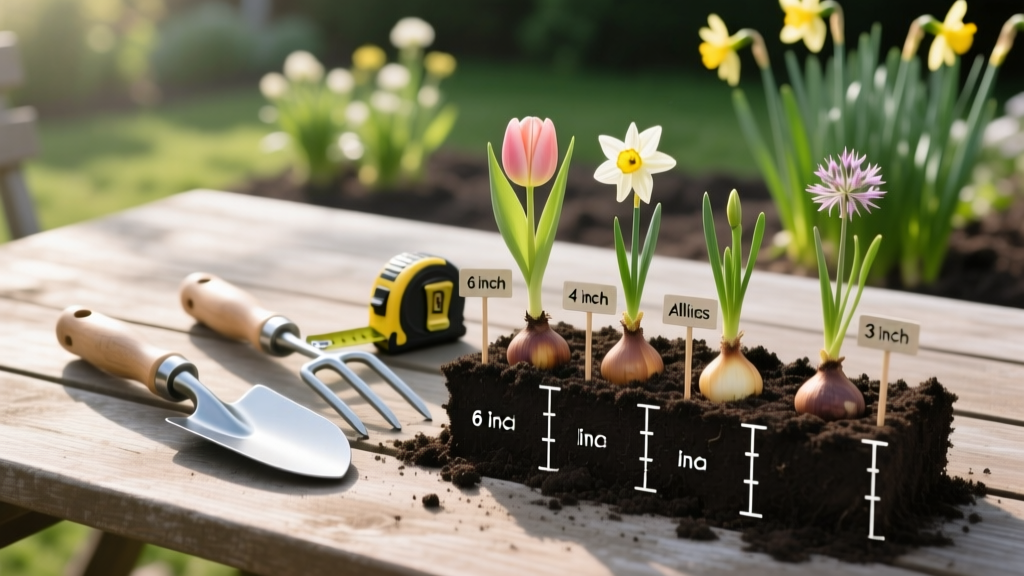
2026 Spring Bulb Depth Guide: Tulips, Daffodils & Alliums
David ParkPublished
The Pest Management Approach to Spring Bulbs
As a specialist in tree web worm control and arboreal pest management, I spend my days analyzing canopy health, tracking the life cycles of fall webworms (Hyphantria cunea), and ensuring that landscapes remain free of destructive insects. However, when autumn arrives and the soil cools, my pest-management mindset shifts from the tree canopy to the garden bed. Planting spring bulbs like tulips, daffodils, and alliums is not merely an exercise in landscape aesthetics; it is a critical operation in soil ecology and pest deterrence. As we prepare for the 2026 growing season, understanding the precise planting depths for these three distinct bulb families is your first line of defense against frost heave, fungal pathogens, and foraging rodents.
In pest control, we operate by a simple rule: environmental stress invites infestation. A bulb planted at the wrong depth is a stressed bulb. It becomes highly susceptible to bulb rot, nematode damage, and the attention of hungry voles and squirrels. By applying the same meticulous, science-backed precision we use in integrated pest management (IPM) to our bulb planting strategy, we can guarantee a vibrant, resilient spring display. Below is the definitive 2026 guide to mastering the depths and spacing of tulips, daffodils, and alliums, viewed through the lens of long-term garden health and sanitation.
Why Depth is Your First Line of Defense
Before we dig into the specific measurements for each variety, it is vital to understand why depth matters from a pest and disease perspective. According to the University of Minnesota Extension, proper planting depth ensures that bulbs are insulated from extreme winter temperature fluctuations. If planted too shallow, the bulbs are vulnerable to frost heave, which pushes them to the surface where they freeze and become easy targets for foraging wildlife. If planted too deep, the emerging shoots may exhaust their energy reserves before reaching the sunlight, leading to stunted growth that attracts secondary fungal pathogens like Botrytis tulipae (tulip fire).
Furthermore, in my line of work, garden sanitation is paramount. Shallowly planted bulbs often fail to establish robust root systems, leaving decaying organic matter in the upper soil profile. This decaying matter acts as a magnet for fungus gnats and bulb mites. By adhering to strict depth guidelines, you ensure vigorous root establishment, leaving no organic waste behind for pests to exploit.
Tulips (Tulipa): Precision Depth for Fleeting Beauties
Tulips are the undisputed queens of the spring garden, but they are also the most temperamental. From a pest management perspective, tulips are essentially candy for squirrels and voles. To protect them, we must plant them deeply enough to hide their scent and physical presence from surface-dwelling foragers.
The 2026 Tulip Depth Standard
For standard hybrid tulips (such as Darwin or Triumph varieties), the golden rule for 2026 remains planting the base of the bulb at a depth of 6 to 8 inches below the soil surface. This measurement is taken from the bottom of the bulb to the top of the soil. If you are working in exceptionally sandy soil, which drains rapidly and offers less insulation, aim for the deeper end of that spectrum (8 inches). In heavy clay soils, stick to 6 inches to prevent waterlogging and subsequent rot.
Spacing: Plant tulips 4 to 6 inches apart. Crowding them restricts airflow, creating a humid microclimate that encourages fungal diseases.
Pest Deterrence Tip: Never use traditional bone meal when planting tulips. While older gardening guides often recommend it, modern wildlife has learned to associate the scent of bone meal with a buried treasure. Instead, use a 2026-certified organic, slow-release mycorrhizal bulb fertilizer that promotes root growth without broadcasting a scent to local rodents.
Daffodils (Narcissus): Deep-Planted Resilience
Daffodils are the workhorses of the spring landscape. Unlike tulips, they contain toxic alkaloids (specifically lycorine) that make them highly unpalatable to deer, rabbits, and most rodents. Because they are naturally pest-resistant, our primary concern with daffodils is longevity and naturalization. We want these bulbs to multiply and thrive for decades without becoming overcrowded, which can lead to diminished blooms and increased vulnerability to basal rot.
The 2026 Daffodil Depth Standard
Daffodils prefer to be planted slightly deeper than tulips to accommodate their robust, contractile roots that pull the bulb downward over time. The Penn State Extension recommends planting daffodils at a depth of 6 to 9 inches, depending on the size of the bulb. A good rule of thumb is to plant the bulb at a depth equal to three times its vertical height.
Spacing: Space daffodils 6 to 9 inches apart. Because they naturalize and produce offsets, giving them ample room from the start delays the need for division and maintains vigorous airflow.
Sanitation Note: While daffodils resist animal pests, they are not immune to the narcissus bulb fly. To prevent infestations, ensure that the soil is well-draining and avoid damaging the bulb's tunic (the papery outer skin) during planting. Any physical damage to the tunic provides an entry point for the fly's larvae.
Alliums: Sizing Up the Architectural Giants
Ornamental alliums bridge the gap between spring and summer, providing striking architectural spheres that tower above the garden bed. As members of the onion family, their strong scent naturally repels many insect pests, including aphids and certain beetles. However, their large size and shallow root systems require specific planting techniques to prevent them from toppling over in high winds or falling victim to burrowing voles.
The 2026 Allium Depth Standard
Allium planting depth varies drastically based on the specific cultivar. For giant varieties like 'Globemaster' or 'Mount Everest', which can produce bulbs the size of softballs, you must dig down to a depth of 8 to 10 inches. For smaller, mid-sized alliums like 'Purple Sensation', a depth of 5 to 6 inches is ideal. The universal multiplier rule applies here: plant at a depth three times the diameter of the bulb.
Spacing: Large alliums require 8 to 12 inches of spacing, while smaller varieties can be planted 4 to 6 inches apart.
The Web Worm Connection: Alliums thrive in full sun and require excellent drainage. If you are planting alliums near deciduous trees that suffered from fall web worm infestations the previous season, it is critical to thoroughly rake and remove all fallen webbing, frass, and defoliated debris from the planting bed. Web worm debris alters the soil pH and harbors overwintering fungal spores that can cause neck rot in alliums. As a pest control professional, I cannot stress enough how important autumn canopy sanitation is to the success of your spring bulb beds.
2026 Bulb Planting Comparison Chart
To streamline your autumn planting schedule, refer to this structured comparison chart. Keep these metrics handy when preparing your garden beds for the 2026 season.
| Bulb Type | Planting Depth | Spacing | Pest Vulnerability | Bloom Window |
|---|---|---|---|---|
| Tulips | 6 - 8 inches | 4 - 6 inches | High (Rodents, Voles) | Mid to Late Spring |
| Daffodils | 6 - 9 inches | 6 - 9 inches | Low (Toxic to mammals) | Early to Mid Spring |
| Giant Alliums | 8 - 10 inches | 8 - 12 inches | Low (Repels insects) | Late Spring to Early Summer |
| Mini Alliums | 4 - 5 inches | 3 - 4 inches | Moderate (Bulb mites) | Mid Spring |
Garden Sanitation: The Web Worm Connection
It may seem unusual to discuss tree pests in a guide about flower bulbs, but landscape ecology is deeply interconnected. Fall webworms create unsightly silk tents in the branches of pecan, cherry, and persimmon trees in late summer. By autumn, these webs fall to the ground, bringing with them a massive accumulation of insect frass (excrement) and partially decomposed leaves.
If you plant your expensive tulip and allium bulbs directly into beds layered with this debris, you are introducing a host of problems. The decaying matter creates a soggy, anaerobic environment that promotes Fusarium and Pythium bulb rots. Furthermore, the debris provides a warm, protected overwintering habitat for slugs and snails, which will emerge in the spring to decimate your newly sprouted bulb foliage. Before a single trowel breaks the soil, perform a thorough sanitation sweep. Rake away all tree debris, compost it in a hot, managed pile (not directly on the garden bed), and expose the soil to the sterilizing effects of late autumn sunlight.
Modern Soil Prep & Fertilizer Strategies
The days of tossing a handful of generic chemical fertilizer into the planting hole are behind us. In 2026, the focus is on building a living soil microbiome that supports the bulb while naturally suppressing soil-borne pathogens.
- Drainage is Non-Negotiable: If your soil is heavy clay, amend the planting zone with a 50/50 mix of native soil and coarse horticultural sand or expanded shale. Never use pure peat moss, as it retains too much moisture and increases rot risk.
- Mycorrhizal Inoculants: Dust your bulbs with an endomycorrhizal inoculant powder right before planting. This beneficial fungus forms a symbiotic relationship with the bulb's roots, expanding their nutrient-gathering reach and creating a physical barrier against harmful nematodes.
- Top-Dressing for Winter: After planting and watering deeply, apply a 2-inch layer of shredded hardwood mulch. Avoid using straw or hay, which often harbor weed seeds and provide nesting material for the very rodents you are trying to deter. Hardwood mulch regulates soil temperature, preventing the frost heave that pushes shallow-planted bulbs to the surface.
By treating your spring bulb planting with the same rigorous, analytical approach we use in professional pest management, you ensure that your garden is not just beautiful, but ecologically sound and resilient. Whether you are burying toxic daffodils to naturalize a woodland edge, or carefully spacing giant alliums to create a modern architectural display, respecting the depth requirements is the foundation of a thriving 2026 landscape.
