Gardening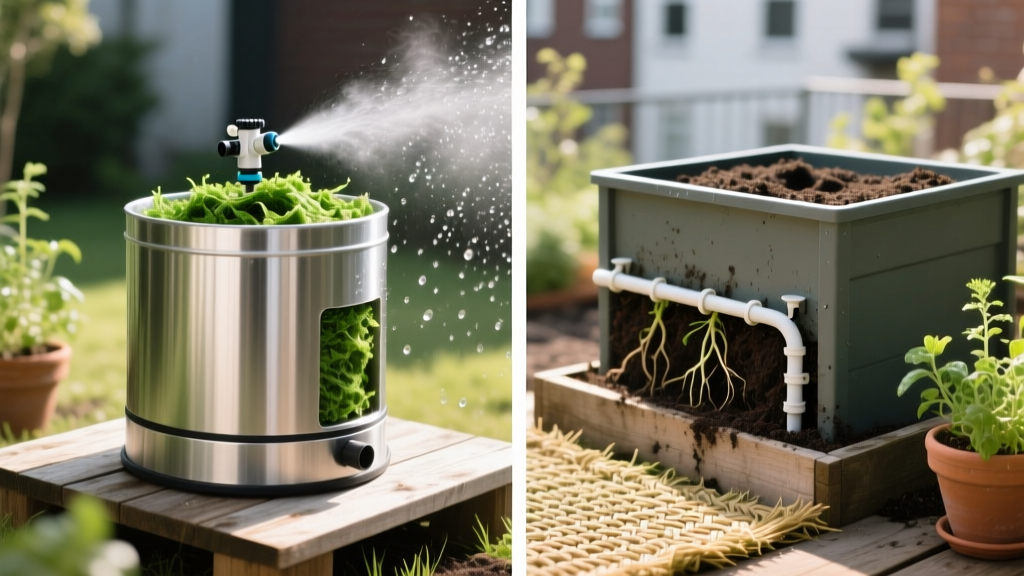
Tumbling vs Stationary Compost Irrigation Setup 2026
Anna KowalskiPublished
The Intersection of Composting and Smart Irrigation in 2026
As we move through 2026, the integration of smart home technology and sustainable gardening practices has reached new heights. For home gardeners and lawn care enthusiasts, composting remains one of the most effective ways to build soil health, reduce waste, and improve water retention in garden beds. However, the success of any compost pile hinges on one critical, often overlooked factor: moisture management. According to EPA's composting guidelines, a healthy compost pile requires a moisture content of 40% to 60%. Too dry, and microbial activity halts; too wet, and the pile goes anaerobic, producing foul odors and slowing decomposition.
While many gardeners rely on a garden hose and guesswork, modern irrigation systems offer a precise, automated solution. But how do you integrate sprinkler and drip irrigation systems with your compost setup? The approach varies drastically depending on whether you are using a stationary compost pile or an enclosed tumbling composter. In this guide, we will break down the tumbling vs. stationary compost bin setup from an irrigation perspective, helping you automate moisture management for maximum efficiency and yield.
The Stationary Pile Method: Integrating Drip and Micro-Sprinklers
Stationary compost bins—whether they are open bays built from wooden pallets or enclosed plastic tumblers like the SoilSaver Classic—offer the easiest integration with traditional landscape irrigation systems. Because the pile remains fixed in one location, you can easily dedicate a specific irrigation zone on your smart controller to manage its moisture levels.
Drip Irrigation Integration
The most water-efficient method for irrigating a stationary compost pile is using inline drip tubing. Products like the 2026 Netafim Techline CV feature built-in check valves that prevent backflow and soil suction, making them ideal for burying directly inside the compost layers. As you build your stationary pile, you can weave a coil of 1/4-inch drip tubing every 6 to 8 inches vertically. By connecting this to a dedicated valve on your smart controller, you can deliver water directly to the core of the pile where thermophilic bacteria generate the most heat and require the most consistent moisture.
Micro-Sprinkler Overhead Systems
If you maintain a larger, open-air stationary compost bay (typically 3x3 feet or larger), overhead micro-sprinklers are highly effective. Mounting a DIG Corp 360-degree micro-sprayer on a 2-foot riser directly above the pile ensures even distribution across the top layer. When paired with a smart controller like the Rachio 4 or Hunter Pro-HC, the system can automatically adjust watering times based on local evapotranspiration (ET) rates and hyper-local weather forecasts, ensuring your pile never dries out during a summer heatwave.
Tumbling Composters: Enclosed Moisture Challenges
Tumbling composters, such as the popular Mantis Twin or FCMP Dual-Axis models, are fantastic for speeding up decomposition through easy aeration. However, from an irrigation standpoint, they present a unique challenge. Because the drum rotates, you cannot run permanent drip lines or hard-piped sprinklers into the chamber.
Manual vs. Automated Misting
Most tumbler users rely on manual watering—adding a few gallons from a watering can or hose every time they add fresh kitchen scraps. While this works, it is inconsistent and labor-intensive. For the tech-savvy gardener in 2026, automated misting systems are the solution. You can install a high-pressure misting nozzle on a nearby fence or post, aimed directly at the tumbler's loading door. By programming your smart controller to run a 30-second misting burst immediately after your designated 'tumbling schedule' (or using a smart switch triggered when the door is opened), you can introduce a fine fog that coats the materials without waterlogging them.
Catchment and Drainage Management
Unlike stationary piles that leach nutrients directly into the underlying soil, tumblers are elevated and enclosed. Overwatering a tumbler leads to a soggy, anaerobic mess that drains out of the ventilation holes, potentially staining your patio or deck. When setting up an irrigation strategy for a tumbler, it is vital to use low-volume misting heads (0.5 to 1 GPM) rather than standard sprinkler heads, and to place a catchment tray lined with dry carbon material (like shredded leaves) beneath the unit to absorb any excess leachate.
2026 Smart Irrigation Tech for Compost Zones
The Irrigation Association notes that smart irrigation adoption has surged, with soil moisture sensors becoming a standard for specialized garden zones. Here is how to leverage 2026 technology for your compost:
- Wireless Soil Moisture Probes: Devices like the SoilSense wireless probe can be buried deep within a stationary compost pile. These probes transmit real-time volumetric water content (VWC) data to your smart hub, triggering your drip valve only when the pile's moisture drops below 45%.
- Weather-Based Adjustments: Smart controllers now utilize hyper-local micro-climate data. If a dry, windy front is moving in, the system will automatically increase the irrigation duration for your open-air compost bays to compensate for increased surface evaporation.
- Flow Meters and Leak Detection: Modern smart valves feature built-in flow meters. If a drip line snaps inside your compost pile due to shifting materials or settling, the controller will detect the abnormal flow rate and automatically shut off the zone, saving water and preventing a waterlogged pile.
Comparison Chart: Tumbling vs. Stationary Irrigation Setup
| Feature | Stationary Pile (Irrigated) | Tumbling Bin |
|---|---|---|
| Primary Irrigation Method | Inline drip tubing or overhead micro-sprinklers | Manual hose watering or external automated misting |
| Automation Level | High (Fully integrated with smart controllers) | Low to Medium (Requires external workarounds) |
| Moisture Consistency | Excellent (Water delivered to the core) | Variable (Often dry in the center, wet on edges) |
| Setup Cost (2026 Est.) | $45 - $120 (Drip lines, risers, smart valve) | $15 - $60 (Misting nozzle, timer, catchment tray) |
| Water Efficiency | Very High (Minimal evaporation loss) | Moderate (High evaporation during manual watering) |
| Best For | Large volumes, continuous feeding, set-and-forget | Small spaces, batch composting, urban patios |
Step-by-Step: Setting Up a Stationary Compost Irrigation Zone
If you are ready to automate your stationary compost pile, follow this actionable guide to integrate it into your existing sprinkler system.
Step 1: Allocate a Dedicated Valve Zone
Never put your compost pile on the same irrigation zone as your lawn or raised vegetable beds. Compost requires frequent, short bursts of water to maintain internal moisture without waterlogging, whereas lawns prefer deep, infrequent soakings. Install a separate anti-siphon or inline valve dedicated solely to the compost area.
Step 2: Layout the Drip Grid
Using 1/2-inch poly tubing as your mainline, run it to the base of the compost bin. Transition to 1/4-inch tubing with inline emitters spaced every 6 inches. As you add layers of brown and green materials, coil the drip line in a spiral pattern. According to Texas A&M AgriLife Extension, layering moisture evenly throughout the pile is critical for uniform decomposition. Cap the end of the tubing and secure it with a figure-8 clamp.
Step 3: Install a Moisture Sensor
Push a wireless soil moisture probe into the exact center of the pile. The core is where the most microbial activity occurs and where temperatures can reach 140°F to 160°F. Connect the sensor to your smart irrigation hub and set the trigger threshold to 45% moisture.
Step 4: Program the Smart Controller
Set the zone to run for 3 to 5 minutes at a time, up to three times a day during peak summer heat, or let the moisture sensor dictate the schedule. Enable 'seasonal adjust' features on your controller so the system automatically scales back watering during cool, wet autumn months.
Conclusion
Whether you prefer the low-maintenance, high-volume approach of a stationary pile or the space-saving convenience of a tumbling composter, proper moisture management is the key to producing rich, dark humus. By leveraging 2026 smart irrigation technology, drip lines, and micro-sprinklers, you can take the guesswork out of composting. Not only will you speed up the decomposition process and eliminate foul odors, but you will also conserve water by delivering it exactly where the microbes need it most. Evaluate your space, choose the right irrigation integration method, and let your smart system do the heavy lifting this season.
