Pest Control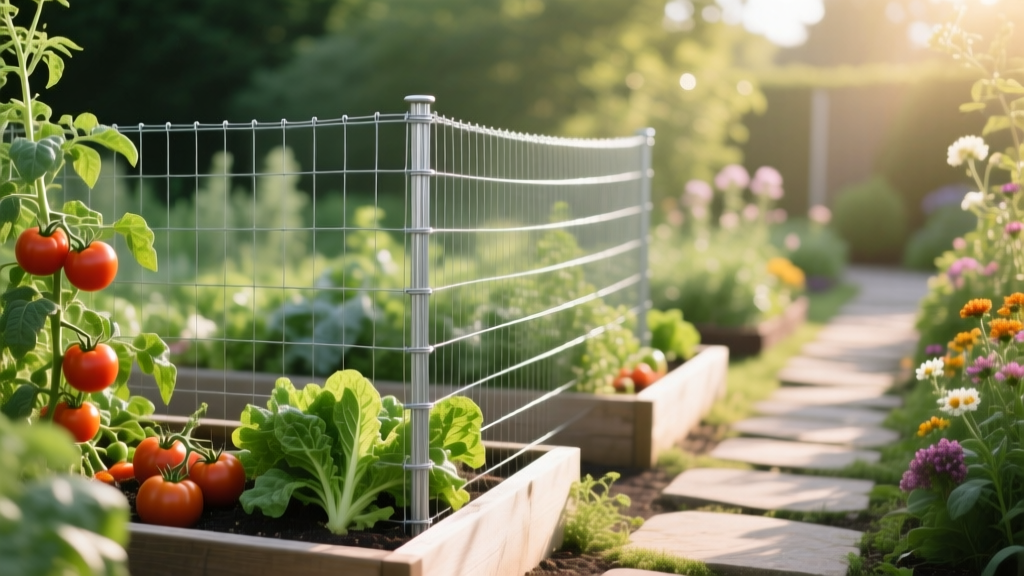
Rabbit Exclusion 2026: 2-Foot Chicken Wire Fence for Foodscaping
Robert HayesPublished
The Rise of Foodscaping and the Rabbit Threat in 2026
As we move through 2026, the trend of edible landscaping—often referred to as foodscaping—has transitioned from a niche gardening hobby to a mainstream landscape design philosophy. Homeowners are increasingly replacing sterile ornamental shrubs with productive, beautiful alternatives like Swiss chard, blueberry hedges, artichokes, and perennial herbs. However, integrating tender, nutrient-dense edibles into your front or backyard landscape sends an unmistakable signal to local wildlife: the buffet is open. Among the most prolific and frustrating pests in the foodscape is the Eastern cottontail rabbit.
Rabbits are notorious for their clean, 45-degree angled cuts on young stems, often decimating a season's worth of brassicas, lettuce, and newly planted berry canes overnight. While integrated pest management (IPM) encourages coexistence with wildlife, protecting your food supply requires physical barriers. For the modern foodscape, a properly installed 2-foot chicken wire fence remains the undisputed gold standard for rabbit exclusion. It is cost-effective, highly durable, and, when integrated thoughtfully, can be camouflaged seamlessly into your edible landscape design.
Understanding Rabbit Behavior in the Edible Landscape
Before breaking ground on your fence line, it is vital to understand how rabbits interact with garden spaces. According to the UC Agriculture and Natural Resources (UC ANR), cottontail rabbits rarely dig deep, extensive burrows in cultivated garden beds. Instead, they rely on surface-level cover, brushing, and shallow depressions. This behavioral trait dictates our fencing strategy.
Rabbits are exceptional at squeezing through small gaps and will readily dig shallow trenches under a barrier if they smell ripening vegetables on the other side. Therefore, simply staking a 2-foot roll of wire above ground is insufficient. A successful 2026 rabbit exclusion strategy requires an 'L-footer' design, where the bottom of the chicken wire is bent outward and buried or pinned flat against the soil to thwart their digging instincts. Furthermore, while rabbits can jump, they generally will not clear a 2-foot vertical barrier if they feel exposed, making a 24-inch tall fence the perfect balance of material economy and pest deterrence.
Materials and 2026 Cost Breakdown
Sourcing the right materials is critical for longevity. In 2026, galvanized steel prices have stabilized, making traditional galvanized chicken wire (hexagonal netting) an economical choice. Avoid vinyl-coated options if you plan to use the fence as a trellis for vining edibles, as the friction from plant tendrils and pruning tools can strip the coating, leading to premature rusting.
Below is a comprehensive breakdown of the materials required for a standard 50-foot linear installation, along with estimated 2026 retail pricing.
| Material | Specification | Estimated 2026 Cost | Purpose in Exclusion |
|---|---|---|---|
| Galvanized Chicken Wire | 24' tall, 1-inch mesh, 20-gauge | $45 - $65 per 50ft roll | Primary vertical and apron barrier |
| Metal T-Posts or U-Posts | 5-foot length, galvanized | $8 - $12 each (need 8-10) | Structural support and tensioning |
| Landscape Staples | 6-inch heavy-duty steel U-pins | $18 per 50-pack | Anchoring the L-footer apron to soil |
| Hog Rings and Pliers | Galvanized steel | $22 per kit | Securing wire tightly to metal posts |
| Wire Cutters / Aviation Snips | Heavy-duty, forged steel | $25 - $40 | Cutting mesh and shaping the L-footer |
Note: Always wear heavy leather gloves when handling and cutting chicken wire, as the cut ends are exceptionally sharp and can easily cause lacerations.
Step-by-Step Installation for Maximum Exclusion
Installing a rabbit-proof fence in a foodscape requires precision. Follow these steps to ensure your edible garden remains impenetrable to cottontails and other small foragers.
Step 1: Planning and Clearing the Perimeter
Map out the perimeter of your edible beds. Keep the fence at least 12 to 18 inches away from the outermost plants. This buffer zone prevents rabbits from standing on the outside of the fence and stretching over to nibble on leaves, and it provides you with a walkway for maintenance and harvesting.
Step 2: Creating the L-Footer Apron
This is the most critical step for rabbit exclusion. Unroll your 24-inch chicken wire on a flat surface like a driveway. Using your wire cutters, snip the horizontal wire at the bottom edge every 6 inches to create 6-inch long 'tabs' or simply bend the bottom 6 to 12 inches of the wire at a strict 90-degree angle. When installed, the fence will stand 18 to 24 inches tall, with the L-shaped apron facing outward (away from the garden) resting on or just under the soil.
Step 3: Setting the Posts
Drive your 5-foot metal T-posts into the ground using a post pounder. Space them no more than 6 to 8 feet apart. Ensure the posts are plumb and that the studs or hooks on the T-posts are facing the outside of the garden. This allows you to press the wire into the hooks, keeping the tension secure.
Step 4: Attaching the Wire and Securing the Apron
Unroll the pre-bent chicken wire along the post line. Attach the vertical section to the T-posts using hog rings or heavy-duty zip ties, ensuring the wire is pulled taut. Once the vertical barrier is secure, lay the L-footer apron flat against the ground on the outside of the fence. Pin the apron down every 12 inches using 6-inch landscape staples. For a more permanent and weed-free installation, you can dig a shallow 2-inch trench, lay the apron in the trench, and cover it with soil or mulch. According to Penn State Extension, burying the apron or pinning it securely prevents rabbits from pushing under the wire when the ground softens after heavy rains.
Step 5: Gate Integration
Do not forget the entry point. Construct a simple frame using untreated cedar or composite lumber, and staple the chicken wire to the frame. Ensure the gate overlaps the fence line by at least 3 inches on the latch side to prevent rabbits from squeezing through corner gaps. Install a heavy-duty hook and eye latch, and place a paving stone or a piece of landscape timber at the base of the gate to block the threshold gap.
Camouflaging Your Fence in an Edible Landscape
The primary critique of chicken wire in foodscaping is its utilitarian, unsightly appearance. Fortunately, the 2-foot height and 1-inch mesh make it an exceptional, invisible trellis for various edible and ornamental vining plants. In 2026, landscape designers are heavily utilizing vertical growing techniques to soften hardscapes and barriers.
- Vining Edibles: Plant pole beans, Malabar spinach, nasturtiums, or trailing cucumbers along the interior base of the fence. As they climb, their foliage will completely obscure the wire from the inside.
- Perennial Herb Buffers: On the exterior side of the fence, plant a border of highly aromatic, rabbit-resistant perennial herbs such as rosemary, lavender, sage, and thyme. These plants deter rabbits with their strong essential oils while masking the visual footprint of the metal fence.
- Berry Cane Integration: If you are growing thornless blackberries or raspberries, you can gently weave the flexible primocanes through the chicken wire mesh. This not only hides the fence but also provides structural support for the heavy fruiting canes, eliminating the need for a separate trellis system.
Long-Term Maintenance and IPM Integration
A physical barrier is only as effective as its maintenance schedule. Incorporate fence inspections into your seasonal garden chores. In early spring, before planting your cool-season crops, walk the perimeter to check for frost heave that may have pushed landscape staples out of the ground. Re-pin any loose sections of the L-footer apron immediately.
During the summer, ensure that vining plants have not created a 'bridge' over the top of the 2-foot fence. Rabbits are opportunistic and will use a heavy tomato vine or a sprawling squash plant as a ramp to bypass the vertical barrier. Keep the top 6 inches of the fence clear of vegetation.
Finally, integrate this exclusion method with broader IPM strategies. Keep the area immediately outside the fence mowed short and free of brush piles, tall weeds, or debris. Rabbits avoid crossing open, exposed spaces where they are vulnerable to aerial predators like hawks and owls. By combining a meticulously installed 2-foot chicken wire L-footer with habitat modification, your 2026 foodscape will remain a thriving, productive, and pest-free sanctuary.