Pest Control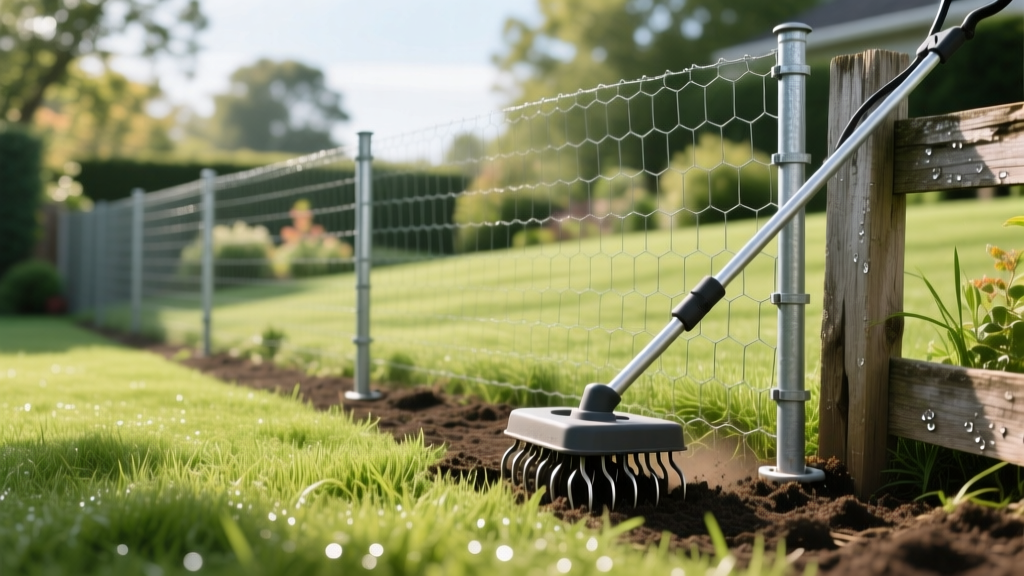
2026 Rabbit Exclusion: Two-Foot Chicken Wire & Core Aeration
Robert HayesPublished
The 2026 IPM Strategy: Combining Core Aeration and Physical Exclusion
As we move through the 2026 growing season, integrated pest management (IPM) continues to evolve, emphasizing the synchronization of lawn care practices with physical pest deterrents. For homeowners battling cottontail rabbits, the standard solution has long been physical exclusion. However, installing a barrier without considering your soil's structural health is a recipe for failure. This is where the cultural practice of core aeration intersects directly with mechanical rabbit exclusion.
Core aeration—the process of mechanically removing small plugs of thatch and soil from the lawn—is essential for relieving soil compaction, improving oxygen flow to grassroots, and promoting deep, drought-resistant turf. But aeration also temporarily alters the physical state of your soil, making it softer and easier for burrowing pests to exploit. In this comprehensive 2026 guide, we will explore how to properly install a two-foot chicken wire fence for rabbit exclusion while perfectly timing your core aeration schedule to ensure an impenetrable, long-lasting barrier.
Why Rabbits Target Your Yard (and How Aeration Starves Them)
Rabbits are opportunistic foragers. According to the Penn State Extension, rabbits prefer tender, new growth, particularly broadleaf weeds, clover, and young grass shoots. A neglected, compacted lawn often suffers from thin turfgrass, which allows invasive weeds and clover to thrive. This creates an all-you-can-eat buffet for local rabbit populations.
By committing to a rigorous core aeration schedule in 2026, you are engaging in the first line of IPM defense: habitat modification. Aerated soil supports dense, aggressive turfgrass root systems that naturally choke out the broadleaf weeds and clovers that rabbits rely on for sustenance. When your lawn is thick and healthy, rabbits are forced to forage elsewhere. However, because rabbits are creatures of habit, a previously established territory requires a physical barrier to break their foraging cycle while your newly aerated turf establishes itself.
The Soil Mechanics: Why Aeration Timing Dictates Fence Success
The most common mistake homeowners make when installing a rabbit fence is failing to account for soil density. Rabbits are not aggressive diggers like groundhogs; they are opportunistic scrapers. They will look for the path of least resistance to bypass a fence, usually by digging a shallow depression directly beneath the wire.
If you install a two-foot chicken wire fence immediately after core aeration, you are inadvertently providing the perfect digging conditions. The soil is loose, the thatch layer is disrupted, and the ground is highly workable. A rabbit can easily scrape away the freshly aerated topsoil and slip under your barrier. Therefore, synchronizing your aeration schedule with your fence trenching is the most critical step in 2026 rabbit exclusion.
Essential Materials for a Two-Foot Chicken Wire Fence
To build an effective barrier that complements your lawn care regimen, you must use the correct materials. The UC Statewide IPM Program consistently recommends specific dimensions for rabbit exclusion to prevent both jumping and digging.
- Wire Mesh: 20-gauge galvanized chicken wire with a maximum 1-inch hexagonal mesh. Do not use 2-inch mesh, as young rabbits in the spring of 2026 can easily squeeze through larger gaps.
- Height: A two-foot (24-inch) width is mandatory. Rabbits rarely jump higher than two feet when foraging, but the extra height accounts for winter snow accumulation and prevents them from reaching over the top to pull down tender shoots.
- Support Posts: 3-foot galvanized steel T-posts or treated wooden stakes, spaced no more than 4 to 5 feet apart to prevent the wire from sagging under wind load or animal pressure.
- Trenching Tool: A manual half-moon lawn edger or a motorized trencher, depending on the size of your garden perimeter.
- Fasteners: Heavy-duty UV-resistant zip ties or galvanized fence staples (if using wooden stakes).
Step-by-Step Installation Synchronized with Aeration
To achieve a seamless integration of lawn health and pest control, follow this precise installation timeline.
Step 1: Execute Core Aeration (Weeks 1-2)
Perform your core aeration in the early spring or early fall, depending on whether you have cool-season or warm-season grass. Leave the extracted soil plugs on the lawn to decompose naturally; they contain beneficial microbes that will help break down thatch. Water the lawn deeply immediately after aeration to encourage the surrounding soil to collapse and settle into the empty holes.
Step 2: Allow for Soil Settlement (Weeks 3-4)
Wait a minimum of 14 to 21 days post-aeration. During this window, regular lawn irrigation and natural rainfall will cause the loose soil to compact slightly, returning the earth to a firm state that is highly resistant to rabbit scratching. This settlement period is non-negotiable for a secure fence line.
Step 3: Trenching the Perimeter (Week 5)
Using your half-moon edger, cut a narrow trench exactly 6 inches deep along the entire perimeter of the area you wish to protect. Because the soil has settled post-aeration, the trench walls will remain intact and firm, rather than crumbling as they would in freshly aerated earth.
Step 4: Wire Placement and the 'L-Flange' Technique
Unroll your two-foot chicken wire. Bury the bottom 6 inches of the wire directly into the trench. Crucially, bend the bottom 6 inches of the buried wire outward, away from the garden, forming an 'L' shape (an L-flange) that extends horizontally underground. If a rabbit attempts to dig at the base of the fence, their paws will hit the horizontal wire flange, stopping them in their tracks. Backfill the trench with the firm soil you removed, tamping it down tightly with your boot.
Step 5: Securing the Above-Ground Barrier
Attach the remaining 18 inches of wire to your T-posts or wooden stakes. Ensure the wire is pulled taut. The bottom edge must be flush with the settled soil grade; even a half-inch gap will invite an investigative rabbit to push its way underneath.
Timing Matrix: Synchronizing Lawn Care and Pest Control
The following table illustrates the risks and outcomes associated with different installation timelines relative to your 2026 core aeration schedule.
| Installation Timing | Soil State | Rabbit Breach Risk | IPM Outcome |
|---|---|---|---|
| 1-3 Days Post-Aeration | Extremely loose, plug holes open | Critical: Rabbits easily scrape away loose topsoil and breach the trench. | Failure. Fence undermined within days. |
| 7-10 Days Post-Aeration | Partially settled, plugs decomposing | High: Trench walls may crumble; soil still too soft to deter digging. | Poor. Requires frequent maintenance and soil repacking. |
| 14-21 Days Post-Aeration | Firm, settled, turf recovering | Low: Soil density resists rabbit scratching; L-flange holds firmly. | Optimal. Secure barrier, healthy turf root zone. |
| Pre-Aeration (Fence first) | Compacted, difficult to trench | Moderate: Hard to dig a proper 6-inch trench; aeration machines damage fence base. | Suboptimal. Equipment collision risk and shallow burial. |
Long-Term Turf and Pest Management
Once your two-foot chicken wire fence is installed in properly settled, aerated soil, your focus must shift to maintaining the turf density that supports your IPM strategy. In 2026, the best pest control is a lawn so thick that pests simply lose interest.
Continue to aerate your lawn annually, but always plan your fence maintenance checks for the weeks following the soil settlement period. Inspect the perimeter after heavy rains, as water runoff can occasionally wash away backfilled soil, exposing the critical L-flange. If you notice depressions forming near the fence line, use the decomposed organic matter from your latest aeration plugs to pack and seal the gaps.
By viewing core aeration and physical exclusion not as isolated chores, but as interconnected components of a holistic landscape management plan, you ensure that your garden remains a sanctuary for your plants, not a feeding ground for local wildlife. The synergy of dense, aerated turf and a meticulously trenched two-foot chicken wire fence represents the gold standard of modern, chemical-free rabbit exclusion.